
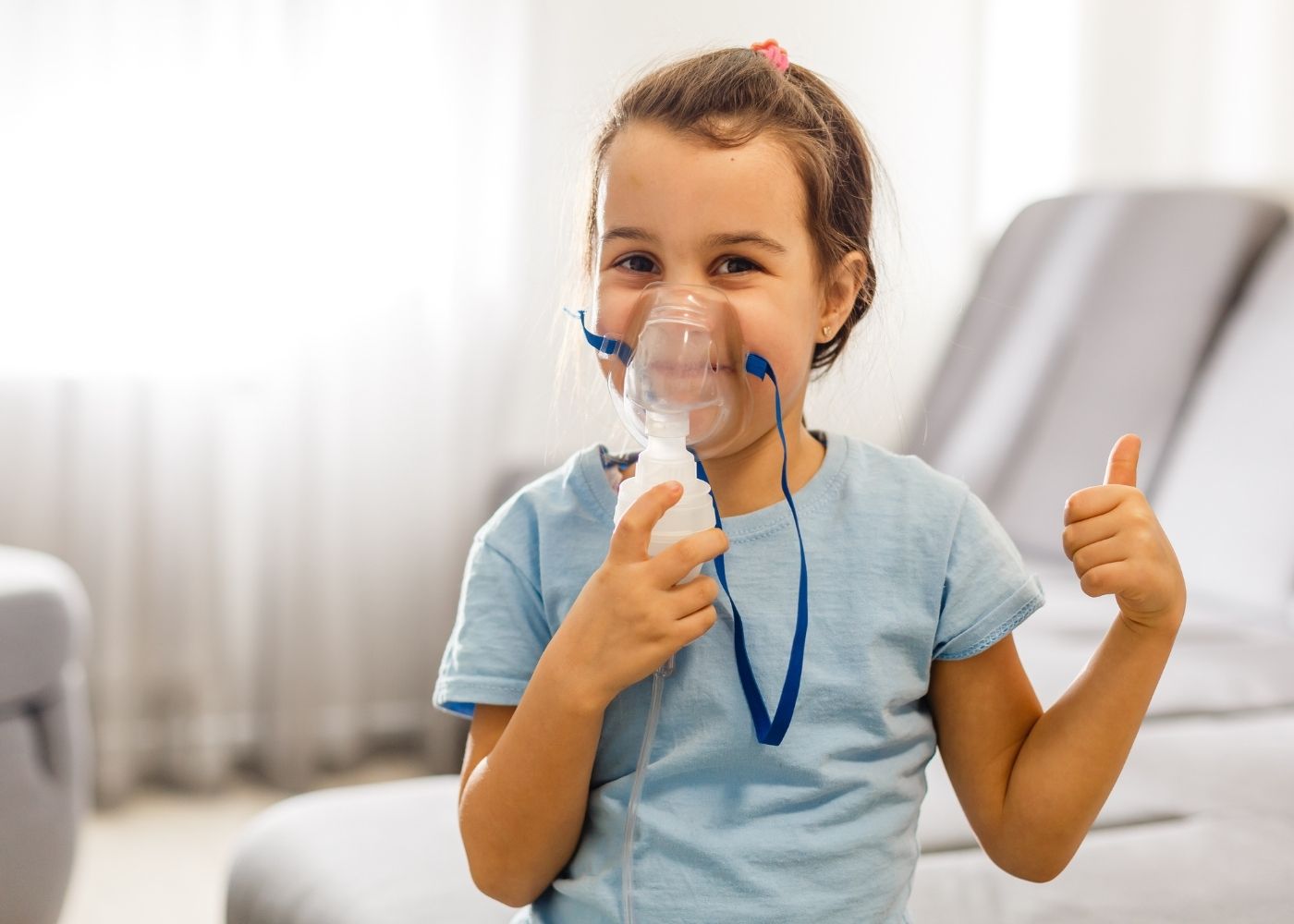
Respiratory syncytial virus (RSV) is a common but potentially serious respiratory illness, particularly in young infants, premature babies, and children with underlying health conditions. During RSV season, which typically runs from fall through early spring months, many parents wonder whether a breathing treatment for RSV is necessary and how to recognize when symptoms are becoming dangerous.
This guide explains how RSV affects the respiratory system, when breathing treatments may help, who is most at risk, how RSV can be prevented, and which warning signs should prompt immediate medical care.
Understanding RSV and the Respiratory Tract
Respiratory syncytial virus (RSV) infects the airways and spreads through respiratory droplets from coughing, sneezing, or close contact. RSV illness can affect either the upper or lower respiratory tract, and the location of the infection often determines symptom severity.
| Feature | Upper Respiratory Tract Infection | Lower Respiratory Tract Infection |
| Areas affected | Nose, throat, sinuses | Bronchioles, lungs |
| Common RSV symptoms | Runny nose, congestion, mild cough, sneezing | Wheezing, rapid breathing, chest retractions |
| Severity | Usually mild | Can be severe or life-threatening |
| Typical patients | Older children, healthy infants | Young infants, preterm infants, high-risk children |
| Treatment approach | Supportive care at home | May require breathing treatment, oxygen, or hospitalization |
Upper vs. Lower Respiratory Tract Infection in RSV becomes more serious when it progresses to lower respiratory tract disease, such as respiratory syncytial virus bronchiolitis or pneumonia. These conditions restrict airflow and interfere with oxygen exchange, leading to difficulty breathing and respiratory distress.
What Is a Breathing Treatment for RSV?
A breathing treatment for RSV does not cure the virus. RSV is a viral infection, and treatment focuses on supportive care while the body fights the illness. Antibiotics are not used unless a secondary bacterial infection, such as an ear infection or lung infection, is present.
Healthcare providers determine whether breathing support is needed based on symptom severity, oxygen saturation, and risk factors such as prematurity, congenital heart disease, chronic lung disease, or cystic fibrosis.
When Breathing Treatments Are Used for RSV
Most RSV infections improve on their own, especially in healthy infants and older children. However, breathing treatments may be needed when RSV causes severe respiratory syncytial virus infection.
Oxygen therapy is one of the most effective treatments for severe RSV disease and is used when oxygen saturation levels drop or breathing becomes labored.
Nebulized or inhaled treatments may be considered in select cases, particularly for children with underlying asthma or reactive airway disease. However, guidance from the American Academy of Pediatrics shows these treatments do not consistently benefit most infants with RSV.
In rare cases of severe illness, children may require advanced respiratory support, including noninvasive ventilation or mechanical ventilation, which is provided in a hospital setting.
Who Is Most at Risk for Severe RSV Illness?
While most RSV infections are mild, some children are at a much higher risk of developing severe respiratory syncytial virus infection that affects the lower respiratory tract. Children most at risk include:
- Young infants, especially those under six months old. Their small airways are easily blocked by inflammation and mucus, with highest risk during a child’s first RSV season.
- Preterm infants and premature babies, whose lungs may not be fully developed, increasing the risk of RSV bronchiolitis and pneumonia.
- Children with congenital heart disease or chronic lung disease, where RSV can quickly worsen breathing and oxygen levels.
- Children with underlying lung conditions, such as cystic fibrosis, who may experience more severe or prolonged RSV illness.
- Children with weakened immune systems, including those with genetic conditions or receiving immune-suppressing treatments.
- Children younger than two years old, particularly during a second RSV season if underlying health conditions are present.
Because children in these groups are more likely to develop complications, prevention and early evaluation are especially important.
How to Prevent RSV: Vaccines and Preventive Care
Preventing RSV is especially important for young infants, high-risk children, and families expecting a baby during RSV season. While RSV cannot always be avoided, new RSV vaccination and immunization options can reduce the risk of severe RSV disease.
RSV Prevention During Pregnancy
A maternal RSV vaccine is available for pregnant women. When given during pregnancy, it helps transfer protective antibodies to the baby before birth, lowering the risk of severe RSV infection during an infant’s first RSV season.
Pregnant women should speak with their healthcare provider about whether the RSV vaccine is appropriate based on timing and individual health factors.
RSV Protection for Infants and Young Children
For infants at increased risk, including preterm infants and those with congenital heart disease or chronic lung disease, a monoclonal antibody injection may be recommended. This is not a traditional vaccine, but it provides immune protection that helps prevent severe RSV illness.
Routine prevention measures, such as handwashing and avoiding close contact with infected children, also play an important role.
RSV Warning Signs Parents Should Watch For
RSV symptoms can worsen quickly, particularly in young infants. Seek medical care promptly if your child shows:
- Trouble breathing or very rapid breathing
- Chest retractions or pulling in around the ribs or neck
- Nasal flaring with each breath
- Persistent wheezing, grunting, or worsening cough
- Poor feeding, dehydration, or extreme fatigue
- Bluish color around the lips or fingertips
- Chest pain or signs of severe respiratory distress
These symptoms may indicate severe RSV disease or progression to a lower respiratory tract infection.
When to See a Healthcare Provider
If RSV symptoms worsen, breathing becomes difficult, or any warning signs appear, it’s important to seek medical care right away. Early evaluation can help determine whether a breathing treatment for RSV is needed and prevent complications from severe illness.
How RSV Is Evaluated and Treated in Urgent Care
When a child is seen for suspected RSV, providers focus on breathing status and overall severity rather than extensive testing.
A physical exam is performed, and vital signs such as respiratory rate and oxygen saturation are monitored using a pulse oximeter. This helps determine whether oxygen or additional support is needed.
Use of Chest X-Rays
Chest X-rays are not routinely required for RSV but may be used when symptoms are severe or when pneumonia or another lung infection is suspected. X-rays can help identify signs of lower respiratory tract disease or complications.
Are CT Scans Used for RSV?
CT scans are rarely used to evaluate RSV in children. Because they involve higher radiation exposure, CT scans are generally avoided unless a serious complication is suspected and cannot be evaluated with a physical exam or chest X-ray. If advanced imaging is needed, children are typically referred to a hospital.
Getting Care for RSV Symptoms: Final Takeaway
A breathing treatment for RSV is not necessary for every child, but it can be critical for those with lower respiratory tract disease or severe respiratory distress. Knowing who is most at risk, understanding prevention options, and recognizing warning signs can help parents make informed decisions during RSV season.
If you’re concerned about your child’s breathing or RSV symptoms, +MEDRITE Urgent Care for RSV offers prompt evaluation by experienced healthcare providers. Appointments are available, and walk-ins are always welcome, making it easier to get timely, same-day care when your child needs it most.