
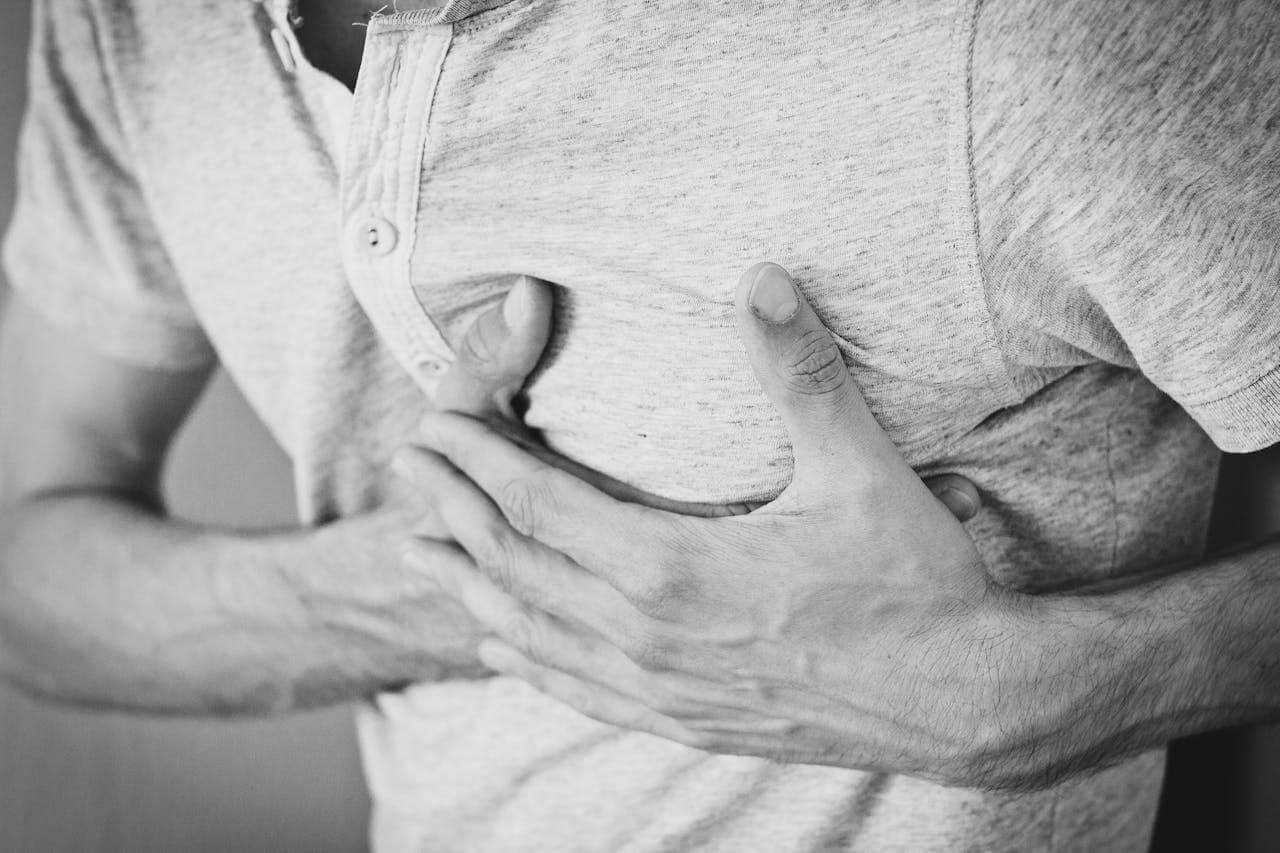
Chest pain is one of the most alarming symptoms a person can experience. Whether it’s a sharp twinge, a burning sensation, or a feeling of tightness, chest pain often triggers concern about serious heart problems. While some causes of chest pain are life-threatening, many are not related to the heart at all.
Understanding what chest pain can mean and knowing when to seek medical help can make a critical difference. Some symptoms need immediate emergency care, while others can be safely evaluated at urgent care for reassurance and treatment.
Chest Pain Isn’t Always a Heart Attack
Chest pain does not always signal a heart attack or heart disease, even though it’s one of the most feared causes. Chest pain can come from many parts of the body, including the heart, lungs, digestive system, muscles, bones, or even stress and anxiety.
How chest pain feels, where it’s located, how long it lasts, and what other symptoms are present all help determine the underlying cause. Pain may be sharp or dull, sudden or gradual, constant or intermittent. It may worsen with movement, deep breathing, or after eating, all of which are important clues for medical providers.
Common Causes of Chest Pain
Chest pain causes range from mild to severe. Below are some of the most common categories and conditions associated with chest pain.
Heart-Related Causes
Heart-related chest pain is often the most serious and requires prompt medical attention. Conditions include coronary artery disease, angina, chest pain, and heart attack (also called myocardial infarction).
Heart-related chest pain may occur when a coronary artery becomes narrowed or blocked, reducing blood flow to the heart muscle. This lack of blood flow can cause chest tightness, pressure, or crushing pain that may spread to the left arm, left hand side, neck, jaw, or upper body. Other heart attack symptoms can include shortness of breath, cold sweats, nausea, rapid heartbeat, and lightheadedness.
Life-threatening conditions, such as aortic dissection, a tear in a major blood vessel, can also cause sudden, severe chest pain that may feel tearing or ripping and requires immediate emergency care.
Lung-Related Causes
Several lung conditions can cause chest pain, especially pain that worsens with deep breaths or coughing. These include pneumonia, chronic obstructive pulmonary disease (COPD), chronic bronchitis, pulmonary hypertension, and lung cancer.
A pulmonary embolism is a particularly serious cause of sudden chest pain. This occurs when a blood clot travels to the lung arteries and blocks blood flow. Chest pain from a pulmonary embolism is often sharp and accompanied by trouble breathing, rapid heartbeat, or coughing.
Digestive Causes
Chest discomfort can also be caused by the digestive system. Gastroesophageal reflux disease (GERD), commonly called acid reflux, is a frequent cause of chest pain that feels like burning or pressure behind the breastbone. This type of pain often occurs after eating, especially fatty foods, or when lying down.
GERD-related chest pain can feel alarming and may mimic heart pain, but it usually improves with antacids or lifestyle adjustments once properly diagnosed.
Muscle, Bone, and Chest Wall Causes
Musculoskeletal pain is a very common cause of chest pain, especially in younger or otherwise healthy individuals. Chest wall pain may result from muscle strain, inflammation, injury, or even a broken rib.
This type of pain is often sharp, localized, and reproducible meaning it hurts when pressed or when moving the arms, torso, or shoulders. Pain that worsens with movement or deep breathing is often musculoskeletal rather than heart-related.
Anxiety and Panic Attacks
Stress, anxiety, and panic attacks can also cause chest pain and chest tightness. Panic-related chest pain may be accompanied by a rapid heartbeat, shortness of breath, sweating, dizziness, or a sudden feeling of fear. While anxiety-related chest pain is not life-threatening, it can feel intense and convincing.
Because panic symptoms can closely resemble heart attack symptoms, medical evaluation is often necessary to rule out serious causes.
Chest Pain Symptoms You Should Never Ignore
Some chest pain symptoms suggest a potentially life-threatening problem and require urgent medical attention:
If you experience these symptoms, call your local emergency number or seek emergency care immediately. |
 |
When to Go to the Emergency Room
Emergency care is the safest choice if chest pain is severe, sudden, worsening, or feels different from anything you’ve experienced before. Chest pain linked to serious conditions such as a heart attack, pulmonary embolism, or aortic dissection should never be ignored and requires immediate evaluation.
In addition to severe chest pain, seek emergency care right away if you experience any of the following symptoms:
- Difficulty breathing or shortness of breath
- Sudden weakness, numbness, or confusion
- Cold sweats or heavy sweating
- Dizziness or fainting
- Nausea or vomiting
- Pain radiating to the neck, jaw, shoulder, or left arm
These signs may indicate a serious cardiac event or another life-threatening condition that requires urgent medical intervention.
If emergency care is needed, it’s important to call 911 or your local emergency number rather than driving yourself to the hospital. Emergency responders can begin life-saving treatment immediately and ensure faster access to care upon arrival.
Timely medical evaluation can be lifesaving when chest pain is caused by conditions such as a heart attack, pulmonary embolism, or aortic dissection. If you’re unsure but concerned, it’s always better to seek emergency care right away.
When Urgent Care Is the Right Choice for Chest Pain
Not all chest pain requires a visit to the emergency department. Urgent care may be appropriate for:
|

|
Urgent care can evaluate chest pain, rule out concerning causes, and refer you to emergency care if needed.
How Urgent Care Evaluates Chest Pain
At urgent care, providers focus on identifying the cause of chest pain and assessing risk factors such as high blood pressure, heart disease, or family history. Evaluation may include a review of symptoms, vital signs, blood pressure checks, oxygen levels, and a physical exam of the chest, heart, and lungs.
Depending on symptoms, testing such as an EKG or chest imaging may be performed. If signs of a life-threatening condition are found, immediate transfer to an emergency department is arranged.
How Chest Pain Is Treated
Chest pain treatment depends entirely on the underlying cause. Treatment may include medications for acid reflux, pain relief for musculoskeletal pain, breathing treatments for lung conditions, or referral for advanced cardiac care when necessary.
The goal is always safe, timely diagnosis, and appropriate care.
Don’t Ignore Chest Pain. Get Checked
Chest pain can be frightening, but getting evaluated promptly can provide peace of mind and protect your health. Even when symptoms turn out to be non-serious, ruling out dangerous causes is essential.
If you’re experiencing chest discomfort and aren’t sure what it means, +MEDRITE Urgent Care is here to help. Walk-ins are welcome, and appointments are also available, so you can choose the option that works best for you.