
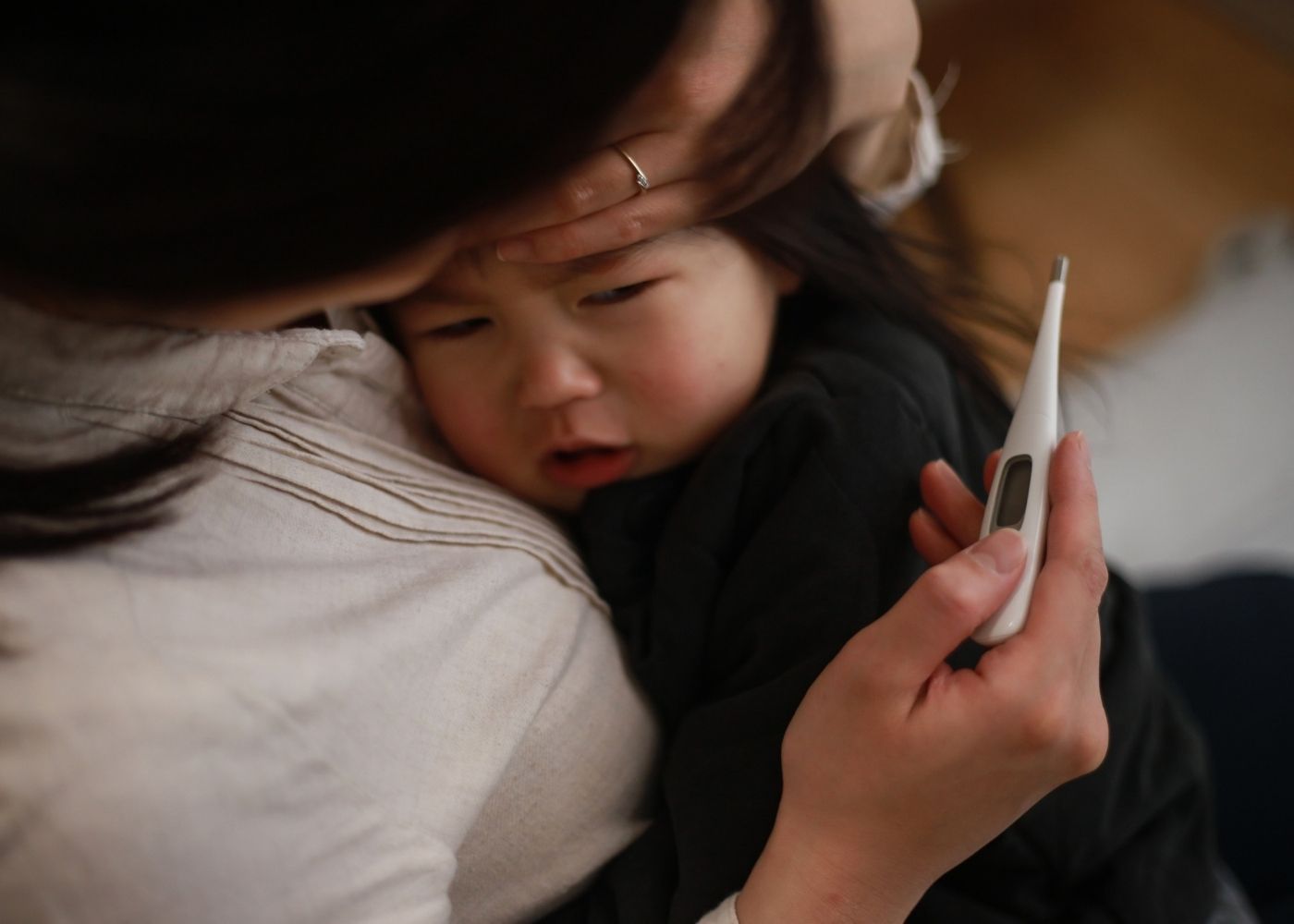
A child’s fever can be stressful for parents. Most fevers are a normal response to illness, but some symptoms or temperature changes may signal something more serious. Knowing what a fever means, how to manage it, and when to seek medical care helps protect your child and bring peace of mind.
What Is Considered a Fever in Children?
A fever means a child’s body temperature is higher than normal, usually because the immune system is responding to an infection. In children, a temperature of 100.4°F (38°C) or higher is considered a fever.
A low-grade fever may cause mild discomfort, while a high or persistent fever needs closer attention. Age, weight, and symptoms matter as much as the temperature.
Common Causes of Fever in Children
Fever most often occurs when the body is trying to fight an infection, but there are several possible causes.
Viral infections, such as colds, flu, or RSV, are the most common cause of fever in children. These often come with a runny nose, cough, or sore throat and usually improve with rest, fluids, and fever medicine.
Bacterial infections can also cause fever and may require medical treatment. Examples include ear infection, strep throat, urinary tract infections, sinus infections, and pneumonia. Bacterial fevers may last longer or be accompanied by localized pain or worsening symptoms.
In rare cases, fever may be linked to serious illness, such as meningitis, which requires immediate medical attention, especially if accompanied by a stiff neck, severe headache, confusion, or sensitivity to light.
Fevers after vaccines are usually mild and brief. Less often, fever can be from overheating, dehydration, or other causes.
Why Symptoms Matter More Than the Number
How your child acts may be more useful than temperature alone when deciding on care. Some tolerate fevers well, others do not.
Watch for increased fussiness, inconsolable crying, decreased appetite, trouble waking, or behavioral changes. Other symptoms, such as vomiting, rash, or difficulty breathing, can also help indicate whether care is needed.
If your child seems extra uncomfortable or not like themselves, seek medical care, even if the fever isn’t high.
At-Home Care Tips Before Heading to Urgent Care
Before going to urgent care, try these steps at home to support comfort and track symptoms.
- Check your child’s temperature accurately using a reliable thermometer.
- Encourage drinking fluids, especially extra fluids, to prevent dehydration.
- Use fever medicine safely, based on your child’s age and weight.
- Dress your child lightly and keep the room comfortable.
- Allow rest while observing how your child responds when awake.
Avoid unsafe methods like rubbing alcohol or cold baths. If symptoms worsen, seek medical care promptly.
Fever Guidelines by Age: When to Seek Care
A child’s age is key in deciding how to respond to fever.
| Newborn (under 3 months) | 100.4°F (38°C) or higher | Evaluated immediately in an emergency department |
| Infant (3–12 months) | 102°F (38.9°C) or higher | Seek urgent care, especially if fever lasts over 24 hours |
| Toddler (1–3 years) | 102–104°F (38.9–40°C) | Seek medical care if symptoms persist or worsen |
| Child (4+ years) | 104°F (40°C) or higher | Prompt medical attention advised |
Regardless of temperature, seek emergency care for symptoms such as severe trouble breathing, uncontrollable shaking, febrile seizures, a sunken or bulging soft spot in infants, or signs of a medical emergency.
When to Seek Urgent Care for a Child’s Fever
Consider urgent care for fever in children if your child has:
- A fever lasting more than two to three days.
- A high fever that does not improve with fever medicine.
- Fever accompanied by sore throat, ear pain, cough, or vomiting.
- Fever that improves but then suddenly worsens.
- Signs of dehydration, such as dry mouth or reduced urination.
- Fever in children with chronic conditions such as sickle cell disease.
Urgent care centers can evaluate your child’s symptoms, determine whether a viral or bacterial infection is present, and recommend the best course of care.
When to Go to the Emergency Room Instead
Some situations require emergency treatment rather than urgent care. Go to the nearest emergency room or seek emergency attention if your child has:
- Difficulty breathing or trouble breathing.
- Severe headache, confusion, or trouble waking.
- Uncontrollable shaking or seizures.
- Fever in infants under three months.
- Signs of a serious illness that need immediate care.
What to Expect at Urgent Care for a Child’s Fever
During an urgent care visit, a provider will review your child’s symptoms, age, weight, and medical history. A physical exam may include checking the ears, throat, and lungs, as well as the overall appearance.
Parents can expect:
- On-site testing for strep throat, flu, RSV, or other illnesses when appropriate.
- Guidance on fever medicine, hydration, and rest.
- Antibiotics are only used if a bacterial infection is suspected or confirmed.
Urgent care is designed to provide timely medical care without the long waits often associated with an emergency room.
Why Choose +MEDRITE Urgent Care for Pediatric Fever
+MEDRITE Urgent Care offers compassionate care for children with fever and related symptoms. Our providers focus on identifying the underlying issue, supporting recovery, and helping parents make informed decisions. Walk-ins are welcome, and appointments are also available for convenience.
Trust Your Instincts as a Parent
A child’s fever can be overwhelming, but parents know their children best. If symptoms worsen or something doesn’t feel right, don’t hesitate to seek medical attention or call your doctor. +MEDRITE Urgent Care is here to help you navigate the next step and ensure your child receives the care they need.