
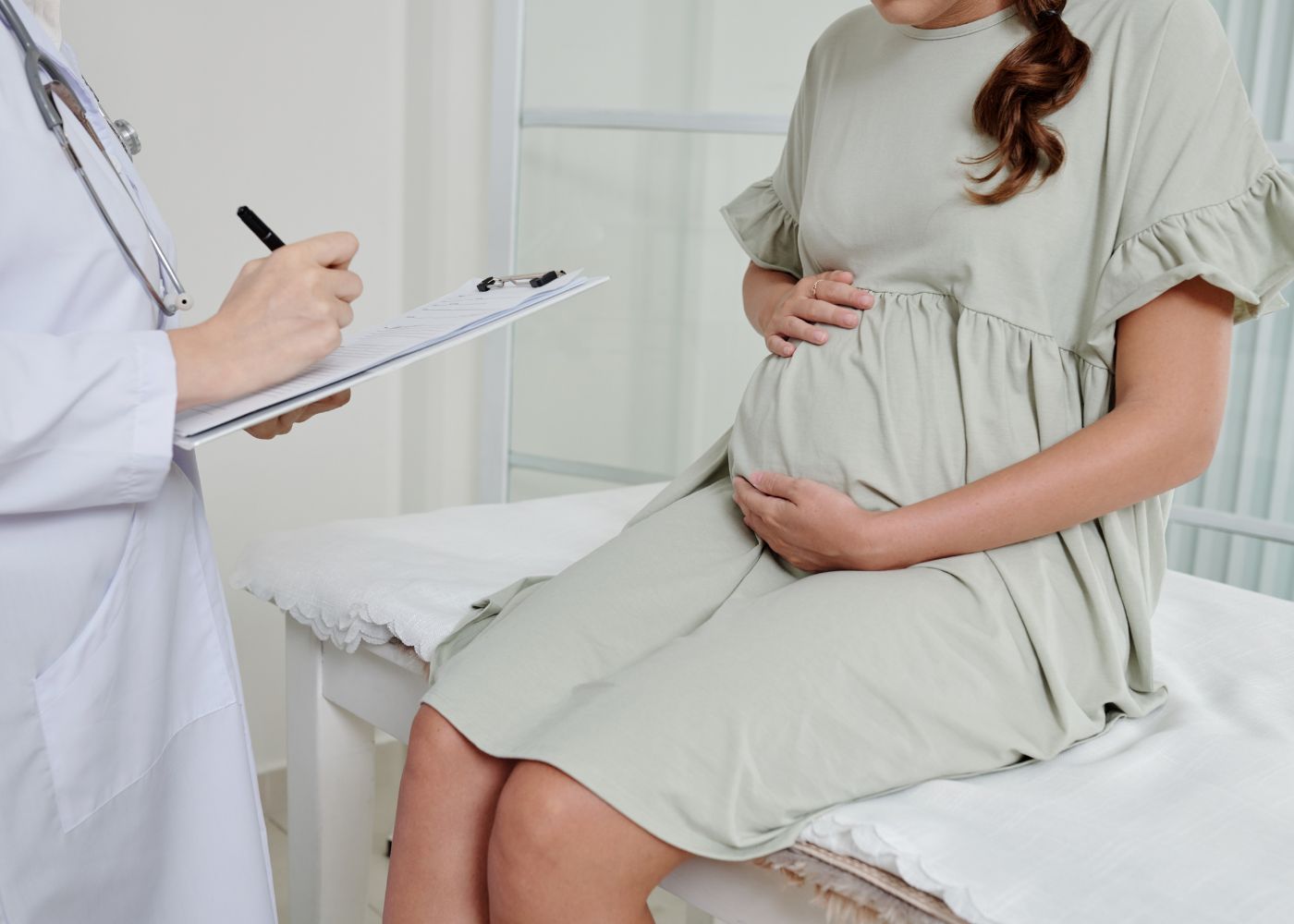
Respiratory syncytial virus (RSV) is a common respiratory virus affecting all ages. While often associated with young children, RSV is also relevant for expectant parents, especially regarding maternal and newborn health.
Most RSV infections during pregnancy are mild and resemble a common cold. Pregnancy naturally heightens concern, so understanding RSV, key symptoms, and when to seek care can reduce anxiety and support decisions.
If you experience severe breathing difficulty, blue lips or face, chest pain, or rapidly worsening symptoms, emergency care is recommended. For less severe but concerning symptoms, a same-day medical evaluation can offer reassurance and guidance.
RSV During Pregnancy: Why It Matters
RSV, or respiratory syncytial virus, spreads easily through respiratory droplets, close contact, and contaminated surfaces. It commonly circulates alongside other respiratory illnesses, making exposure difficult to avoid entirely.
Pregnancy brings natural changes to the immune, respiratory, and cardiovascular systems. These changes are normal and help support a growing pregnancy, but they can also influence how respiratory illnesses feel. While most pregnant women experience RSV as a mild illness, symptoms such as fatigue or shortness of breath may feel more pronounced.
According to guidance from the Centers for Disease Control and other disease control organizations, RSV does not typically cause pregnancy complications or birth defects. However, severe RSV disease, especially when accompanied by high fever, dehydration, or breathing difficulty, should always be evaluated. Seeking care isn’t about alarm; it’s about ensuring both the pregnant person and the pregnancy are well supported.
For same-day evaluation of acute respiratory symptoms, +MEDRITE provides care for acute illness when symptoms feel concerning or do not improve.
Symptoms of RSV While Pregnant
RSV symptoms during pregnancy often overlap with those of other respiratory illnesses, such as colds or flu. Many pregnant individuals may not immediately recognize RSV, especially early on.
Common RSV Symptoms
- Runny or stuffy nose
- Cough
- Sore throat
- Fatigue
- Mild fever
- Muscle aches or body discomfort
For most people, these symptoms remain mild and improve with rest, hydration, and supportive care.
Signs RSV May Be Affecting the Chest
RSV can sometimes move into the lower airways, leading to symptoms that deserve closer attention:
- Worsening or persistent cough.
- Wheezing.
- Shortness of breath or difficulty breathing.
- Chest tightness or chest pain.
If symptoms feel different from a typical cold or worsen rather than improve, a medical evaluation can help determine the next steps.
When to Seek Same-Day Care vs Emergency Care
Same-day urgent care evaluation is appropriate for persistent fever, worsening cough, wheezing, dehydration, or symptoms that interfere with daily activity. Emergency care is recommended for severe trouble breathing, blue lips or face, confusion, or inability to keep fluids down.
If you’re pregnant and unsure whether symptoms need medical attention, being evaluated can provide reassurance and clarity.
What to Expect: RSV by Trimester
While RSV generally behaves similarly throughout pregnancy, care considerations can vary slightly by trimester.
First Trimester
During the first trimester, symptoms such as fatigue, nausea, and congestion may overlap with normal early pregnancy changes. RSV during this stage is typically managed with rest, hydration, and careful fever monitoring. Because medication use during early pregnancy should always be discussed with a healthcare provider, it’s especially important to seek guidance before taking any treatments. Pregnant patients may be particularly cautious during this time due to the critical stages of fetal development occurring in the first trimester, making preventive measures and symptom awareness crucial.
Second Trimester
In the second trimester, many pregnant individuals feel more energetic, which can make it easier to notice when illness is interfering with daily life. RSV symptoms during this stage should still improve gradually. Persistent fever, worsening cough, or breathing discomfort should be evaluated to ensure recovery is progressing as expected. This trimester often allows for more routine prenatal care visits, providing opportunities to discuss respiratory symptoms and to consider preventive strategies, including the timing of maternal vaccination, if applicable.
Third Trimester
During the third trimester, attention often shifts toward protecting the newborn. Respiratory illnesses can feel more uncomfortable due to changes in lung capacity, and prevention becomes especially important. This is also when discussions about maternal RSV vaccination typically occur, as vaccination during late pregnancy allows protective antibodies to pass to the baby before birth. The third trimester is a critical window for maternal vaccination because it maximizes antibody transfer, offering newborns protection during their vulnerable early months. Additionally, RSV exposure during this stage may increase the risk of respiratory complications and preterm labor, emphasizing the importance of early symptom recognition and preventive care.
At any stage of pregnancy, worsening symptoms or concerns about breathing or fever should prompt medical evaluation. It is also important to maintain good hygiene practices, avoid contact with sick individuals, and follow healthcare provider recommendations to prevent RSV exposure and its potential complications.
Breastfeeding and RSV in Pregnant Women
Many expectant parents have questions about how RSV might affect breastfeeding and whether breast milk plays a role in protecting their baby. This is a common and understandable concern, especially during respiratory illness season.
Can You Breastfeed Your Baby While Sick?
In most cases, breastfeeding is encouraged even if you have RSV, as long as basic hygiene precautions are followed. Washing your hands frequently, wearing a mask if you’re coughing, and avoiding coughing or sneezing directly near your baby can help reduce exposure while allowing you to continue providing nutrition.
Continuing to breastfeed while sick can be reassuring for many parents and is generally considered safe when these precautions are in place. If you’re unsure or your symptoms feel severe, a healthcare provider can help guide you based on your individual situation.
Does Breast Milk Help Your Baby’s Immunity?
Breast milk contains immune-supporting components, including antibodies, that help strengthen an infant’s developing immune system. These antibodies do not prevent RSV entirely, and breastfed babies can still get RSV, particularly during times of high circulation.
However, research suggests that breastfed infants may experience milder illness and better overall immune support than those who are not breastfed. Breast milk does not act as a vaccine or guarantee protection against RSV, but it can play a supportive role in how a baby’s body responds if infection occurs.
For this reason, breastfeeding is often viewed as one part of a broader approach to infant health, alongside good hygiene practices, limiting exposure to sick contacts, and following pediatric care recommendations.
Protecting Your Newborn and Household
RSV is a leading cause of respiratory illness in infants, which makes prevention especially important once a baby arrives.
Helpful steps to reduce exposure include:
- Frequent handwashing.
- Cleaning high-touch surfaces.
- Limiting close contact with sick individuals.
- Monitor newborns closely if someone in the household becomes ill.
If a newborn develops symptoms such as poor feeding, rapid breathing, wheezing, or fever, pediatric evaluation is important.
RSV Vaccination and Pregnancy
Prevention options for RSV have expanded significantly in recent years. The maternal RSV immunization is FDA-approved and designed to help protect newborns by allowing the pregnant body to produce RSV antibodies that pass to the baby before birth.
Key points about RSV vaccination:
- Typically given as a single dose during late pregnancy.
- Studied in clinical trials demonstrating safety and effectiveness.
- Shown to reduce the risk of severe RSV illness in infants.
- Different from RSV monoclonal antibody products, which are given directly to babies after birth.
Vaccination decisions should be made with an OB-GYN or healthcare provider, alongside other recommended vaccines during pregnancy, such as the Tdap vaccine. Individual factors such as gestational age, overall health, and risk factors should guide decision-making.
What We Can Do Today
An urgent care visit for RSV symptoms during pregnancy focuses on supportive evaluation and reassurance. Providers assess symptom severity, vital signs, oxygen levels, and lung sounds to determine whether symptoms can be managed at home or need further care.
RSV testing may be available depending on location and clinical need, often using antigen or molecular tests. Testing can help clarify the cause of symptoms when they overlap with other respiratory illnesses.
If additional care or follow-up is needed, providers can coordinate with OB care teams to ensure continuity and support.
Staying Informed and Supported During Pregnancy
Illness during pregnancy can feel overwhelming, especially when thinking about your baby’s health. The reassuring reality is that most RSV infections during pregnancy remain mild, and effective prevention options are now available to reduce risk for newborns.
If you’re pregnant and experiencing respiratory symptoms, +MEDRITE Urgent Care is here to help. Walk-ins are welcome, and appointments are also available, so you can choose the option that feels most comfortable for you.
Frequently Asked Questions About RSV During Pregnancy
What happens if I get RSV while pregnant?
Most pregnant people who get RSV experience mild, cold-like symptoms that improve with rest and supportive care. Pregnancy does not usually make RSV more dangerous, but monitoring symptoms is important. If symptoms worsen or affect breathing, medical evaluation can help guide care.
Is there a chance RSV can cause birth defects?
Current medical evidence shows no strong link between RSV and birth defects. RSV primarily affects the respiratory system and does not typically interfere with fetal development. Any illness that causes a high fever or severe symptoms during pregnancy should still be evaluated.
Can I get the RSV shot while pregnant?
Yes. An FDA-approved maternal RSV vaccine recommended for certain pregnant individuals, typically during late pregnancy. The vaccine helps the body produce protective antibodies that pass to the baby before birth, reducing the risk of severe RSV illness in infants. A healthcare provider can help determine if vaccination is appropriate for you.
Is there an urgent care RSV test?
Urgent care centers may offer RSV testing using antigen or molecular tests, depending on location and clinical need. Testing can be helpful when symptoms overlap with other respiratory illnesses or when results guide care decisions.