
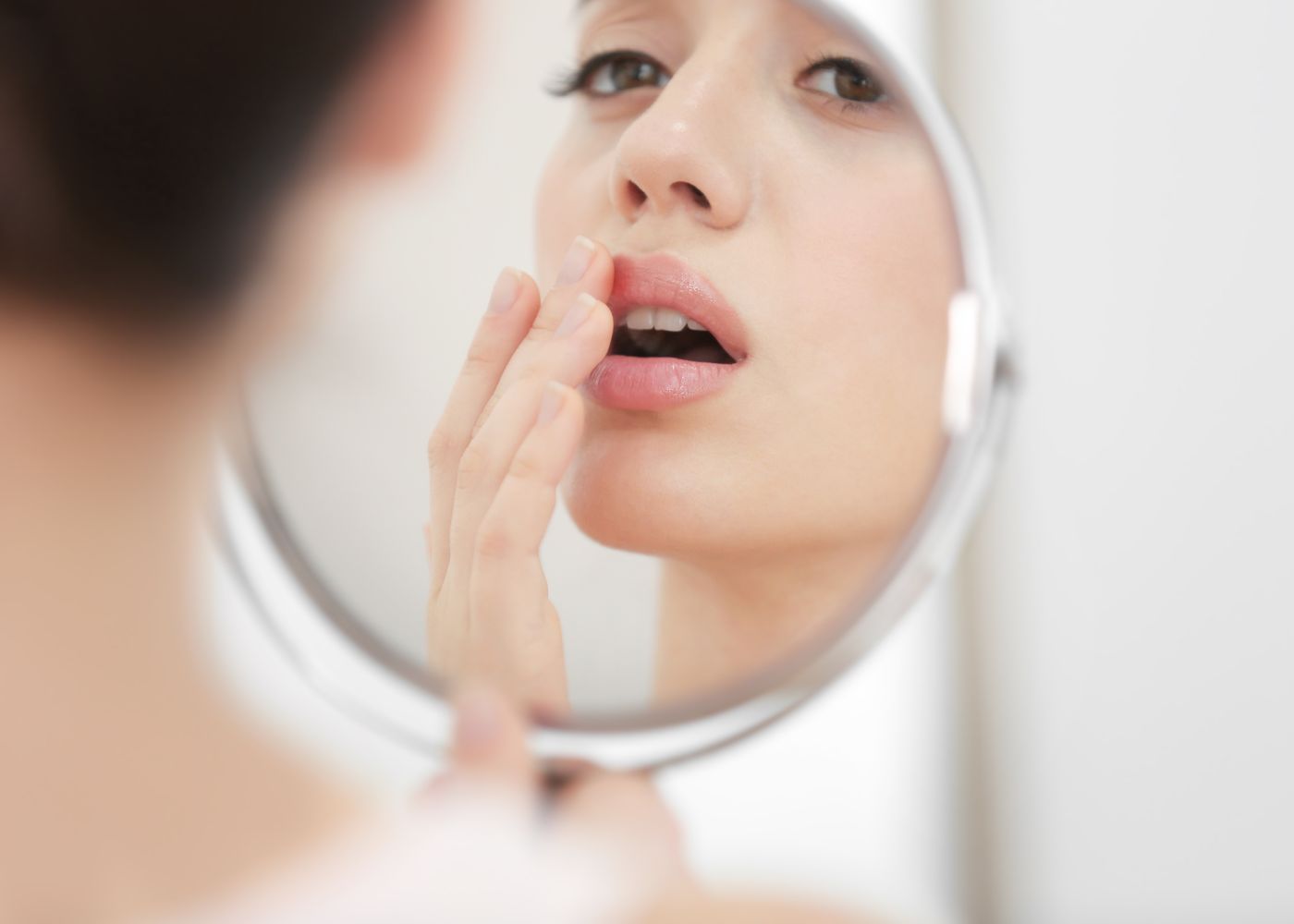
Cold sores (sometimes called fever blisters) are common, and if yours seem to pop up more often in winter, you’re not imagining things. Winter conditions can make your lips drier and more irritated, and seasonal stress or illness can also be a trigger. The good news: most cold sores clear up on their own within about 1–2 weeks, and there are ways to make outbreaks more manageable.
We’ll cover why cold sores can flare in winter, how to spot early warning signs, what helps most (especially in the first 24 to 48 hours), and when it makes sense to visit urgent care.
Quick answer: what to do right now
If you think a cold sore is starting:
- Act early—that first tingling/itching/burning stage is your best window.
- Don’t touch or pick the area. Wash your hands if you do.
- Avoid kissing and sharing items that come into contact with the mouth (lip balm, cups, utensils, straws).
- Consider an OTC option that’s meant to be used at the first sign (not days later).
- If you have severe outbreaks, frequent recurrences, or are unsure it’s a cold sore, a same-day visit can help you confirm what’s going on and discuss treatment options.
+MEDRITE’s walk-in urgent care is designed to be straightforward and stress-free, and many locations offer extended hours.
What cold sores are (and why they come back)
A cold sore is a blister associated with the herpes simplex virus 1 (HSV-1) infection. They most often appear on the lips or the skin around the mouth, but they can also appear on other parts of the face (such as the nose, cheeks, or chin). After the first infection, HSV can remain dormant in nerve cells and reactivate later, so cold sores can recur periodically.
Why are cold sores more common in winter
Cold weather doesn’t “cause” cold sores by itself. HSV does. But winter can stack the odds in favor of a flare.
Common triggers include illness, stress, sun exposure, and trauma/irritation around the mouth. In winter weather, a few of those can show up more often:
- Dry air + indoor heating can lead to irritated or cracked lips (a form of local “trauma”).
- Seasonal illness can put extra stress on a weak immune system.
- Holiday stress and disrupted sleep can trigger cold sore outbreaks in many people.
- Winter sun still counts. UV exposure can be a trigger even when it’s cold out.
Early signs and stages: how to tell a cold sore is coming
Cold sores typically follow a recognizable pattern over one to two weeks.
The early warning stage (prodrome)
Many people feel tingling, itching, pain, or numbness in the spot where a cold sore is about to form. Providers call this the prodromal stage, essentially your “heads up” that HSV is active again.
What happens next
Over the next several days, bumps can form, turn into blisters, ooze, scab, and finally heal.
Why this matters: Treatment works best when you start it as early as possible, ideally at the first symptoms (before the sore is fully developed).
The most important tip: treat early (the first 24–48 hours)
If you want the “what helps fastest” answer, it’s this:
Start antiviral treatment early.
Antiviral medications help speed healing and are most effective when started early in the outbreak window. Cleveland Clinic and the FDA labeling for valacyclovir (Valtrex) emphasize initiating therapy at the earliest symptoms (like tingling/itching/burning) and note that effectiveness after clear clinical lesions develop hasn’t been established.
That doesn’t mean you’re “too late” if you already have a blister. Symptom care still matters, and timing can make a real difference.
At-home care: what helps and what to avoid
Supportive care won’t eliminate the virus, but it can make the outbreak more comfortable and help protect the skin while it heals.
What helps
- Keep the area clean and protected. A simple barrier ointment (like petroleum jelly) can reduce cracking and irritation.
- Use a cool compress for discomfort or swelling.
- Be gentle. Treat the skin like a healing wound.
What to avoid to prevent cold sores
- Picking or popping blisters can delay healing and raise the risk of spreading the virus.
- Sharing lip balm, cups, utensils, or towels during an outbreak.
- Harsh exfoliants or heavily fragranced products that irritate the lip area.
OTC options: set realistic expectations
Over-the-counter products can be useful—especially when started early—but it helps to know what they’re best for.
Docosanol (10% cream)
Docosanol is intended to be used at the first sign of a cold sore (often that “tingle” feeling).
Patches and topical pain relief
Cold sore patches can help by:
- protecting the area from friction and touching,
- reducing irritation,
- supporting a cleaner healing environment.
Topical numbing gels can help with short-term discomfort, though they don’t speed healing on their own.
Prescription options: when urgent care can help
If cold sores are frequent, severe, or especially disruptive, a prescription antiviral may be worth discussing.
Oral antivirals may be prescribed for a first outbreak or severe outbreaks, and daily suppressive therapy may be considered for frequent/severe recurrences.
Valacyclovir is indicated for the treatment of cold sores (herpes labialis), and FDA labeling emphasizes that treatment should start at the earliest symptoms.
At +MEDRITE, a visit can help you:
- confirm whether it’s a cold sore or a look-alike,
- discuss whether prescription treatment makes sense for you,
- get guidance on prevention and reducing spread,
- address complications like suspected secondary infection.
Cold sore vs. canker sore (and other winter lip issues)
It’s common to confuse a cold sore with something else.
Cold sores are caused by HSV and are contagious, while canker sores have different causes, aren’t contagious, and typically occur inside the mouth rather than on the lips/outer mouth area.
If you’re not sure what you’re looking at (especially if it’s your first outbreak), getting it checked can prevent wasted time (and help you treat the right thing).
| Condition | Where it shows up | Hallmark sign | When to get checked |
| Cold sore | Outer lip/around mouth | Tingling → clustered blisters | First outbreak, frequent/severe, not improving, eye symptoms |
| Canker sore | Inside mouth | Shallow ulcer; hurts with foods | Large/persistent sores or frequent recurrence |
| Angular cheilitis | Mouth corners | Corner cracks/splitting | If it keeps returning or won’t heal |
| Impetigo | Around mouth/nose | Honey-colored crust | Same-day evaluation is smart (can spread) |
How to avoid spreading cold sores (especially at home)
Highly contagious, cold sores spread through skin-to-skin contact and saliva, including through kissing and shared items that come into contact with the mouth.
Key point: you can be contagious before the blister appears
Cold sores are contagious from the prodromal stage (when you first feel tingling or other early symptoms) until the sore fully heals.
Practical precautions
- Skip kissing while you have warning signs or an active sore.
- Don’t share drinks, utensils, straws, towels, or lip balm.
- Wash your hands after touching your face.
- Try not to touch the sore at all. This helps reduce spread to others and to other parts of your body.
Tasteful but important: Avoid oral contact and oral sex when you have warning signs or an active sore, because HSV can spread through those routes.
Winter prevention tips that actually help
If winter is your trigger season, a few small habits can go a long way:
- Protect your lips outdoors with a thick barrier balm before heading into the wind/cold.
- Don’t lick your lips (it dries them further and can worsen irritation).
- Consider a humidifier at night if the indoor air is very dry.
- Use lip SPF if you’re outdoors; sun exposure can still be a trigger even in winter.
- Prioritize sleep and stress management when possible (both are common triggers).
FAQs
Why do cold sores flare up in winter?
Winter can bring more dryness and irritation around the lips, as well as increased stress or illness, both common triggers of HSV reactivation.
What’s the earliest sign of a cold sore?
Many people notice tingling, itching, pain, or numbness in one spot before a blister forms (the prodromal stage).
Are cold sores contagious before you see a blister?
Yes. Cold sores can be contagious, starting at the early warning stage (tingling/other symptoms) and remaining contagious until fully healed.
Cold sore vs canker sore: what’s the difference?
Cold sores are caused by HSV and are contagious; canker sores aren’t contagious and usually form inside the mouth.
When to visit urgent care
Consider coming in if any of the following apply:
- It’s your first outbreak.
- You’re not sure if it’s a cold sore or something else.
- The sore hasn’t started improving after about 10 days, or it’s very large or very painful.
- You’re immunocompromised, since symptoms can be more severe and take longer to heal.
- You have eye symptoms (pain, redness, light sensitivity, vision changes). Eye involvement needs urgent evaluation.
If you’re coming in for a winter illness that often triggers outbreaks (cold/flu symptoms, infections), +MEDRITE also offers care for acute illness.
To save time, you can schedule appointments online at any of our +MEDRITE urgent care centers! Simply select the “Book Appointment” button at the top of any of our facility pages, then pick the date and time that best suits you!