
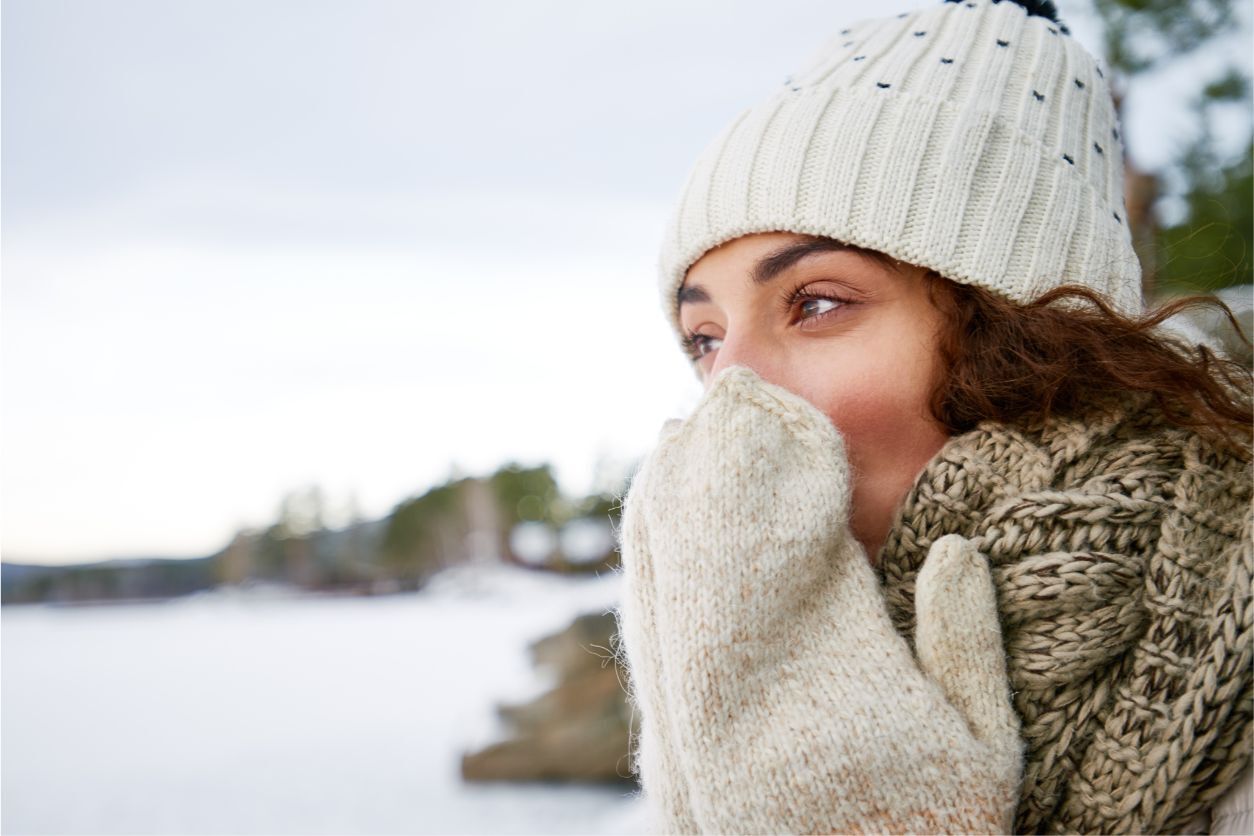
In New York and New Jersey, winter rarely shows up as a single “snow day.” It’s more often a week of freeze-thaw cycles, slushy sidewalks that refreeze into black ice overnight, and windy coastal cold that cuts through layers on the walk from the train platform to the office. Add a nor’easter or an overnight hard freeze, and everyday routines can turn into real safety risks.
This winter preparedness checklist is built for the Tri-state area reality: apartment living and space heaters, sidewalk salt and stairwell slips, transit/commuter rail delays, and the kind of cold temperatures that make “just 10 minutes outside” longer than you planned.
Quick Winter Season Preparedness Checklist
Before leaving home
- Check the forecast and wind chill (wind can make cold conditions more dangerous than the temperature alone).
- Dress in layers: base layer + insulating layer + wind/water-resistant outer layer.
- Cover exposed skin: hat, scarf/neck gaiter, gloves/mittens, warm socks, insulated footwear.
- Pack a “get-dry fast” item: extra socks (and gloves if you’ll be outside).
- Plan warm-up breaks if you’ll be outdoors (commuter platform waits, dog walks, shoveling).
- Avoid alcohol before or during cold exposure (it can increase risk by impairing judgment and affecting heat loss).
At-home preparation tips
- Charge phones + power banks; keep flashlights and spare batteries accessible.
- Stock basics for a few days: water, shelf-stable food, and needed supplies.
- Keep warm items ready: blankets, extra layers, hand warmers if you have them.
- Check smoke and carbon monoxide (CO) alarms (battery and function).
- Review safe heating rules (no grills/camp stoves indoors; follow heater manufacturer instructions).
Generator & heating safety (if applicable)
- Never run generators inside a home, basement, or garage.
- Keep generators at least 20 feet from doors/windows/vents.
- If anyone develops headache, dizziness, nausea, confusion, or weakness during an outage, get fresh air and seek medical help (possible CO exposure).
Commuting (NYC + North Jersey)
- Assume delays: pack an extra layer, gloves, and a phone charger for platform waits.
- Keep footwear dry when possible; change wet socks ASAP to reduce heat loss.
- If you’re outside in wind and cold for extended periods, take warm-up breaks.
Driving (Turnpike/Parkways/bridges/overpasses)
- Keep your gas tank above half when storms are forecast.
- Pack a small car emergency supply kit: blanket, flashlight, charger, gloves/hat, snacks/water.
- Check official road/travel updates before heading out (NYSDOT winter driving guidance; NJ OEM updates).
- Watch for black ice, especially after sunset and on bridges/overpasses.
Know the red flags (hypothermia warning signs)
- Watch for: shivering, confusion, slurred speech, clumsiness, unusual sleepiness. Call 911 / go to the ER if someone is confused, very drowsy, unconscious, breathing slowly, or if symptoms are worsening.
What hypothermia is (and why it matters)
Hypothermia happens when your body loses heat faster than it can produce it and your core temperature drops below 95°F (35°C). It can become life-threatening if it worsens or isn’t addressed quickly.
The tricky part: hypothermia isn’t only a “blizzard” problem. It can happen during prolonged outdoor exposure, from getting wet in the cold, or after being stranded in a car… especially when wind and damp conditions are present.
Cold exposure becomes dangerous when your body can’t retain heat. In freezing temperatures, your body works harder to maintain your core temperature, and prolonged exposure to cold air can drop your temperature faster than you expect. Especially when you’re wet or in the wind.
Hypothermia is sometimes confused with frostbite, but they’re not the same thing. Frostbite and hypothermia can happen at the same time: frostbite affects skin and underlying tissue (often fingers, toes, ears, and nose), while hypothermia affects your entire body. If your skin is numb, pale, or painful after being outside, that’s a reason to take cold exposure seriously.
The biggest concern is a dangerously low body temperature, which can be harder to recognize early in the winter because people may assume they’re just “really cold.” If you’ve been outside longer than planned, got wet, or were stranded in a cold car, don’t shrug off symptoms—warming up and getting help quickly can make a difference.
Extremely Cold Weather
Awareness
Extreme cold weather isn’t just about what the thermometer says. It’s about how fast your body loses heat under real-world conditions. Extremely cold temperatures are dangerous on their own, but wind chill can make conditions feel even harsher and increase the risk of cold-related injuries faster than people expect.
This is why advisories matter. A winter storm warning or blizzard warning isn’t just a travel inconvenience. It’s a signal that exposure risk rises, as wind, reduced visibility, and heavy snow can lead to longer-than-planned outdoor time (commuting delays, stalled traffic, digging out, or waiting for help).
Also, watch for wet conditions. Slush, sleet, and damp gloves/socks can accelerate heat loss, making cold exposure a greater health risk, even if you weren’t planning to spend much time outside.
Who’s at higher risk?Add these people to your “check-in” list when temperatures drop:
|
 |
Check local weather
A simple habit that prevents a lot of winter problems: check the local weather before you head out. In NY and NJ, conditions can change quickly. Sunny in the morning, then slick sidewalks and bitter wind by late afternoon. Checking winter weather updates helps you plan layers, warm-up breaks, and safer timing for errands or commuting.
Do a quick check:
- Before commuting (especially if you’ll be waiting on an outdoor platform or bus stop)
- Before shoveling (so you’re not caught outside during a sudden drop in temperature or increasing wind)
- Before leaving kids or pets outdoors (even “a few minutes” can become longer than expected)
- Before driving (bridges, overpasses, and ramps can ice over first)
If there’s a winter storm watch, treat it as your reminder to prep early. Charge devices, pull out extra blankets, and make sure you have what you need before roads and schedules get messy.
Warning signs to watch for
If you’re using this as a family checklist, treat this section as your “early detection” tool.
Common signs and symptoms may include:
- Shivering (often early; may lessen as hypothermia worsens)
- Confusion, slurred speech, unusual sleepiness
- Clumsiness or poor coordination
- Cold, pale skin; exhaustion
Call 911 or go to the ER immediately if someone is confused, very drowsy, unconscious, breathing slowly, or if symptoms are worsening. First-aid guidance generally recommends urgent medical attention for suspected hypothermia.
What to do right away if you suspect hypothermia
These are practical, safety-focused steps while you’re arranging medical help:
Do
- Move indoors or into shelter as soon as possible.
- Remove wet clothing and replace with dry layers.
- Warm the person gently and gradually (blankets, warm room temperature).
- Handle gently: avoid unnecessary movement.
Don’t
- Don’t rub or massage the person vigorously.
- Don’t use alcohol to “warm up.” (It can increase heat loss and impair judgment, especially risky in cold conditions.)
- Don’t use a hot bath as a first step for suspected hypothermia (rapid rewarming can be unsafe; follow first-aid guidance and seek medical help).
Winter preparedness checklist by scenario
Use the table below to make sure you’re covered in the places where winter problems actually happen: at home, on the road, and during cleanup.
| Scenario | What to prepare | Why it helps |
| Home (before the storm) | Flashlights + batteries, blankets, shelf-stable food, a few days of water, charged power banks, radio if available | Power outages and travel disruptions can cut off heat and supplies. |
| Home (heating safety) | Working CO alarms; safe generator plan; never use grills/camp stoves indoors; keep generators far from doors/windows | Prevents carbon monoxide poisoning from exposure during outages. |
| Going outdoors | Layered clothing, hat, gloves/mittens, scarf/face covering, insulated footwear; extra dry layer in bag/car | Staying dry + covered reduces heat loss and exposure risk. |
| Car travel | Gas above half, blanket, flashlight, phone charger, snacks/water, warm gloves/hat, small shovel/ice scraper (if relevant) | Helps if roads close, you get stuck, or delays occur. |
| After the storm | Salt/sand for walkways, sturdy footwear, plan for slower cleanup, take breaks | Reduces slips/falls and overexertion risk. |
Generator and heating safety (don’t skip this)
Winter storms can knock out power, and that’s when carbon monoxide (CO) injuries spike. CO is odorless and colorless, so people often don’t realize they’re being exposed.Key cold-weather safety tips for outages:
- Never run a generator inside your home, basement, garage, or near windows/doors.
- Place generators at least 20 feet from windows, doors, and vents.
- Install a battery-operated CO detector (or ensure CO alarms are working).
- Use heavy-duty, outdoor-rated extension cords and keep equipment dry.
If you develop headache, dizziness, nausea, confusion, or weakness during an outage, especially if multiple people feel sick in the same space, treat it seriously and get to fresh air and medical help. CO safety agencies emphasize alarms and proper ventilation because exposures can escalate quickly.
Along with generator safety, a little prep goes a long way in keeping your home warm during a cold snap or outage.
- Start with your heating system. If temperatures are expected to drop, it helps to have your heating system checked ahead of time so you’re not troubleshooting when the weather is at its worst. Even small improvements like replacing filters and making sure vents aren’t blocked can help your system run more efficiently.
- Drafts matter more than people think. Weather stripping around doors and windows can reduce heat loss and help maintain a safer indoor temperature. If your home feels noticeably colder near windows, consider closing curtains at night to reduce heat loss and keep living areas warmer.
- Plan for frozen pipes, which are common during prolonged cold. If you live in an older building or a home with exposed plumbing, keep a slow drip if advised locally, open cabinet doors under sinks on exterior walls, and know where your shutoff valve is basic steps that can prevent a bigger emergency during a storm.
- For food safety during an outage, keep refrigerators closed as much as possible. Repeatedly opening the door releases cold air and makes it harder to maintain safe temperatures.
- Keep an emergency kit within reach in the dark. Include a first-aid kit, extra batteries, flashlights, and a few days’ worth of non-perishable food and water, especially if you’re caring for kids or older adults.
Don’t underestimate wind chill and exposure time
Wind chill can make cold conditions more dangerous than the thermometer suggests. The National Weather Service’s wind chill guidance includes timeframes for frostbite risk based on temperature and wind speed.
- If it’s windy and below freezing, limit time outdoors, keep skin covered, and take warm-up breaks.
- If you can’t keep clothing dry (snow, sleet, wet socks/gloves), change quickly.
Snow shoveling and cleanup: pace yourself
Cold weather puts extra strain on the body, and overexertion (like rushing to shovel snow) increases the risk, especially for people with underlying heart or blood pressure concerns. CDC winter storm guidance recommends avoiding overexertion and watching for cold-related health problems during cleanup.
Cold-front cleanup tips:
- Shovel in short intervals; take frequent breaks.
- Push snow when possible instead of lifting heavy loads.
- Stay hydrated and avoid alcohol during/after outdoor work.
- Wear footwear with traction to reduce slips.
Exposure management: clothing, time limits, and “staying warm”
A big part of cold safety comes down to managing exposure; you don’t always control how long you’ll be outside. Delayed trains, slow traffic, and extended shoveling can turn “a quick task” into real time in the cold.
|
 |
- Protect exposed skin whenever possible. Covering your head, neck, hands, and feet is especially important because heat loss accelerates when wind and wet conditions hit uncovered areas. If you’re shoveling, commuting, or walking the dog, it’s worth packing extra clothes (even just a pair of dry socks and gloves) so you can change quickly if you get wet.
- Set time limits for outdoor tasks, especially for kids, older adults, and anyone who spends time outdoors for work. A practical approach is to plan short intervals outside, followed by warm-up breaks indoors. Those breaks aren’t just for comfort. They’re a preventive tactic that reduces the risk that cold exposure quietly escalates into symptoms.
Stay Safe with +MEDRITE
If you’re worried about cold exposure symptoms or need guidance on next steps, visit the +MEDRITE Urgent Care center page closest to you and select “Book Appointment.” You can also walk into any of our centers, just be mindful of the weather for your own safety. If symptoms are severe or worsening, call 911 or go to the nearest emergency room.