
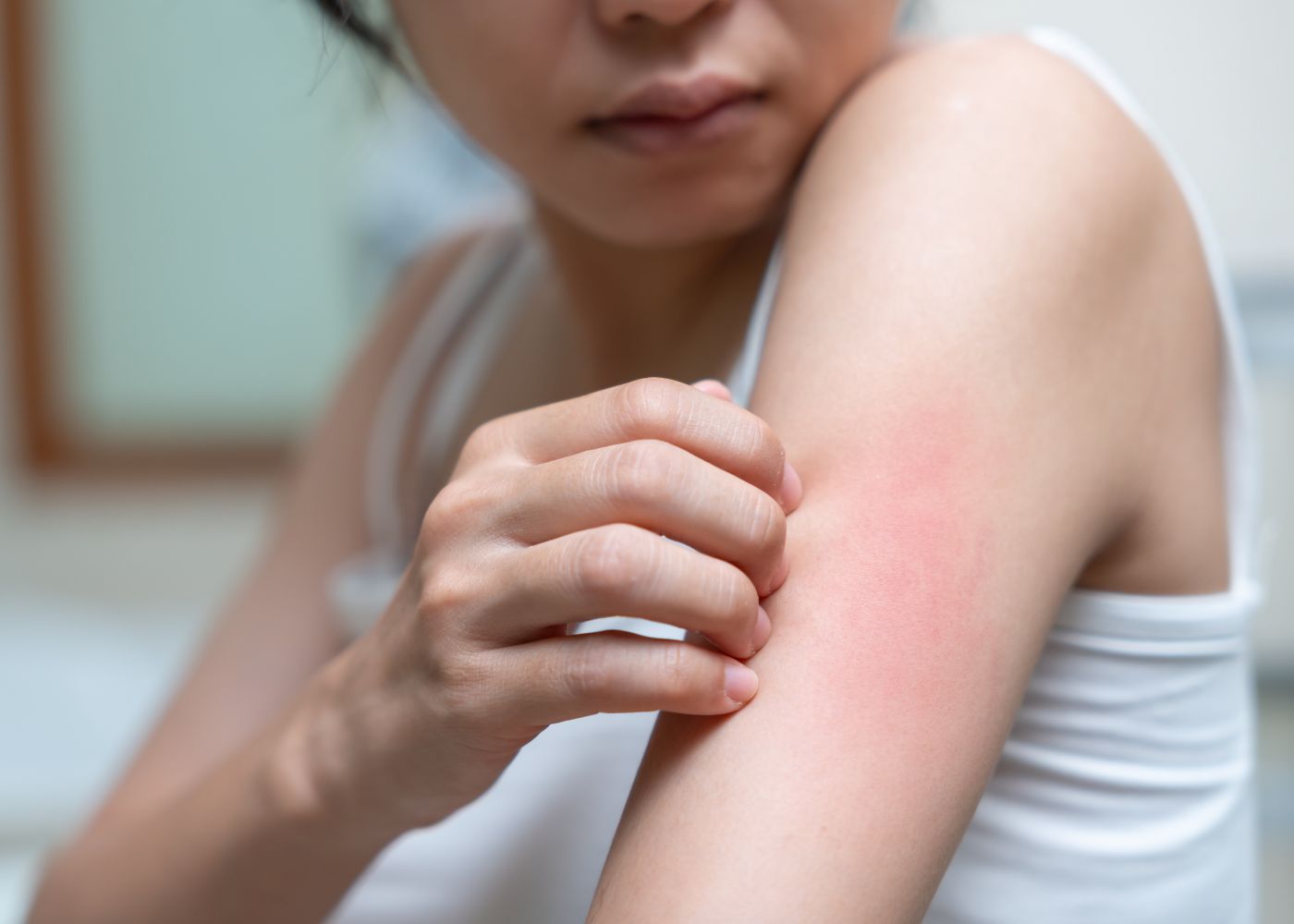
Each year, countless outdoor lovers find their hikes or backyard gardening sessions interrupted by an itchy, irritating surprise: poison ivy. While it may seem minor at first, knowing the stages of poison ivy rash can make a big difference in how quickly and effectively you treat it. Whether you brushed up against leaves while camping or aren’t sure what caused that itchy rash on your arm, recognizing the signs early can help prevent a mild skin reaction from turning into a more painful issue.
At +MEDRITE Urgent Care, our goal is to help you identify, treat, and find relief from poison ivy rash symptoms no matter what stage you’re in. Early attention can prevent discomfort from spreading and speed recovery.
What Are the Stages of a Poison Ivy Rash?
Poison ivy contact develops rashes in distinct stages, starting with subtle irritation and potentially progressing to severe blistering if left untreated. Understanding these phases can help you act fast and seek care before symptoms worsen.
Early Stage Poison Ivy Rash Signs
Itching, Redness, and Skin Irritation
The earliest signs often appear within 12–48 hours of contact and may include:
- Mild itching or tingling in a specific area
- Light pink or red patches on the skin
- General irritation or sensitivity
This stage may not immediately raise concern, but catching it here can prevent further spread and reduce inflammation.
Mild Poison Ivy Rash Stages
Swelling and Small Bumps
As the rash progresses, more noticeable symptoms develop, including:
- Swelling of the affected area
- Small, raised bumps or papules
- Intensified itching
- Localized warmth or tenderness
At this point, many patients seek over-the-counter remedies. However, professional guidance may be needed if the rash expands or becomes more painful.
Advanced Poison Ivy Blister Stages
Oozing Blisters and Crusting
In severe cases, poison ivy reactions can enter a more advanced phase marked by:
- Fluid-filled blisters that may break open
- Yellowish crust or scabbing
- Spreading rash across other body parts
- Significant discomfort or disrupted sleep
This stage requires medical evaluation to rule out infection and manage pain or complications.
+MEDRITE providers are trained to treat even advanced poison ivy blister stages with prompt, effective care, including prescription-strength solutions and symptom relief strategies.
| Stage | Time After Exposure | What You See on the Skin | What It Feels Like |
| Contact / Pre-Rash | 0–24 hours | Skin may look normal at first; sometimes mild pinkness or subtle irritation. | Light tingling or mild itch in the area that touched the plant. |
| Early Rash | 1–3 days | Redness, light pink or red patches, and faint streaks in exposed areas. | Itching becomes more noticeable; skin may feel sensitive or warm. |
| Progressing Rash | 3–7 days | Small raised bumps (papules) that can turn into fluid-filled blisters; rash more defined in lines or clusters. | Intense itching, burning, or stinging; may disrupt sleep and daily activities. |
| Blistering / Advanced Stage | About 1–2 weeks | Blisters may ooze and then form yellowish crusts or scabs; surrounding skin can look red and swollen. | Marked discomfort, tenderness, and persistent itch; skin may feel tight or raw. |
| Crusting / Healing | 7–14 days | Blisters dry out; scabs and crusts fall away. Skin may look dry, flaky, or darker/lighter than usual. | Itching gradually eases; area may feel tight or slightly sore. |
| Late Healing / Aftercare | 2–3+ weeks | Most rash has resolved; mild discoloration or sensitivity can linger for a short time. | Usually minimal discomfort; occasional mild itch or tightness. |
Identifying Related Plant Rashes
While poison ivy is the most well-known culprit, its botanical poisonous plant cousins, poison oak and poison sumac, cause similar skin reactions. Recognizing the differences can help you get the right treatment sooner.
| Feature | Poison Ivy | Poison Oak | Poison Sumac |
| Typical habitat | Wooded, brushy, or grassy areas; along trails and fences | Edges of forests and fields; often a low shrub | Swamps, wetlands, and boggy areas |
| Plant appearance | “Leaves of three”; climbing vine or low shrub | Rounded, oak-like leaves in clumps | Tall shrub or small tree with long rows of leaflets |
| How the rash looks | Red, itchy streaks with small bumps or blisters | Red, itchy patches or clusters of bumps and blisters | Very red, widespread rash with many blisters |
| Onset after contact | Usually 12–72 hours after exposure | Often 1–3 days after exposure | Usually 1–3 days; may feel intense early |
| Typical severity | Mild to severe itching, redness, and swelling | Similar to ivy; can be quite uncomfortable | Often more severe and longer-lasting |
| When to seek care | Rash on face, eyes, genitals; severe blistering; trouble breathing | Same as ivy, or if pain/swelling limits activities | Large, fast-spreading, or very painful rash; breathing or eye issues |
Poison Oak Rash Stages
Poison oak rash stages mirror those of poison ivy, with early symptoms including red, itchy patches that progress to swelling and blistering. The key difference is the plant’s appearance: poison oak has lobed leaves resembling oak tree foliage. The rash often forms in streaks or clusters.
Poison Sumac Rash Stages
Poison sumac is less common but can trigger a more severe rash. It grows in swampy or wet areas, especially in the Southeast. Rash stages start with redness and itching, progressing to painful blisters. Unlike ivy or oak, sumac rashes may cover broader areas and last longer due to the plant’s potent oil.
Poison Ivy vs. Poison Oak Rash
Though both rashes may blister and itch, poison ivy typically grows as a vine with “leaves of three,” while poison oak has more rounded, clustered leaves. A poison ivy rash often looks linear, while poison oak may appear more scattered, like clusters of grapes.
To better protect yourself, read about seasonal spring allergy prevention tips on recognizing environmental triggers.
How the Rash Progresses and Spreads
Understanding the poison ivy rash timeline helps clarify how symptoms develop and how long they may last. It also helps debunk common myths about how the rash spreads.
Poison Ivy Rash Progression Stages
The rash typically begins within 1 to 3 days of exposure. Here’s a general breakdown:
- Days 1–3: Redness and itching appear
- Days 3–7: Bumps evolve into blisters, sometimes oozing
- Days 7–14: Blisters crust over and begin healing
- Weeks 2–3: Skin may remain dry or discolored as it finishes healing
This timeline may vary based on the amount of urushiol (the oil in poison ivy) and the individual’s skin sensitivity.
Poison Ivy Rash Spreading Myths vs. Reality
A common myth is that the fluid from blisters spreads the rash. In reality, poison ivy rash does not spread from blister fluid. The rash appears only where urushiol oil contacts your skin, though scratching can irritate surrounding areas and delay healing.
Other facts:
- You can get new rash spots if urushiol remains on clothing or pet fur.
- Not everyone reacts the same way; some people have delayed responses or milder symptoms.
Poison Ivy Healing Stages Timeline
Healing varies but usually takes between 2 and 3 weeks. Severe cases may last longer or leave temporary discoloration. Medical treatment can help accelerate the process and prevent secondary infections from scratching.
When You Should Seek Poison Ivy Treatment
For many, mild cases can be managed at home, but others require medical attention. If your symptoms continue to worsen, cover a large portion of the body, or involve your eyes, face, or genitals, it’s time to visit a healthcare provider.
Watch for these signs that indicate it’s time to seek care:
- Severe swelling or blistering
- Rapid rash development after initial appearance
- Signs of infection (yellow crust, warmth, or pus)
- Fever or body aches
- Difficulty breathing (especially if smoke from burning plants was inhaled)
Poison ivy rash in children deserves close attention. Young kids may scratch more, increasing the risk of infection. If your child develops a rash after playing outdoors, especially in wooded or overgrown areas, visit +MEDRITE for a fast evaluation and relief.
Remember, early diagnosis and treatment can prevent complications, minimize discomfort, and shorten the healing time.
Effective Home Remedies & Medical Treatments
Treatment depends on the stage of your poison ivy rash, your overall health, and how your body responds to the plant’s oil (urushiol). While home remedies may help early symptoms, more serious reactions should be seen at an urgent care center.
Poison Ivy Rash Home Remedies
Many mild cases improve with basic care:
- Cool compresses to reduce itching and swelling
- Oatmeal or baking soda baths to soothe irritated skin
- Calamine lotion or hydrocortisone cream to calm inflammation
- Antihistamines (like Benadryl) for sleep and itch control
Keep the rash clean, avoid scratching, and wash clothing or gear that may still be contaminated with urushiol.
Over-the-Counter vs Urgent Care Treatments
Over-the-counter treatments are useful, but they aren’t always enough, especially in moderate-to-severe cases. At +MEDRITE, our providers offer fast, effective relief that may include:
- Prescription-strength corticosteroids
- Medicated skin creams
- Oral steroids or antihistamines
- Infection treatment if the rash is open or raw
Poison Ivy Rash Stages Treatment Plans
Treatment often depends on the stage of the rash:
- Early stage: Start with antihistamines, wash the area with soap and water, and monitor symptoms
- Moderate stage: Add topical steroids and avoid irritants
- Advanced stage: Consider prescription medication or in-office care, especially if the rash becomes infected or widespread
Whether you’re managing your own rash or treating poison ivy rash in children, +MEDRITE Urgent Care provides the support you need quickly and compassionately.
Frequently Asked Questions
Is there a shot available for treating poison ivy?
There isn’t a routine “poison ivy shot” that prevents the rash, but for more serious reactions, a medical provider may prescribe oral steroids or give a steroid injection to quickly reduce swelling and itching. These treatments are only used when appropriate after an in-person evaluation, because steroids can have side effects and aren’t right for everyone.
Is poison ivy contagious?
No, poison ivy isn’t contagious. The rash is caused by urushiol oil from the plant, not by fluid from the blisters, so you can’t catch it from someone else’s rash unless the oil is still present on their skin, clothes, or gear.
What’s the difference between a beginning poison ivy rash and an allergic reaction?
A beginning poison ivy rash typically starts with redness and itching in streaks or patches where the plant brushes the skin. Allergic reactions can appear more widespread or irregular and may include hives or facial swelling, especially if caused by food or medication.
How do I identify poison ivy symptoms from bug bites?
Poison ivy rashes develop slowly over hours or days, often appearing in lines or clusters. Bug bites are usually more isolated, circular, and appear quickly, with a central puncture mark or swelling.
Get Relief from Poison Ivy Fast
Recognizing the stages of poison ivy rash early can make a big difference in how you heal. From the first signs of irritation to advanced blistering, timely care can reduce discomfort and help you avoid complications.
Whether you’re hiking in upstate New York, gardening in New Jersey, or enjoying the outdoors in Florida, +MEDRITE Urgent Care is here to help. We provide walk-in evaluations, symptom relief, and treatment plans that get you back on your feet quickly.
Find a MEDRITE location near you and take the first step toward comfort and recovery today.