
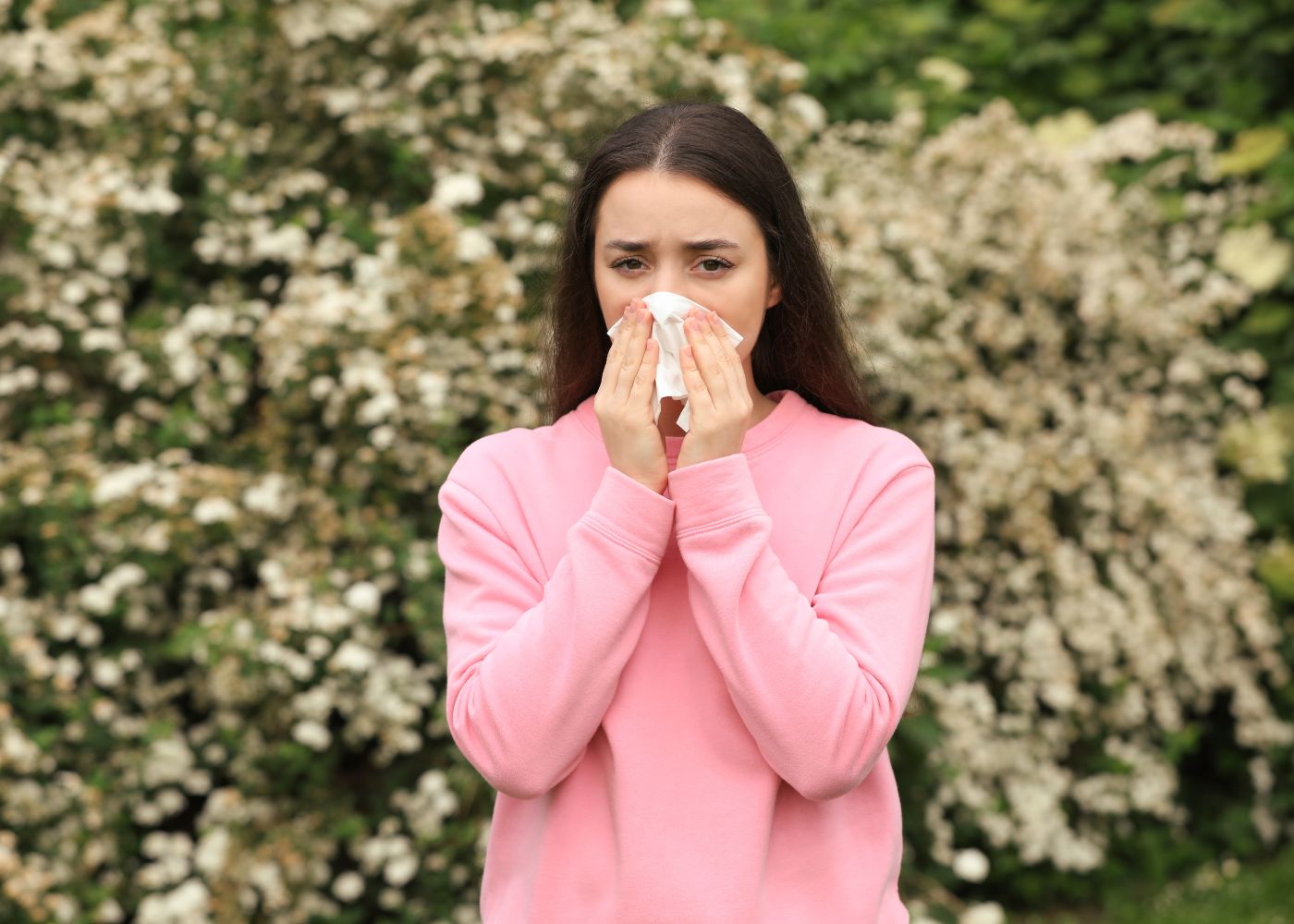
As the air turns crisp and leaves begin to fall, many people look forward to cooler weather until the sneezing, congestion, and itchy eyes start. For millions of Americans, autumn brings not only pumpkin spice and outdoor activities but also fall allergies.
Because early allergy symptoms can mimic a cold, they often go unnoticed until they become disruptive. Recognizing the early signs of fall allergies and acting quickly can help you stay comfortable throughout the season and prevent minor irritation from turning into weeks of discomfort.
What Causes Fall Allergies
Fall allergies occur when your immune system reacts to seasonal allergens that become more prevalent in autumn. The body mistakenly identifies these harmless particles as threats, releasing histamines that cause inflammation in the nose, eyes, and throat.
The most common fall allergy triggers include:
- Ragweed pollen: The leading cause of fall allergies. Just a small amount of ragweed pollen can trigger symptoms, and it can travel miles through the air.
- Mold spores: Damp leaves and outdoor moisture create ideal conditions for mold growth.
- Dust mites: As heating systems turn on after summer, dust and mites that have accumulated throughout the season circulate through the air.
- Pet dander: Spending more time indoors increases exposure to pet allergens.
Even people who have never experienced allergies before can develop them later in life. Environmental changes, increased indoor time, and reduced humidity can all heighten sensitivity during fall.
Recognizing the Early Symptoms
Allergy symptoms often appear gradually. They may start as a mild tickle in the throat or a few sneezes but can escalate quickly if untreated.
Common early signs of fall allergies include:
- Frequent sneezing or a runny nose with clear discharge
- Nasal congestion or postnasal drip
- Itchy, watery, or red eyes
- Scratchy throat or mild cough
- Fatigue caused by poor sleep or sinus pressure
Unlike colds or flu, allergies typically do not cause fever, chills, or body aches. If symptoms appear at the same time each year or worsen after spending time outdoors, allergies are likely to blame.
Allergies vs. Cold or Flu
Because early allergy symptoms can resemble those of viral infections, it can be easy to confuse the two. Allergies usually cause itching, clear nasal discharge, and recurring symptoms that last for weeks or even months.
Colds, on the other hand, produce thicker mucus and may come with a mild fever. The flu is more severe and arrives suddenly, accompanied by body aches, exhaustion, and a high fever.
If you feel generally well but can’t shake the sneezing, runny nose, and itchy eyes, it’s more likely allergies, not a virus.
Managing Fall Allergy Symptoms at Home
Addressing allergy symptoms early prevents them from becoming overwhelming. Over-the-counter (OTC) treatments and small lifestyle changes can make a big difference.
Antihistamines, such as loratadine or cetirizine, can help reduce sneezing and itching. Nasal corticosteroid sprays help relieve congestion, while saline rinses wash away allergens from the nasal passages. Decongestants can offer short-term relief but should not be used for extended periods.
Lifestyle adjustments are equally important. Keep windows closed on high pollen days and use air purifiers or HEPA filters indoors. Shower after spending time outside to remove pollen, and wash bedding weekly in hot water to eliminate dust mites. Avoid smoking, incense, or heavy fragrances that can further irritate your sinuses.
Maintaining hydration, eating a balanced diet, and getting enough rest also support your body’s ability to manage allergic reactions naturally.
When It’s Time to Seek Medical Care
While mild allergies can be managed at home, persistent or severe symptoms may require professional care.
You should visit urgent care if:
- Symptoms last longer than two weeks.
- OTC medications stop working or offer limited relief.
- You experience wheezing, shortness of breath, or chest tightness.
- You develop sinus pain, pressure, or headaches.
- You have ongoing fatigue or difficulty sleeping due to congestion.
Untreated allergies can sometimes lead to sinus infections, ear issues, or worsening asthma. At +MEDRITE Urgent Care, our medical providers can identify the cause of your symptoms, prescribe effective medications, and create a treatment plan that provides lasting relief.
With convenient locations, extended hours, and no need for appointments, it’s easy to get fast allergy care when you need it most.
What Happens if Allergies Are Left Untreated
Ignoring allergy symptoms may seem harmless, but chronic inflammation in your nasal passages can lead to recurring sinus infections and persistent discomfort. Ongoing congestion can also affect sleep quality, leaving you fatigued and foggy throughout the day.
Over time, untreated allergies can worsen asthma or lead to increased sensitivity to new allergens. Seeking care early helps prevent these complications and ensures you can enjoy the season without constant sneezing and congestion.
Preventing Fall Allergies Before They Start
Fall allergies are easier to manage when you start prevention early. Simple actions taken at the beginning of the season can reduce symptom severity later.
- Monitor local pollen forecasts and plan outdoor activities accordingly on low-pollen days.
- Begin taking antihistamines one to two weeks before peak allergy season.
- Replace HVAC filters and clean vents to remove built-up dust and allergens.
- Keep indoor air clean with the help of purifiers or dehumidifiers.
- Rake and dispose of leaves promptly to reduce mold exposure.
These proactive steps can greatly reduce your chances of experiencing moderate or severe fall allergy symptoms.
Finding Relief at +MEDRITE Urgent Care
Fall allergies don’t have to ruin your favorite season. Early recognition and proper management can help you maintain a comfortable, active, and healthy lifestyle.
At +MEDRITE Urgent Care, our experienced providers offer same-day evaluations, prescription allergy treatments, and personalized care to help you breathe easier. Whether you need immediate symptom relief or long-term prevention strategies, we’re here to help without the wait or hassle of scheduling.
Don’t let allergies slow you down. Visit your nearest +MEDRITE Urgent Care today or pre-register online for quick, compassionate, and effective allergy relief.