
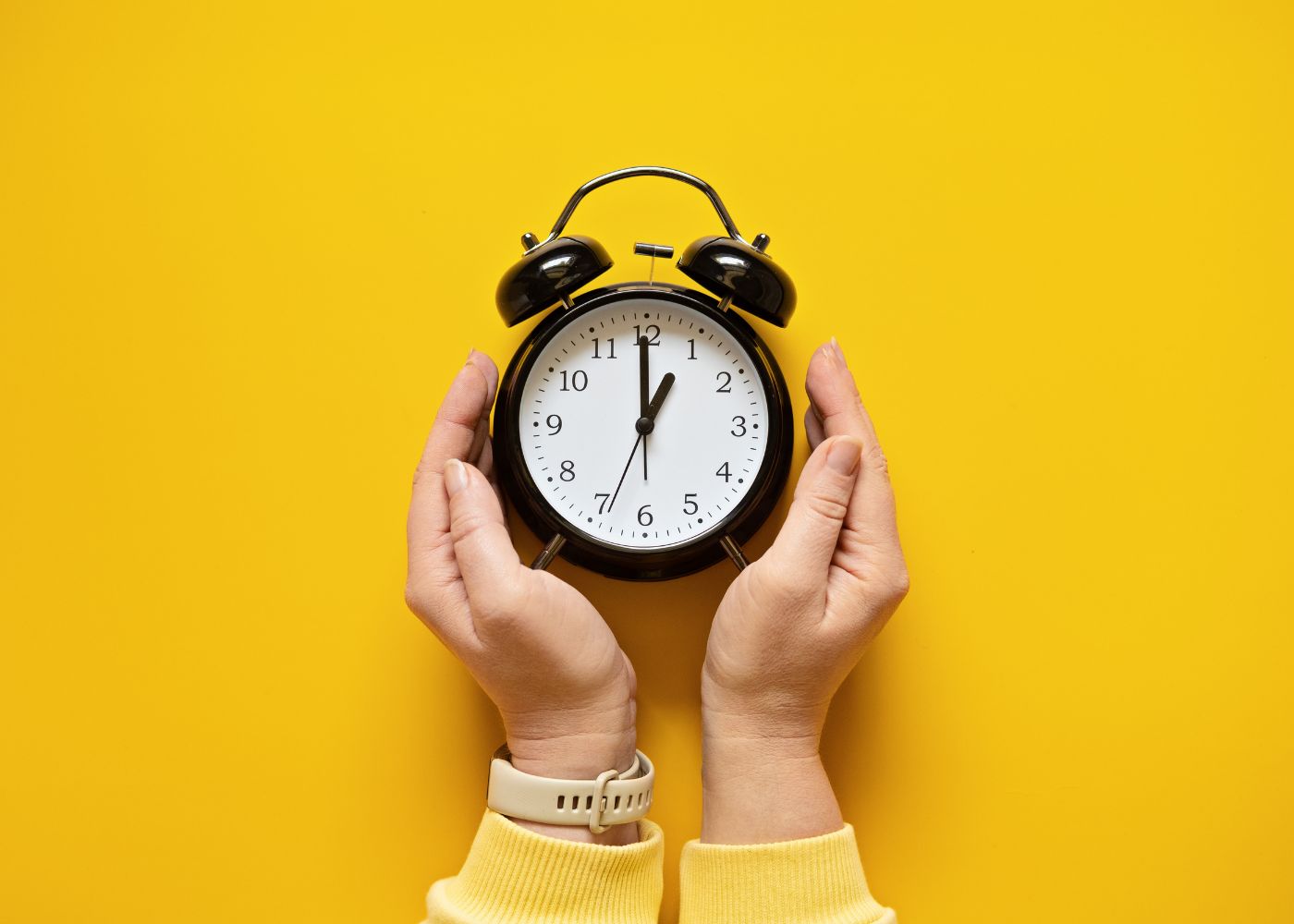
As the clocks spring forward and fall back each year, many people notice more than just a lost or gained hour of sleep. Daylight Saving Time (DST) can affect our physical and mental health, influencing sleep, mood, heart health, and overall well-being. While the time change may seem minor, its effects on the body’s internal systems can be significant.
From disrupted sleep patterns to increased cardiovascular risks, the health effects of daylight saving time extend beyond inconvenience. Understanding how DST affects your body can help you recognize symptoms early and take steps to protect your health during seasonal time changes.
What Is Daylight Saving Time and Why Does It Affect the Body?
Daylight Saving Time shifts the clock forward in the spring and back in the fall to extend evening daylight. While the goal was originally tied to energy conservation, this artificial change in clock time disrupts the body’s natural alignment with light and dark.
Humans follow a circadian rhythm, a roughly 24-hour cycle that regulates sleep, hormone release, body temperature, alertness, and metabolism. This internal clock is strongly influenced by light exposure, especially morning light. When daylight saving time begins, we lose an hour of morning light and gain an hour of evening light, which can confuse the body’s internal clock.
The result is a temporary mismatch between biological rhythms and social clock time, known as circadian misalignment. For some people, especially those sensitive to sleep changes, this misalignment can last days or even weeks.
How Daylight Saving Time Disrupts Circadian Rhythms
Circadian rhythms rely on consistent environmental cues to remain synchronized. Morning light helps reset the internal clock each day, a process called circadian entrainment. When the clocks move forward, that important morning light arrives later, making it harder for the body to wake up naturally.
At the same time, extended evening light delays melatonin production, the hormone that signals it’s time to sleep. This combination can make it difficult to fall asleep at night and harder to wake up in the morning, even if you’re spending enough time in bed.
Short-term circadian disruption can lead to:
- Difficulty falling asleep
- Poor sleep quality
- Daytime sleepiness
- Trouble concentrating
- Feeling “off” or fatigued
Repeated yearly time transitions may contribute to chronic circadian misalignment, which has been linked to long-term health risks affecting the heart, brain, and metabolic systems.
Effects of Daylight Saving Time on Sleep Health
Sleep deprivation is one of the most immediate and noticeable effects of DST. Many people lose sleep in the days following the springtime change, leading to poor sleep duration and disrupted sleep patterns.
Less morning light can reduce serotonin levels, affecting mood and energy, while increased evening light suppresses melatonin. Together, these changes can result in fragmented sleep and difficulty achieving a good night’s rest.
For individuals with existing sleep disorders, such as insomnia or delayed sleep phase disorder, DST can worsen symptoms. Night owls may struggle more than early risers, as their internal clocks are already shifted later.
Mental Health Effects of Daylight Saving Time
Disrupted sleep and circadian rhythms don’t just affect physical energy; they also impact mental health. Poor sleep has been associated with increased stress, irritability, anxiety, and difficulty concentrating.
Daylight saving time can worsen symptoms in people with mood disorders, including depression and seasonal affective disorder (SAD). Some individuals experience heightened emotional sensitivity, brain fog, or feelings of low motivation following the time change.
The fall transition, which brings earlier darkness, can be particularly challenging for those affected by SAD, while the spring transition may feel overwhelming due to sleep loss and increased fatigue.
If mood changes or sleep disturbances persist beyond a couple of weeks, medical guidance can help identify supportive strategies or underlying concerns.
Physical Health Risks Linked to Daylight Saving Time
Research has shown that daylight saving time can influence physical health, particularly cardiovascular health. Studies have found a short-term increase in heart attacks and strokes in the days following the springtime change.
Sleep deprivation and circadian disruption can affect blood pressure regulation, inflammation, and blood flow. Irregular sleep patterns are also associated with metabolic changes, including weight gain and increased risk for diabetes.
DST has additionally been linked to increased rates of workplace injuries, car accidents, and hospital admissions, likely due to fatigue and reduced alertness.
These risks highlight why adjusting carefully to time changes is important, especially for individuals with existing heart disease, high blood pressure, or other chronic health conditions.
Preparing for the Daylight Saving Time Change
Planning ahead can help reduce the impact of daylight saving time on your body. Gradually shifting your sleep schedule in the days leading up to the time change can ease the transition.
Helpful strategies include:
Light exposure plays a critical role in regulating circadian rhythms. Morning sunlight or light therapy can help reinforce your internal clock during the adjustment period. |
 |
Managing the Effects After the Time Change
Once daylight saving time begins, maintaining consistency is key. Sticking to a regular sleep schedule helps the body adapt more quickly.
Additional tips include avoiding caffeine and heavy meals close to bedtime, limiting screen use in the evening, and creating a relaxing pre-sleep routine. Blue light from phones and computers can delay melatonin release, making sleep more difficult.
For those experiencing ongoing sleep issues, consulting a healthcare provider or sleep specialist may be beneficial. Sleep medicine and behavioral strategies can support better sleep quality and long-term health.
How +MEDRITE Can Help
At +MEDRITE Urgent Care, we understand that seasonal time changes can affect sleep, energy levels, and overall health. If you’re experiencing persistent fatigue, difficulty sleeping, mood changes, or physical symptoms after the time change, a medical evaluation can help determine the best course of action.
Our care teams can assist with:
- Blood pressure monitoring and cardiovascular screenings
- Evaluation of sleep-related concerns
- General health assessments during seasonal transitions
If Daylight Saving Time is taking a toll on your health, visit your nearest +MEDRITE location. Walk-ins are always welcome, and appointments are also available for added convenience. Our goal is to help you feel rested, balanced, and supported no matter the season.