
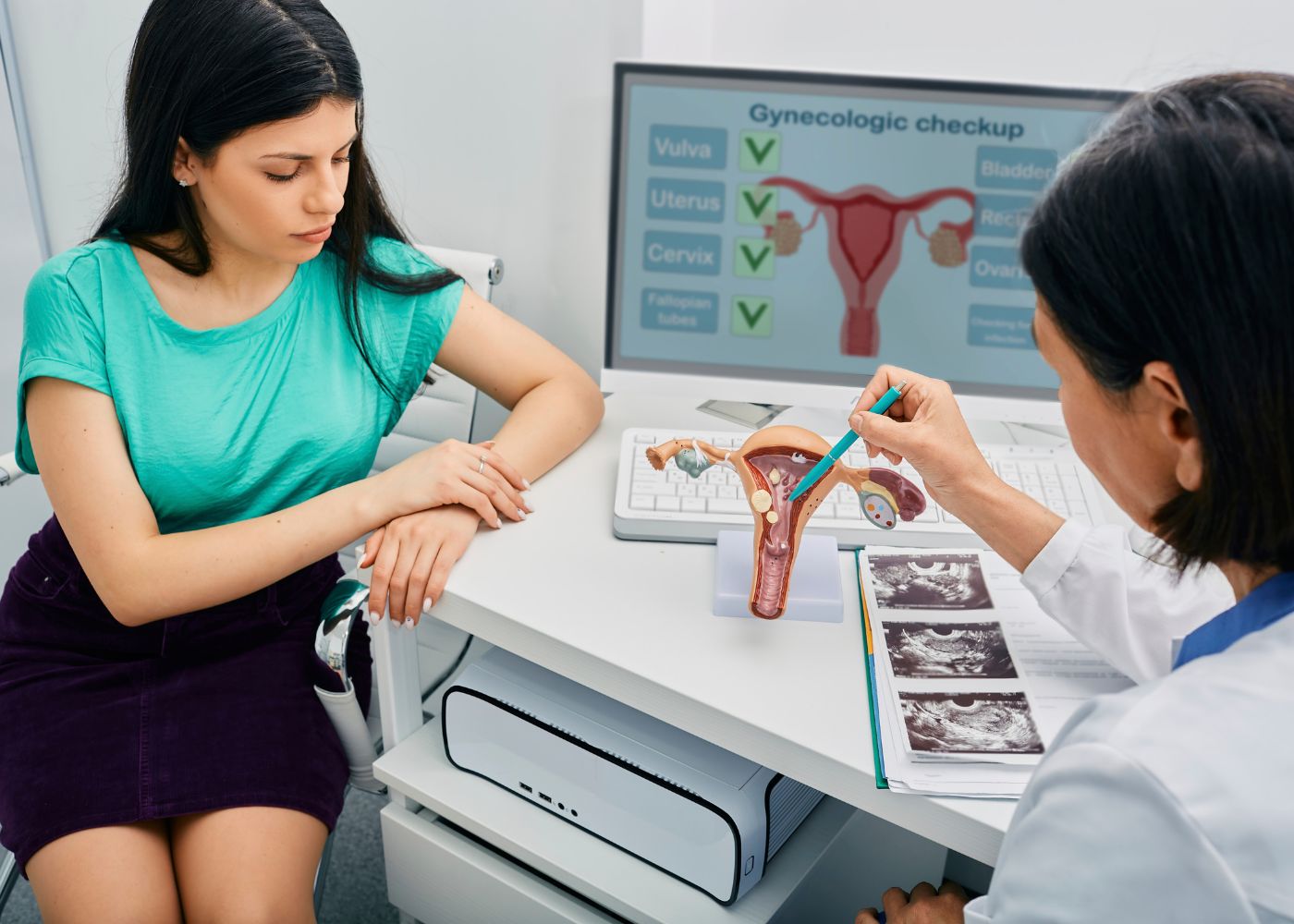
Irregular bleeding can be confusing and, at times, worrying, especially when it doesn’t follow your typical menstrual pattern. While changes in the menstrual cycle are often linked to normal hormonal shifts, they can sometimes point to an underlying health concern that deserves attention. Understanding what’s considered normal, what may be abnormal, and when to seek care can help you feel more confident about your health.
What Is Considered Irregular Bleeding?
Irregular bleeding refers to any vaginal bleeding that differs from your usual menstrual periods. This may include spotting between periods, bleeding after sex, heavier or lighter menstrual bleeding than normal, or cycles that suddenly become unpredictable. Bleeding after menopause is also considered abnormal.
Because every woman’s body is different, what matters most is change. If your bleeding pattern shifts away from what’s typical for you, whether in timing, flow, or duration, it may be considered abnormal uterine bleeding and worth evaluating.
When Irregular Bleeding Can Be Normal
In many cases, irregular bleeding is temporary and related to expected changes in hormone levels. Stress, illness, weight fluctuations, and changes in birth control or birth control pills can all affect the menstrual cycle. Perimenopause, the transition leading up to menopause, often causes irregular periods as the body adjusts.
Occasional spotting or a slightly altered cycle may not be concerning, especially if it resolves within one cycle. However, if irregular bleeding continues, worsens, or occurs alongside other symptoms, further evaluation may be helpful.
Common Causes of Irregular Bleeding
There are many possible causes of irregular bleeding, ranging from mild to more complex. Common causes include:
- Hormonal changes or hormone imbalance
- Pregnancy or possible pregnancy
- Uterine fibroids or polyps, which are noncancerous growths
- Infections, including sexually transmitted infections
- Certain medications
- Menopause-related changes
Some causes may also involve changes in the uterine lining or inflammation within the uterus, which can affect menstrual flow and cycle regularity.
Irregular Bleeding and PCOS
Polycystic ovary syndrome (PCOS) is a common hormonal condition and a frequent cause of irregular periods. People with PCOS may experience missed periods, infrequent cycles, or unpredictable bleeding due to hormone imbalances that affect ovulation.
In addition to irregular bleeding, PCOS symptoms may include pelvic discomfort, weight changes, acne, excess hair growth, or difficulty getting pregnant. Because PCOS affects how hormones regulate the menstrual cycle, the uterine lining may not shed regularly, which can lead to abnormal or prolonged bleeding.
PCOS is typically diagnosed based on symptoms, medical history, and testing. While it’s a chronic condition, symptoms can often be managed with the right care plan. If irregular bleeding is ongoing or paired with other symptoms that don’t improve, evaluation can help determine whether PCOS or another condition is contributing.
Irregular Bleeding and Pelvic Pain
Irregular bleeding sometimes occurs alongside pelvic pain, which can range from mild cramping to severe or sharp pain. This pain may feel similar to menstrual cramps, or it may present as persistent discomfort in the lower abdomen.
Pelvic pain can be related to conditions involving the reproductive organs, such as ovarian cysts, pelvic inflammatory disease, endometriosis, or fibroids. It may also be linked to the urinary system, including urinary tract infections, or other abdominal causes. When bleeding and pelvic pain happen together, identifying the underlying cause becomes especially important.
When Irregular Bleeding Should Be Evaluated
Some symptoms should be checked sooner rather than later. Consider seeking medical care if you experience:
- Heavy bleeding, such as soaking through pads or tampons quickly.
- Bleeding between periods that continues over multiple cycles.
- Bleeding after sex keeps happening.
- Bleeding during pregnancy or when pregnancy is possible.
- Bleeding after menopause.
- Bleeding accompanied by pelvic pain, fever, or other symptoms.
These signs don’t always indicate a serious condition, but they do warrant evaluation by a healthcare provider.
What an Evaluation May Include
An evaluation often begins with a detailed medical history, including information about your menstrual cycle, recent changes, medications, and symptoms. A physical examination may be performed, and in some cases, a pelvic exam is recommended to assess the uterus and surrounding reproductive organs.
Testing may include pregnancy tests, urine tests, blood tests, or screening for infections when appropriate. Imaging may also be recommended to help identify the cause of abnormal bleeding or pelvic pain, depending on findings and symptoms.
When to Seek Emergency Care
In certain situations, irregular bleeding or pelvic pain requires immediate medical attention. Seek urgent or emergency care if you experience sudden severe pain, dizziness or fainting, heavy bleeding with weakness, fever with significant pelvic pain, or sharp one-sided pain that comes on suddenly. These symptoms may be associated with urgent conditions such as ectopic pregnancy or significant infection.
How +MEDRITE Can Help
+MEDRITE Urgent Care can evaluate irregular menstruation and pelvic pain, help identify common causes such as hormonal changes, fibroids, PCOS, infection, or pregnancy-related concerns, and guide next steps when follow-up care is needed. Timely evaluation can help ensure the right treatment options are considered and give you clarity about what’s happening.
Walk-ins are welcome, and appointments are also available for added convenience.
Listening to Your Body Matters
Irregular bleeding can feel stressful, but many causes are manageable especially when addressed early. If something feels off or symptoms persist, paying attention to your body and seeking care is an important step. +MEDRITE Urgent Care offers women’s health services at our Midtown 5th Ave, Midtown West, and Astoria locations, where our providers can help you get answers, reassurance, and guidance when you need it.