
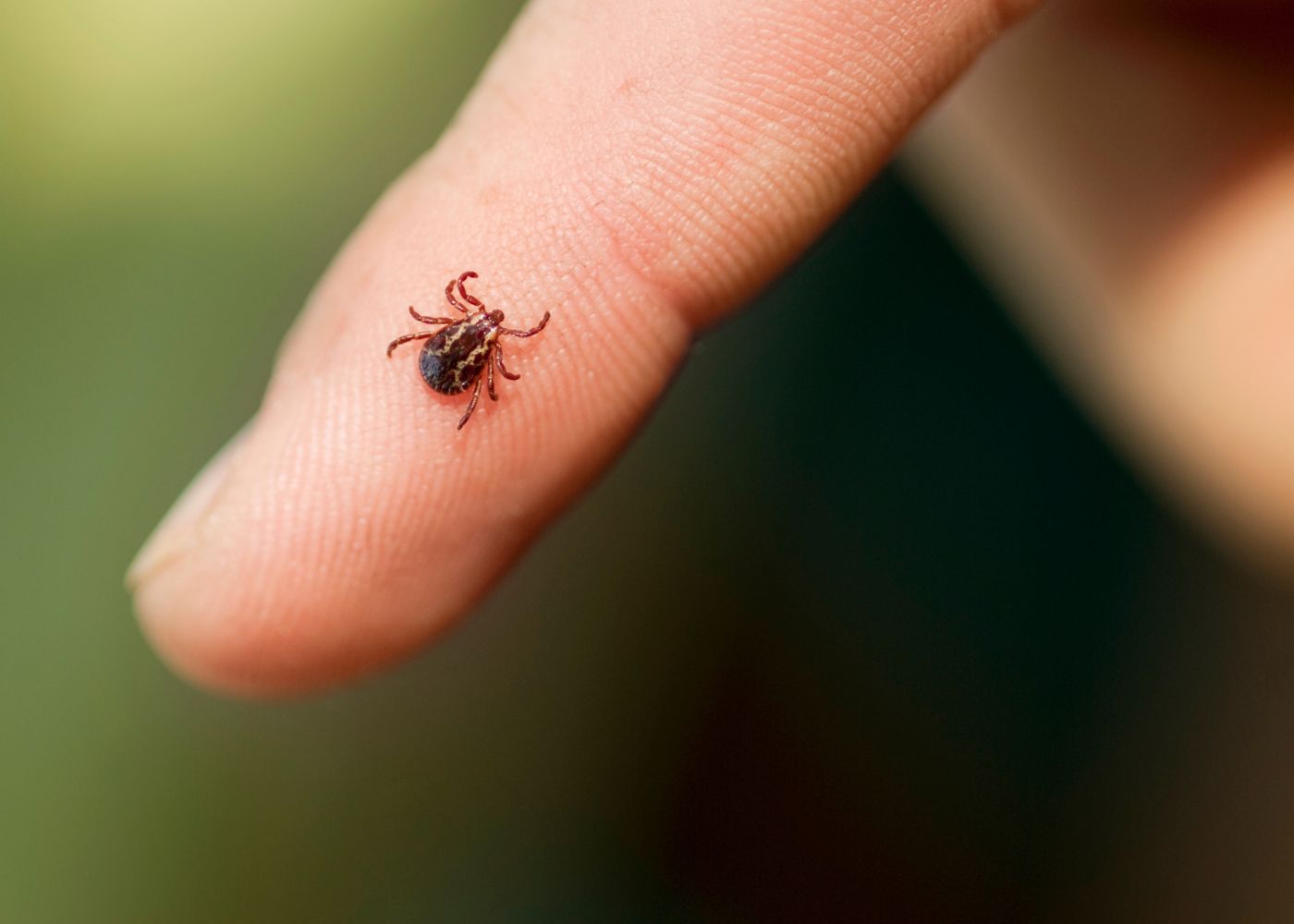
If you’ve been searching for urgent care for a tick bite, you’re likely feeling anxious about what to do next. Tick bites can range from minor skin irritation to something more serious, like Lyme disease or other tick-borne illnesses. Knowing when to seek medical care is important for peace of mind and your long-term health.
While not every tick bite requires urgent treatment, timely evaluation matters. A quick visit to urgent care ensures that the bite site is cleaned properly, the tick is fully removed, and any early warning signs are addressed. This is especially important if you notice changes like spreading redness, fever, or flu-like symptoms. Whether you’re dealing with a small irritation or worried about potential infection, urgent care providers can give you the clear answers you need. This guide will help you understand when to seek care, what symptoms to watch for, and how urgent care can support you after a tick bite.
When You Should Go to Urgent Care for a Tick Bite
It’s common to feel uncertain after discovering a tick on your skin. Sometimes the bite causes only mild redness and itching. Other times, it can lead to more concerning symptoms. So, when to worry about a tick bite?
You should visit urgent care if you notice:
- A bull’s-eye rash (a red ring with clearing in the center), which is a classic sign of Lyme disease.
- Flu-like symptoms such as fever, fatigue, body aches, or chills that appear days to weeks after the bite.
- Persistent redness or swelling that doesn’t improve.
- Swollen lymph nodes, especially near the bite area.
- Difficulty removing the tick fully, or concern that parts of it remain embedded.
Even if your symptoms seem mild, it’s reassuring to have a medical professional examine the bite. At urgent care, providers can evaluate your symptoms, prescribe antibiotics if needed, and guide you on next steps to reduce the risk of serious infection. For more information on how we treat sudden health issues, explore our acute illness care services.
Symptoms That Need Immediate Medical Attention
Most tick bites are harmless, but certain symptoms can signal a more serious reaction or infection. One of the first warning signs is fever or chills that develop after the bite, which may point to an infection taking hold in the body.
Another red flag is a spreading rash, especially the bull’s-eye pattern often linked with Lyme disease. If you begin to experience joint pain or stiffness in the days or weeks that follow, this too may be a sign of something more serious.
You should also seek care right away if you notice signs of an allergic reaction, such as difficulty breathing, dizziness, or swelling of the face and throat. In some cases, a severe headache or neck stiffness can develop, while others experience ongoing fatigue or flu-like illness that does not improve on its own.
These symptoms should never be ignored. They may indicate Lyme disease symptoms, a systemic infection, or a severe allergic response. If you notice any of these issues after a tick bite, it’s important to be seen promptly. Use our urgent care centers to locate the nearest +MEDRITE location.
What Happens at Urgent Care for a Tick Bite
Visiting urgent care after a tick bite is a simple, straightforward process designed to give you peace of mind. Here’s what to expect:
- Medical Assessment – A provider examines the bite site and checks for early symptoms of infection or illness.
- Tick Removal – If the tick is still attached, it will be removed safely and completely.
- Wound Cleaning – The area is cleaned to reduce the risk of infection.
- Treatment Options – If necessary, you may be prescribed antibiotics such as doxycycline, which can help prevent Lyme disease.
- Testing if Indicated – While Lyme disease tests are not always accurate right away, your provider will explain whether testing is appropriate now or later. Patients often ask, “can urgent care test for Lyme disease?” The answer is yes, and your provider will guide you on the right timing.
This step-by-step tick bite treatment process is quick, professional, and reassuring. You’ll leave with clear instructions and the confidence of knowing you’ve been cared for properly. Learn more about our full range of urgent care services.
Safe Tick Removal: At Home vs. Professional Care
If you’ve discovered a tick on your skin, your first instinct may be to pull it out quickly. But safe tick removal is important to avoid leaving parts of the tick behind. Here’s what you should know:
- At Home: Use fine-tipped tweezers to grasp the tick close to the skin. Pull upward steadily without twisting. Clean the area with soap and water after removal.
- Avoid: Crushing the tick with your fingers, using petroleum jelly, or burning it with heat, these methods can make the situation worse.
- Raised bump after tick bite: It’s common to notice a small red bump or mild irritation afterward, but if swelling increases, it’s best to get checked.
- Professional Care: If you’re unable to remove the tick completely, or if you’re unsure whether the head or mouthparts remain embedded, urgent care can ensure proper tick bite removal without complications.
When in doubt, let a professional handle it. For other bite-related concerns, see our tips on how to make bug bites go away.
Recovery and Follow-Up Care
After visiting urgent care, it’s important to continue monitoring your health. Here’s what to do after a tick bite:
- Follow prescribed treatment – Take any antibiotics as directed and finish the full course.
- Monitor the bite site – Some redness or a small bump is normal, but a tick bite that won’t heal or one that seems to worsen should be reevaluated.
- Watch for delayed symptoms – Keep an eye out for fever, spreading rash, or joint pain, even weeks later. If the tick bite won’t go away, or if new symptoms appear, schedule a follow-up visit.
- Check with your provider – They may recommend a follow-up exam or additional testing depending on your risk factors.
By staying attentive and following your provider’s guidance, you can feel confident in your recovery while minimizing the risk of long-term complications.
Steps to Protect Yourself from Future Tick Bites
Prevention is the best defense against tick-borne illness. Here are simple steps you can take:
- Wear protective clothing – Long sleeves, pants, and light-colored fabrics make ticks easier to spot.
- Use insect repellent – Choose repellents with DEET, picaridin, or permethrin for added protection.
- Check your skin and clothing – After spending time outdoors, inspect your body carefully, especially behind the knees, around the waist, and in the scalp.
- Shower soon after outdoor activity – This can help wash off ticks that haven’t attached yet.
- Stay aware of tick habitats – Grassy, wooded, or brushy areas are where most tick bites to be concerned about occur.
Taking these preventive measures can significantly reduce your chances of another tick bite.
Why Choose +MEDRITE for Tick Bite Care
When it comes to your health, you deserve care that is fast, reliable, and close to home. +MEDRITE Urgent Care makes it easy to get expert help for tick bites and other sudden health needs.
Here’s why patients across New York, New Jersey, and Florida trust +MEDRITE:
- Convenience: Walk in today, no appointment required.
- Expertise: Skilled providers trained to recognize and treat tick-related illnesses.
- Accessibility: Multiple locations with extended hours, including weekends.
- Comprehensive Care: From safe tick removal to Lyme disease testing and treatment, everything is handled in one visit.
If you’ve been bitten by a tick and want answers quickly, don’t wait. Walk into your nearest +MEDRITE Urgent Care center today and get the professional care you need to feel confident and protected.