
Get same-day, walk-in evaluation and referrals for RSV and other respiratory infections for patients of all ages (including infants, seniors, and expectant mothers) without the stress of an ER visit.
Extended Hours, Same-Day RSV Care Close to Home.
Urgent Care for RSV



Common RSV Signs and Symptoms
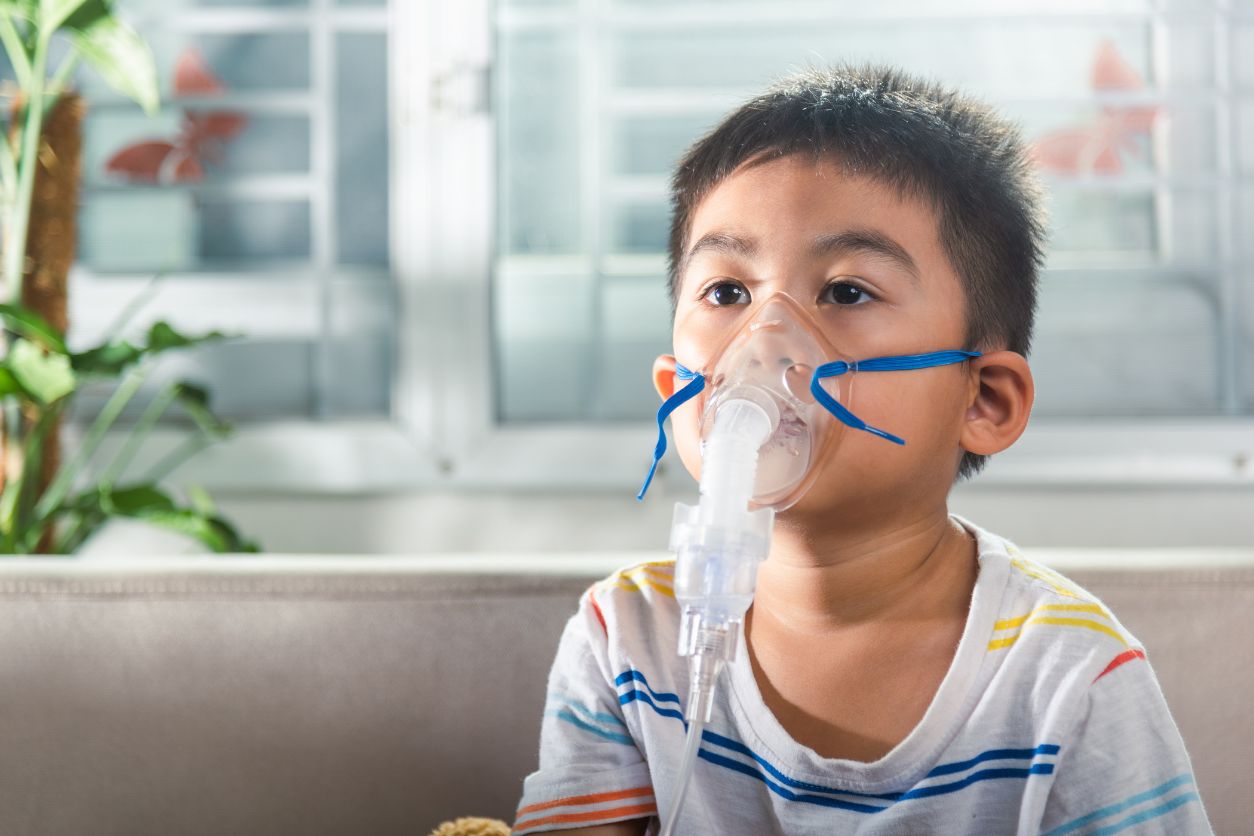
RSV often begins like the common cold and can range from mild to severe. Common respiratory virus symptoms include:
- Runny nose or stuffy nose
- Cough
- Sore throat
- Fever (sometimes)
- Wheezing
- Trouble breathing or shortness of breath
- Fatigue or feeling run down
- Decreased appetite (especially in infants and young children)
In adults, RSV may feel like a typical cold. Many healthy adults recover with rest and fluids, but older adults and people with asthma, COPD, or a weakened immune system can experience more intense symptoms.
In babies, infants, and younger children, RSV can affect breathing and feeding more quickly. Watch for these warning signs:
- Rapid breathing
- Flaring nostrils
- Chest retractions (skin pulling in around the ribs)
- Trouble feeding or fewer wet diapers
- Unusual sleepiness or irritability
- Dry mouth or signs of dehydration
If you’re suffering from any life-threatening conditions such as a heart attack, stroke, head injury, severe bleeding or trauma CALL 911 immediately.
What We Do
Supportive Care and Symptom Relief
Your provider may recommend:
- Fluids, rest, and hydration guidance
- Fever or pain relief options when appropriate
- Strategies to ease congestion and coughing
Breathing Support When Needed
If wheezing or airway tightness is present, especially in children, older adults, or people with asthma, your provider may recommend treatments or medication to help breathing feel more comfortable.
When Antibiotics Don’t Help
Antibiotics don’t treat RSV. They’re only considered if a secondary bacterial infection is suspected based on symptoms and exam findings. Always consult a healthcare provider before taking any medication.
Seek Testing
When to Go to Urgent Care for RSV
Consider medical attention if symptoms are worsening or you’re concerned about breathing or hydration.
You should seek urgent care for RSV if you notice:
- Breathing feels difficult, fast, or labored
- Wheezing or a persistent cough that’s getting worse
- Fever that persists, returns, or comes with worsening symptoms
- Symptoms that don’t improve or worsen after a few days
- Signs of dehydration (such as dry mouth, dizziness, or fewer wet diapers in children)
- Higher-risk factors: infants, older adults, chronic medical conditions, or a weakened immune system
If symptoms are severe, such as severe trouble breathing, bluish lips/face, confusion, or signs of severe dehydration, seek immediate medical attention.

Precautions to Take
Prevention & Home Care Tips for RSV
Prevention focuses on reducing exposure and protecting people at higher risk:
- Wash hands often and avoid touching your face
- Clean frequently touched surfaces
- Avoid sharing cups, utensils, or drinks during illness
- Limit close contact with sick individuals when possible
- Ask a healthcare professional about RSV prevention options if you or a family member is at higher risk
If symptoms are mild, home care can help support recovery:
- Rest and fluids to prevent dehydration
- Humidifier or warm steam to ease congestion
- Saline drops and gentle suction for infants (if recommended)
- Reduce close contact with others when sick during RSV season
- Monitor symptoms and watch for warning signs like worsening cough, dehydration, or trouble breathing

Frequently Asked Questions
How long does RSV last?
Many people start improving within a week or two, though the cough can linger longer as the airways recover. If symptoms worsen rather than improve, especially breathing symptoms, it’s a good reason to seek medical attention.
How contagious is RSV?
RSV is very contagious and spreads through close contact, respiratory droplets, and contaminated surfaces. It’s especially common during the RSV season in the fall and winter months.
Which groups should take extra care to avoid RSV?
People who should take extra care to avoid RSV include infants and some young children (especially very young babies) and older adults, plus anyone with a weakened immune system or certain chronic heart or lung conditions.
How do you know if it’s a respiratory illness versus the common cold?
Respiratory viruses can look like the common cold at first. Worsening cough, wheezing, trouble breathing, or decreased appetite, especially in infants, babies, and older adults, may point to a virus, and testing can help confirm the cause.
Can adults get RSV more than once?
Yes. Adults can get RSV more than once. Repeat infections are often mild in healthy adults, but older adults and those with a weakened immune system may have more severe symptoms.
What are the warning signs of dehydration in children with RSV?
Warning signs can include fewer wet diapers, dry mouth, crying without tears, unusual sleepiness, or trouble feeding. If you notice these signs, seek medical attention.
Payment Options
We accept most commercial, government, and state insurances.












Self pay?
Wide range of self pay options offered. Call now or walk in to learn about rates.
Insurance Question?
If you’re unsure we accept your plan, call your Medrite center before your visit for assistance.
highlights
The convenience of quality care.

No Appointment
or Referral Needed
Your care can’t wait. Walk right in at
your local Medrite center and get
seen now.

No or Low Out
of Pocket Fees
We keep copays as low as possible
and work hard to secure insurance
coverage.

No Long Wait Lines,
No Matter the Time
No one enjoys sitting around a
doctor’s office. Enjoy the shortest wait
lines.

Long, Flexible Hours,
Including Sundays
We offer extended hours to be there right when you need us. See hours on each location's page.
Call us
Get Tested
Get Evaluated for RSV Today
If you, your child, or other loved ones' symptoms are worsening, especially coughing, wheezing, or trouble breathing, +MEDRITE Urgent Care can help. Walk in when you need care, or schedule an appointment, whatever fits your day.