
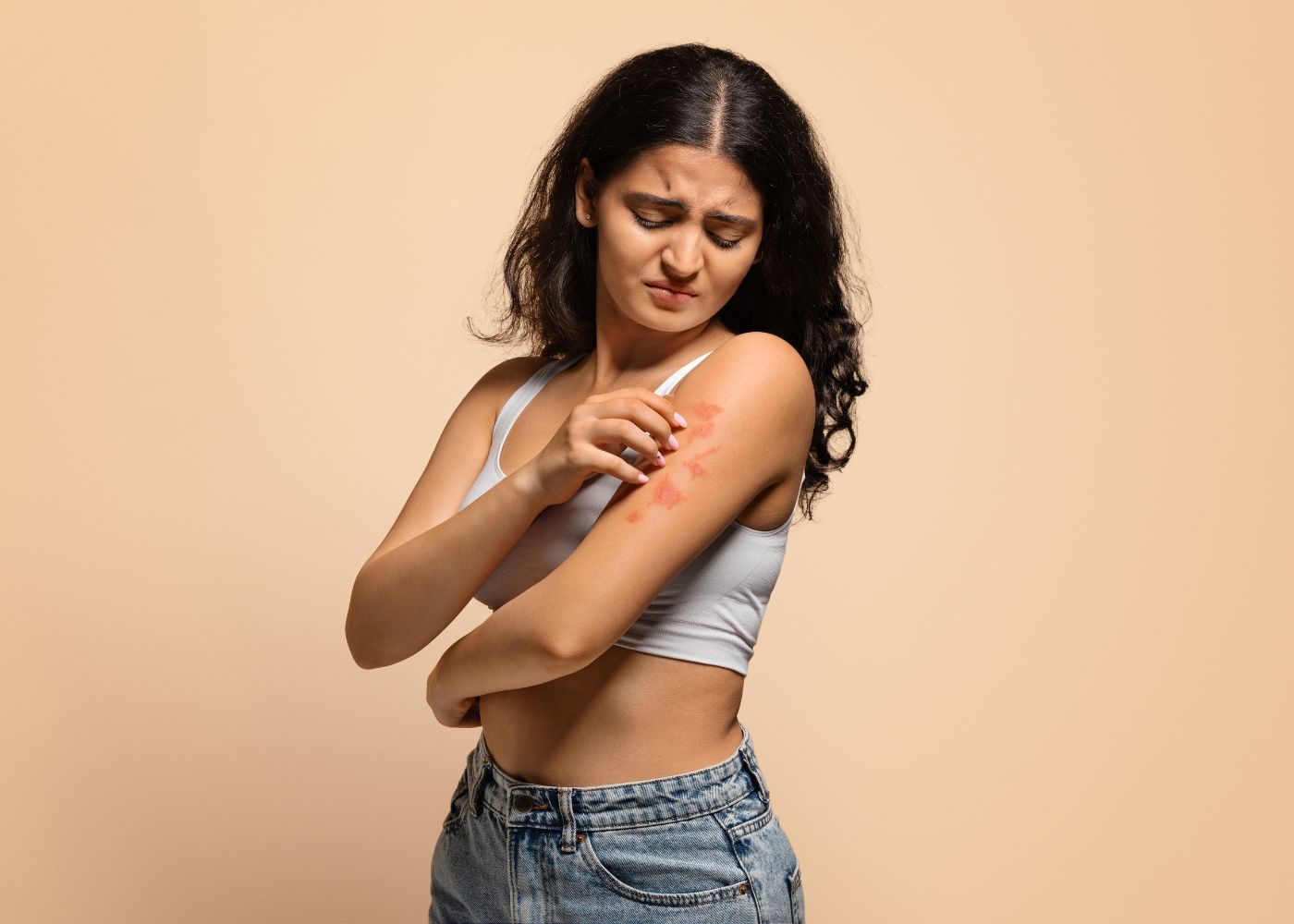
Viral hives are a common skin reaction in adults that often appear during or after a viral illness. These itchy, red welts are caused by the immune system’s response to a viral infection, not by an allergy. When the body is fighting off something like the flu or a cold, it can sometimes also trigger an inflammatory skin reaction.
Most viral hives are harmless and temporary, but severe or spreading symptoms may require evaluation. If hives are accompanied by swelling of the lips or face, difficulty breathing, or persistent rashes, you should seek urgent medical attention.
What Are Viral Hives?
Viral hives, also known as urticaria, are raised, itchy patches on the skin that occur when the immune system releases chemicals in response to a viral infection. These outbreaks may happen during illnesses such as a cold, flu, mononucleosis, or even COVID-19. In these cases, hives are not caused by direct exposure to a virus on the skin, but by the body’s internal reaction to the infection.
In healthy individuals, hives often go away on their own within a few days. However, in some adults with chronic conditions or immune system sensitivities, the hives may return or persist.
What Do Viral Hives Look Like in Adults?
Common Appearance and Locations
In adults, viral hives usually appear as red or pink raised welts with irregular shapes. They can look like mosquito bites or large patches of irritated skin. These welts may feel itchy, warm, or swollen to the touch and often move from one area to another within hours.
Commonly affected areas include:
- Arms and legs
- Back and chest
- Abdomen
- Face or neck
These symptoms are often referred to as a viral rash in adults, though hives have distinct features compared to other types of rashes.
Difference Between Hives vs. Rash
Understanding the difference between hives vs. rash is important for getting the right treatment. While hives appear as raised welts that move or change rapidly, other rashes tend to stay in place and may involve flat, scaly, or blistered patches.
Here’s a simple breakdown:
- Hives (urticaria): Raised, itchy welts that come and go quickly.
- Heat rash: Small red bumps in areas of sweat or friction.
- Allergic rash: Can look like hives but may be accompanied by sneezing, congestion, or watery eyes.
- Other viral skin infections: Such as measles or chickenpox, which often begin with a flat rash and may include fever or body aches.
If you are unsure whether your symptoms point to hives or another condition, it’s best to visit one of our urgent care centers for an evaluation.
Types of Viral Hives
Acute Viral Hives
Acute viral hives are short-term outbreaks that typically occur in response to a recent viral illness. These hives may appear during or shortly after an infection like the flu, mononucleosis, or a cold. The skin reaction is usually accompanied by other symptoms such as fever or swelling, and it tends to resolve within days to a couple of weeks.
This type of hives is most commonly seen in people whose immune systems are temporarily overstimulated during infection.
Chronic Viral Hives
Chronic urticaria refers to hives that last for more than six weeks. In some cases, an initial viral infection may set off a longer-lasting immune response that keeps the skin in a reactive state. These cases may not be contagious, but they can be disruptive to daily life due to persistent urticaria symptoms like recurring itching, swelling, or red welts.
Patients experiencing frequent outbreaks without a clear trigger should seek a medical evaluation to explore whether a past illness or an underlying condition may be contributing.
Special Types
Certain less common forms of hives, such as cholinergic urticaria and cold urticaria, can be triggered or worsened by viral illnesses. Cholinergic urticaria may present after exercise or elevated body temperature, while cold urticaria can appear after exposure to cooler temperatures; both conditions may flare up more easily if the body is already stressed from an illness.
Causes of Viral Hives
Viral hives occur when the immune system reacts to an infection by releasing histamine and other inflammatory chemicals. This release can lead to swelling, itching, and skin irritation. In some cases, a more intense reaction such as angioedema may occur, especially around the eyes or lips.
Several common illnesses are known to cause this immune overreaction, including:
- The common cold
- Influenza
- COVID-19
- Mono (Epstein-Barr virus)
- Hepatitis or other viral infections
Some people may experience post viral rash hives that appear days after symptoms like fever or sore throat have resolved. These reactions are not usually dangerous but may be uncomfortable or persistent.
If you’re wondering what viral infections cause hives, the answer often includes both respiratory viruses and gastrointestinal ones. Any virus that triggers an immune response has the potential to set off a hive reaction, especially in people who are prone to skin sensitivities.
Are Viral Hives Contagious?
A common concern among patients is, are viral hives contagious? The answer is no, the hives themselves are not contagious. However, the underlying viral infection that triggered the outbreak could be. For example, if a person is experiencing hives due to a cold or the flu, the virus may still be transmittable to others even though the skin reaction is not. It’s important to manage symptoms while also minimizing the spread of illness through good hygiene and distancing when needed.
How Long Do Viral Hives Last?
The duration of viral hives depends on the individual and the type of viral illness involved. In most mild cases, hives go away within a few hours to a few days. These are self-limiting and resolve as the immune system calms down.
In other situations, hives after a viral infection may linger for a week or longer. Some adults may even develop chronic urticaria, where hives come and go for six weeks or more, especially if the body has not fully recovered from the infection.
If you’re asking how long do viral hives last, and symptoms persist beyond a week or are getting worse, it’s a good idea to consult a medical provider.
Symptoms and When to See a Doctor
Common Symptoms
The primary urticaria symptoms include:
- Itchy red welts or patches
- Swelling in localized areas
- A burning or stinging sensation
- Mild fever or fatigue may accompany hives during illness
While uncomfortable, these symptoms are usually manageable at home.
Red Flags for Urgent Care
Some cases may need immediate evaluation. Visit an urgent care center if you experience:
- Rapid swelling of the lips, tongue, or throat
- Difficulty breathing or tightness in the chest
- Severe hives spreading across the body
- Dizziness or fainting
- Signs of angioedema
If you’re experiencing any of these symptoms, you should visit +MEDRITE Urgent Care for acute illness care as soon as possible.
Treatment Options for Viral Hives
At-Home Remedies
For many, urticaria self-care can offer symptom relief:
- Apply cold compresses to itchy areas
- Take oatmeal baths to soothe skin
- Use over-the-counter antihistamines such as diphenhydramine or loratadine to reduce itching and inflammation
- Wear loose-fitting, breathable clothing
Avoid known triggers like hot showers, alcohol, or excessive sun exposure, which may worsen symptoms.
Medical Treatments
If symptoms are intense or recurring, a medical provider may recommend urticaria medication such as:
- Prescription-strength antihistamines
- Oral corticosteroids for short-term flare-ups
- Epinephrine (in rare emergency cases)
A provider will also evaluate your full health history to determine if any underlying condition is contributing to the hives.
Prevention Tips for Reducing Flare-Ups
While it’s not always possible to prevent viral-induced hives, there are steps you can take to reduce the chance of flare-ups:
- Support your immune system with good nutrition, hydration, and adequate rest
- Avoid sudden temperature changes like going from a hot shower to cold air
- Track and manage trigger exposures such as certain medications, foods, or stress
- Stay current with vaccines and preventive care
Being proactive about your health can help limit the frequency or severity of future outbreaks.
When to Visit +MEDRITE Urgent Care
If your symptoms are severe, prolonged, or unclear in cause, visiting a provider is the best step forward. At +MEDRITE, our team can help assess your skin reaction, rule out other concerns, and offer fast symptom relief all without an appointment.
We have urgent care centers conveniently located across New York, New Jersey, and Florida, ready to help. Find your nearest location here.