
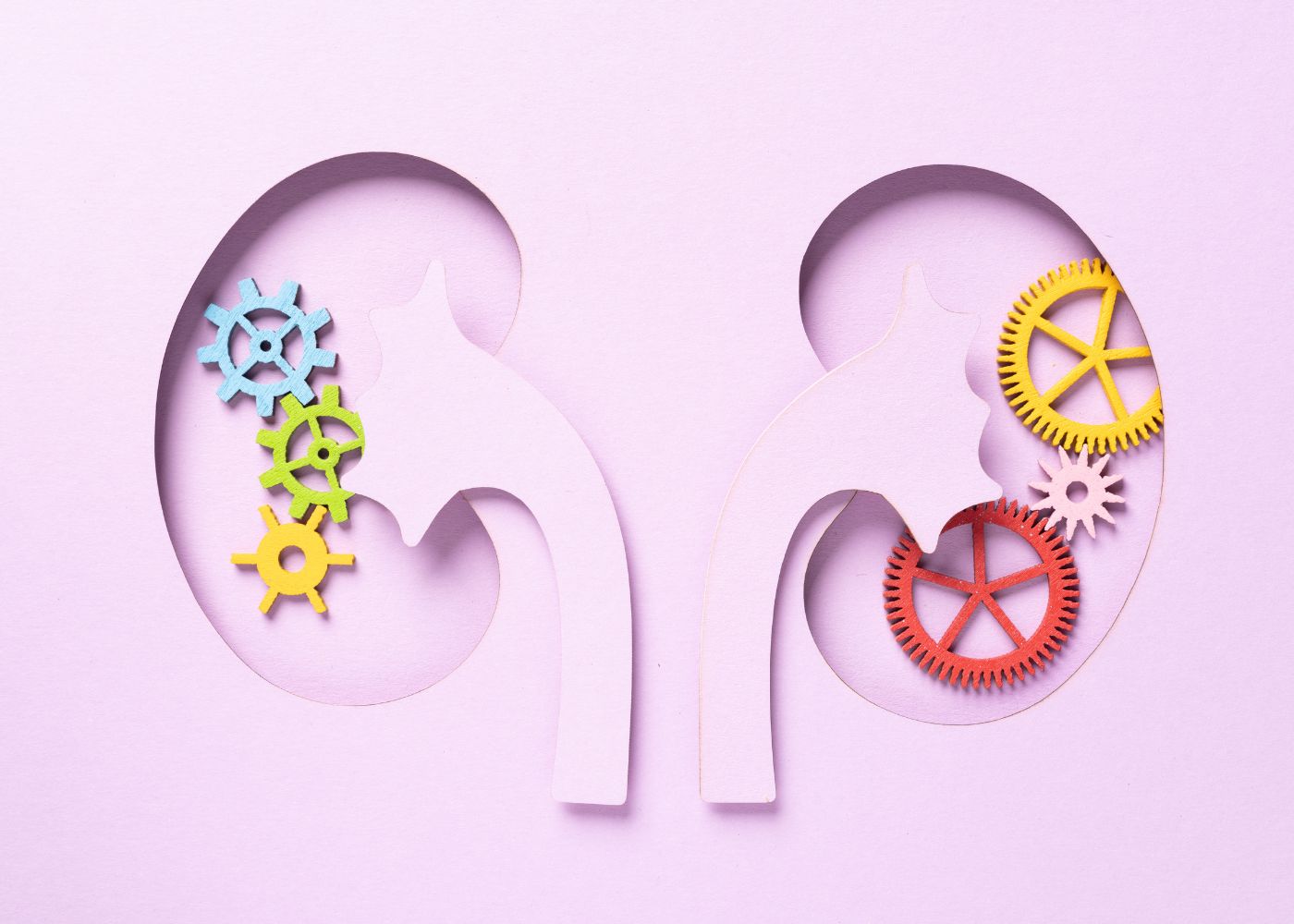
Every year, World Kidney Day brings global attention to the importance of kidney health and the prevention of kidney disease. Observed on the second Thursday of March, this international awareness day encourages individuals, healthcare providers, and communities to learn more about protecting kidney function and recognizing the early signs of kidney disease.
Your kidneys play an essential role in maintaining the body’s balance. These bean-shaped organs filter waste from the blood, regulate blood pressure, balance fluids, and help control essential minerals in the body. When kidney function becomes impaired, it can affect nearly every system in the body.
World Kidney Day aims to raise awareness about chronic kidney disease (CKD) and promote early detection, prevention, and equitable access to care. The campaign’s global message, “Kidney Health for All: Caring for People, Protecting the Planet,” also highlights the connection between human health, healthcare systems, and environmental sustainability.
Through education, community outreach, and preventive care, the global community continues working toward reducing the burden of kidney disease and improving kidney care worldwide.
Understanding World Kidney Day
World Kidney Day is a global health awareness initiative first launched in 2006 by the International Society of Nephrology and the International Federation of Kidney Foundations. The campaign now reaches more than 150 countries, bringing together healthcare professionals, organizations, and communities to highlight kidney disease prevention.
Community outreach initiatives take place worldwide through public screenings, health education programs, social media campaigns, and partnerships with kidney foundations and healthcare systems. |
 |
One popular campaign associated with the event is #SockItToKidneyDisease, in which people post colorful socks on social media to spark conversations and raise awareness of kidney disease.
These collective efforts help educate individuals about protecting kidney health while encouraging policy changes and innovation that support better kidney care.
The Global Impact of Kidney Disease
Kidney disease is often described as a silent disease because symptoms frequently do not appear until the condition has progressed to more advanced stages. As a result, millions of people may have kidney disease without realizing it.
Today, chronic kidney disease affects approximately 1 in 10 people worldwide, making it one of the most common noncommunicable diseases.
Without early detection and treatment, CKD can progress to kidney failure, requiring treatments such as dialysis or kidney transplantation. These treatments are life-saving but can also be resource-intensive and place significant demands on healthcare systems.
Kidney disease is also closely linked with other health conditions, including:
- Diabetes
- High blood pressure (hypertension)
- Cardiovascular disease
- Obesity
- Family history of kidney disease
These interconnected conditions increase the risk of kidney damage and highlight the importance of prevention and routine health monitoring.
The World Health Organization and global health organizations continue to emphasize kidney health as a major public health priority because kidney disease remains among the leading causes of death worldwide.
Risk Factors for Chronic Kidney Disease
Many people develop kidney disease gradually due to underlying health conditions or lifestyle factors. Identifying these risk factors early can help slow disease progression and protect kidney function.
Common risk factors include:
- Diabetes, which can damage blood vessels in the kidneys over time
- High blood pressure, which places strain on kidney blood vessels
- Obesity and overweight conditions
- Family history of kidney disease
- Smoking
- Dehydration
- Cardiovascular disease
Individuals in disadvantaged populations or communities with limited access to healthcare may face higher risks due to barriers in screening and preventive care.
Regular checkups, blood pressure monitoring, and simple blood and urine tests can help detect kidney disease early before symptoms appear.
Why Early Detection Matters
One of the most important messages of World Kidney Day is that early detection can save lives.
Kidney disease often develops slowly, and many individuals experience no symptoms during the early stages. By the time noticeable symptoms appear, significant kidney damage may already have occurred.
Early screening helps identify kidney dysfunction before it progresses.
Tests commonly used to check kidney function include:
- Blood tests to measure waste products in the blood
- Urine tests to detect protein or abnormalities
- Blood pressure monitoring to identify hypertension
When detected early, many kidney diseases can be managed or slowed through lifestyle changes, medication, and careful monitoring.
Managing risk factors such as diabetes, hypertension, and obesity plays a critical role in preventing long-term kidney complications.
Environmental Health and Kidney Disease
Recent World Kidney Day campaigns have also emphasized the connection between kidney health and environmental factors.
Climate change and environmental stressors can influence kidney disease risk in several ways. For example, heat stress, dehydration, and air pollution may increase the likelihood of kidney damage or accelerate the progression of chronic kidney disease.
Environmental threats linked to kidney disease include:
- Air pollution
- Rising global temperatures
- Extreme weather events
- Dehydration and heat exposure
- Environmental toxins
Healthcare innovation is also exploring ways to reduce the environmental footprint of kidney treatments. Dialysis, while essential for patients with kidney failure, can generate significant resource use and greenhouse gas emissions.
The global campaign theme “Kidney Health for All: Caring for People, Protecting the Planet” encourages healthcare systems to explore more sustainable solutions while continuing to provide high-quality care.
How You Can Protect Your Kidney Health
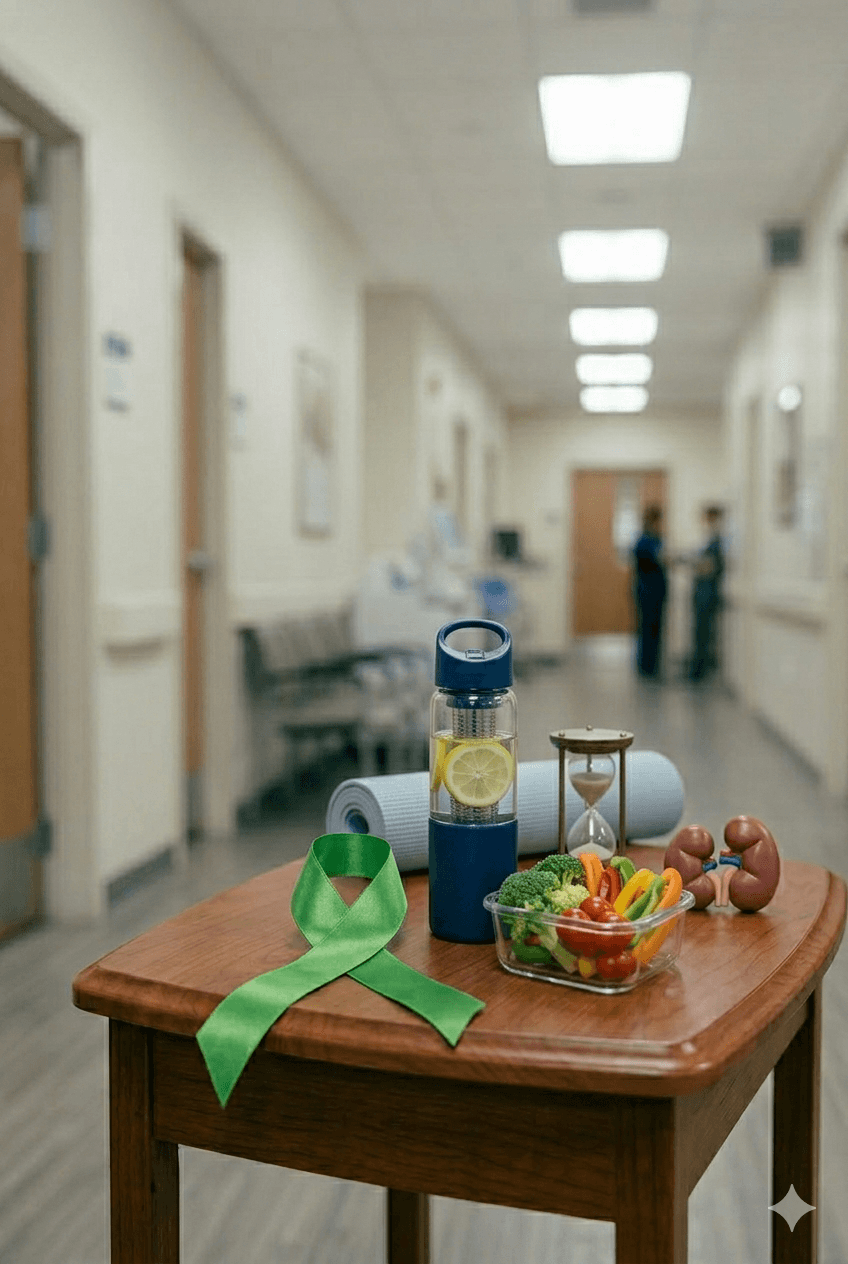
World Kidney Day also promotes simple lifestyle strategies known as the “8 Golden Rules” for kidney health. These practical tips help individuals maintain healthy kidneys and reduce their risk of chronic kidney disease.
Healthy kidney habits include:
These everyday habits support kidney function and improve overall health. |
 |
Small changes can make a significant difference in protecting the kidneys and preventing disease progression.
Community Awareness and Global Action
World Kidney Day continues to grow as a global movement that unites organizations, healthcare providers, and communities in raising awareness about kidney health.
Activities during the awareness campaign often include:
- Public health screenings
- Community education programs
- Social media awareness campaigns
- Educational webinars hosted by nephrology experts
- Fundraising initiatives supporting kidney research
Organizations such as kidney foundations and healthcare advocates also work to expand equitable access to kidney care, particularly in underserved communities where kidney disease often goes undiagnosed.
These awareness efforts help educate the public while encouraging innovation and progress in kidney disease research and treatment.
How +MEDRITE Supports Kidney Health
At +MEDRITE Urgent Care, we recognize the importance of kidney health and preventive care. Routine health evaluations can help identify risk factors for kidney disease and support early detection.
Our healthcare providers can assist with:
- Blood pressure monitoring
- General health evaluations
- Preventive care and routine screenings
- Assessments for symptoms related to kidney health
If you have risk factors such as diabetes, hypertension, obesity, or a family history of kidney disease, regular medical checkups can help protect your kidney function and overall health.
Walk-ins are always welcome, and appointments are also available for added convenience. Visiting a healthcare provider for preventive care can help you stay informed and proactive about your kidney health.
World Kidney Day is a reminder that awareness, prevention, and early detection can make a meaningful difference. Taking steps today can help protect your kidneys and support a healthier future.