
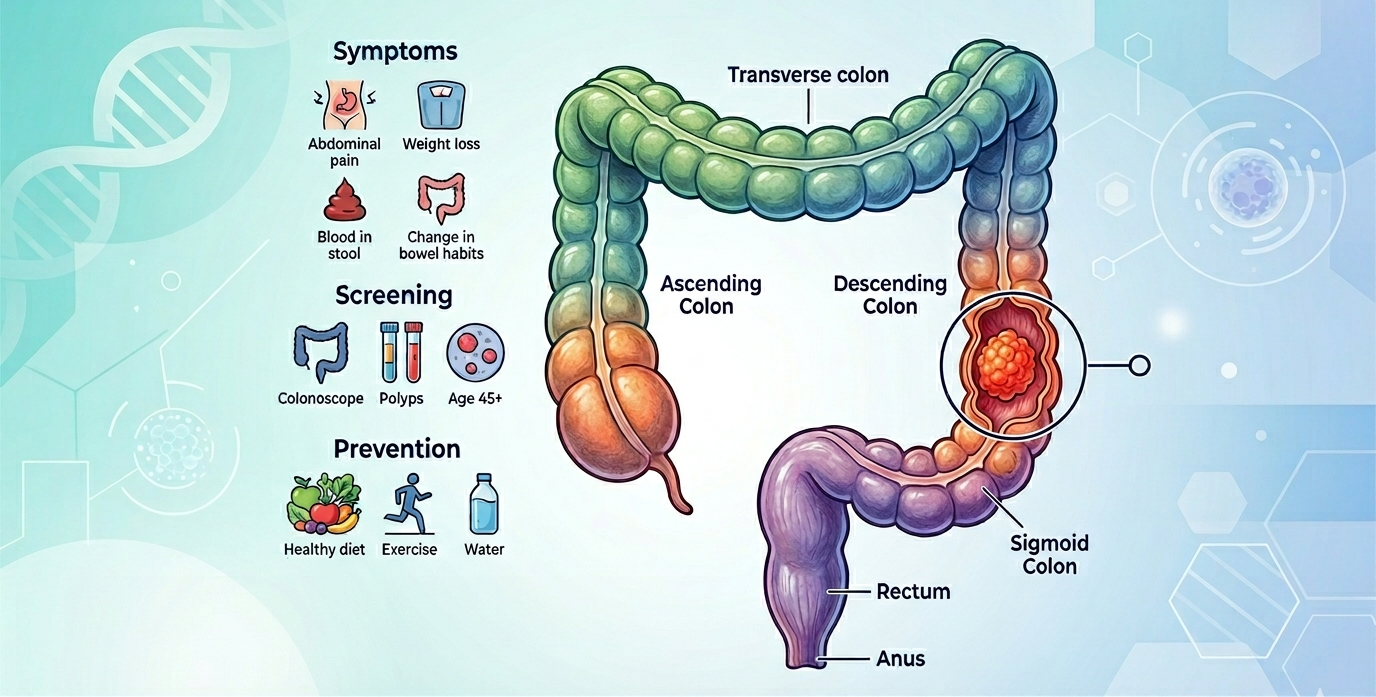
Colon cancer is no longer a condition that only affects older adults. In recent years, there has been a noticeable rise in cases among younger adults, with more individuals being diagnosed with early-onset colorectal cancer.
In fact, nearly 1 in 5 colorectal cancer diagnoses now occur in individuals under age 55, and rates in this age group have nearly doubled over the past few decades. According to data from the American Cancer Society, colorectal cancer rates among adults younger than 55 increased from 11% in 1995 to 20% in 2019.
This trend is raising concern across the medical community, especially since many cases are diagnosed at later stages. Understanding the warning signs, risk factors, and importance of early detection is critical to improving outcomes.
Why Is Colon Cancer Increasing in Younger Adults?
The rise in colorectal cancer among young adults is still being studied, but several contributing factors have been identified. Lifestyle and environmental changes appear to play a significant role.
A western diet high in processed foods and processed meats, combined with low fiber intake and sedentary habits, may increase the risk of developing colorectal cancer at a younger age. Researchers are also exploring how changes in the gut microbiome and other environmental influences may contribute to tumor growth.
Genetics can also play a role. Individuals with a family history of colon cancer or inherited conditions like Lynch syndrome may face a higher risk. However, many younger patients diagnosed with colorectal cancer have no known risk factors, which makes awareness even more important.
What Is Early-Onset Colorectal Cancer?
Early-onset colorectal cancer refers to a diagnosis made before age 50 and includes both colon and rectal cancers, such as rectal cancer.
This form of cancer is often diagnosed at a later stage, when it has progressed to more advanced disease, making it more difficult to treat. Delays in recognizing symptoms are a major reason younger patients are more likely to be diagnosed at a later stage.
Early Warning Signs of Colon Cancer in Younger Adults
The early symptoms of colon cancer can be subtle and are often mistaken for less serious conditions. Recognizing red flag signs early is essential.
Common warning signs include:
- Blood in the stool or rectal bleeding
- Persistent abdominal pain or cramping
- Changes in bowel habits
- Unexplained weight loss
- Fatigue or weakness, sometimes linked to anemia
Symptoms that last more than a few weeks should always be evaluated by a healthcare provider.
Symptoms Younger Adults Often Overlook
Many early symptoms are dismissed as minor digestive issues. Younger adults may attribute them to hemorrhoids, IBS, or diet, which can delay a proper diagnosis.
Rectal bleeding, one of the most common early signs, is especially likely to be overlooked. As a result, symptoms may go unaddressed until the condition worsens.
In some cases, there may be few or no noticeable symptoms, making it important to pay attention to persistent changes and seek evaluation when something feels off.
Risk Factors for Colon Cancer in Young Adults
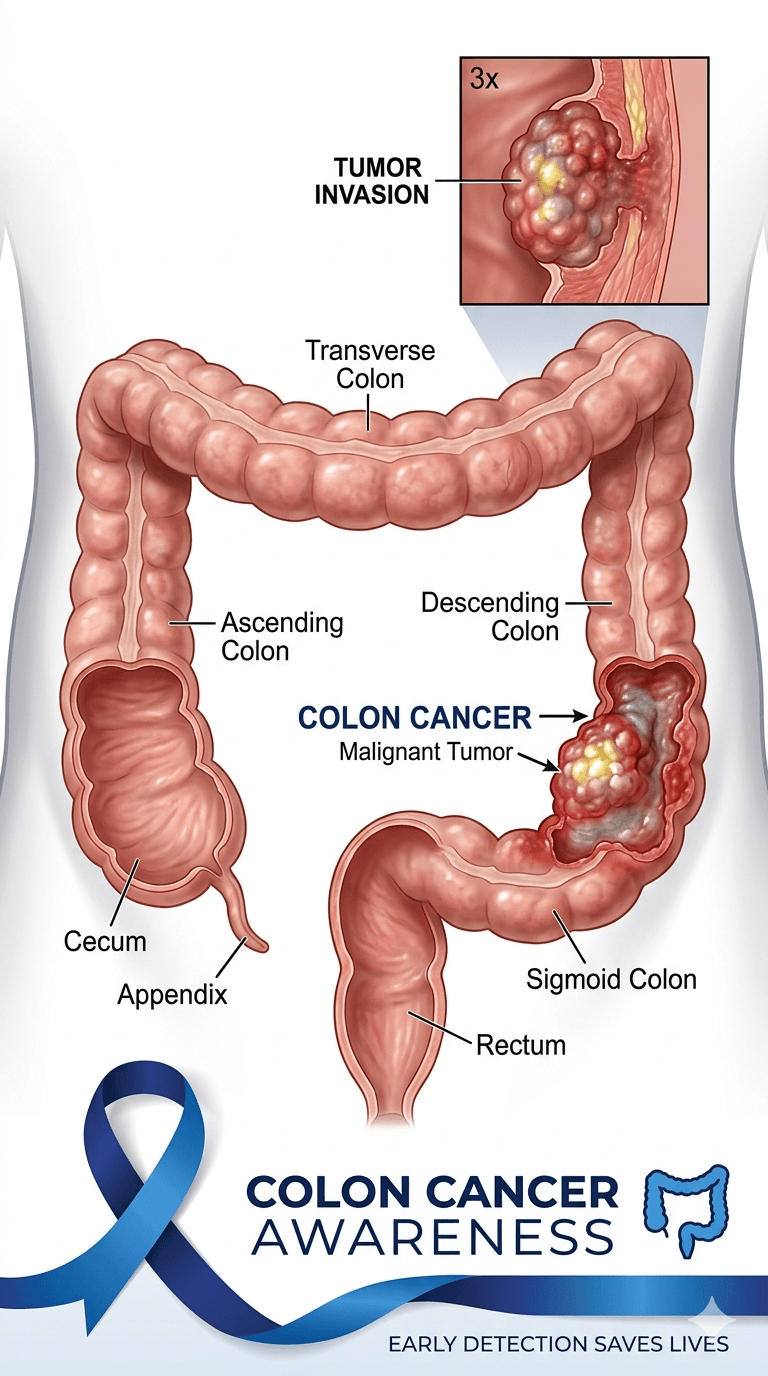
| Several factors can increase the likelihood of developing colorectal cancer at a younger age. Understanding these risks can help support better colon health and early action when needed.
Key risk factors include:
Even individuals considered average risk can develop colorectal cancer, which is why awareness of symptoms remains important. |
 |
How to Reduce Your Risk of Colon Cancer
While not all cases of colorectal cancer can be prevented, there are steps you can take to support your overall colon health and lower your risk.
Many experts believe that lifestyle choices play a significant role, with more than half of cases linked to modifiable risk factors. Making small, consistent changes can help reduce your long-term risk.
Some ways to help reduce your risk include:
- Eating a balanced diet rich in fiber, fruits, and vegetables
- Limiting intake of processed meats and red meat
- Maintaining a healthy weight
- Staying physically active
- Avoiding smoking and limiting alcohol consumption
It’s also important to stay aware of your personal risk. If you have a family history of colorectal cancer, a history of colon polyps, or conditions like inflammatory bowel disease, you may need earlier or more frequent screening.
Taking a proactive approach to prevention, along with routine check-ups, can help support early detection and better outcomes.
Why Early Detection and Screening Matter
Early detection plays a critical role in improving outcomes. When identified early, colorectal cancer is often more treatable and associated with better survival rates.
The American Cancer Society recommends that most adults begin colorectal cancer screening at age 45, a change made in response to rising cases in younger populations.
A colonoscopy remains the gold standard for screening because it allows providers to detect cancer and remove precancerous polyps during the same procedure. Early screening can prevent cancer from developing and significantly reduce long-term risk.
Despite this, fewer than 60% of eligible individuals have completed recommended screening, highlighting an important gap in preventive care.
When to Seek Medical Attention
You should seek medical attention if symptoms do not improve or begin to worsen. Persistent digestive changes, unexplained symptoms, or ongoing discomfort should be evaluated by a healthcare provider.
A primary care provider can assess your symptoms, recommend next steps, and determine whether further testing is needed.
When to Visit Urgent Care vs the Emergency Room
Knowing where to go for care can help ensure you receive the appropriate level of treatment.
When Urgent Care Is Appropriate
An urgent care visit may be appropriate for:
Seek emergency care immediately if you experience:
|
 |
These symptoms may indicate a serious condition requiring immediate attention.
Colon Cancer Outcomes and Why Awareness Matters
Colorectal cancer remains one of the leading causes of cancer deaths and is becoming an increasing concern among younger adults.
As rates of illness among people under 50 continue to rise, awareness is essential. Early recognition of symptoms, timely screening, and proactive care can significantly improve outcomes.
Encouraging awareness helps individuals seek care sooner and supports broader prevention efforts.
How +MEDRITE Urgent Care Can Help
At +MEDRITE Urgent Care, our experienced providers can evaluate symptoms related to digestive health and help determine the next steps in your care.
Our team offers prompt medical care, including an initial evaluation and, if needed, basic testing such as blood tests or referrals to a specialist or cancer center for further assessment.
Walk in or book an appointment, both options are available to make it easy to get evaluated when symptoms arise.
If you are experiencing symptoms or have concerns about your health, don’t wait. Early evaluation can lead to more effective treatment and better outcomes.
Frequently Asked Questions
Can Colon Cancer Develop Without Any Symptoms?
Yes. In some cases, colorectal cancer may not cause noticeable symptoms in its early stages. This is why routine screening and regular check-ups are important, even if you feel healthy.
What Is the Difference Between Colon Cancer and Rectal Cancer?
Both are types of colorectal cancer, but they occur in different parts of the large intestine. Colon cancer develops in the colon, while rectal cancer occurs in the rectum. Treatment approaches may vary depending on the location and stage of the cancer.
Can Lifestyle Changes Really Lower the Risk of Colorectal Cancer?
Yes. Lifestyle factors such as diet, physical activity, and maintaining a healthy weight can influence your risk. Reducing processed food intake, increasing fiber intake, and staying active may help lower the risk of developing colorectal cancer.
Are Younger Adults Screened Differently for Colon Cancer?
Most average-risk adults begin screening at age 45. However, younger individuals with risk factors such as family history, genetic conditions, or chronic inflammation may require earlier screening or alternative evaluation methods.