
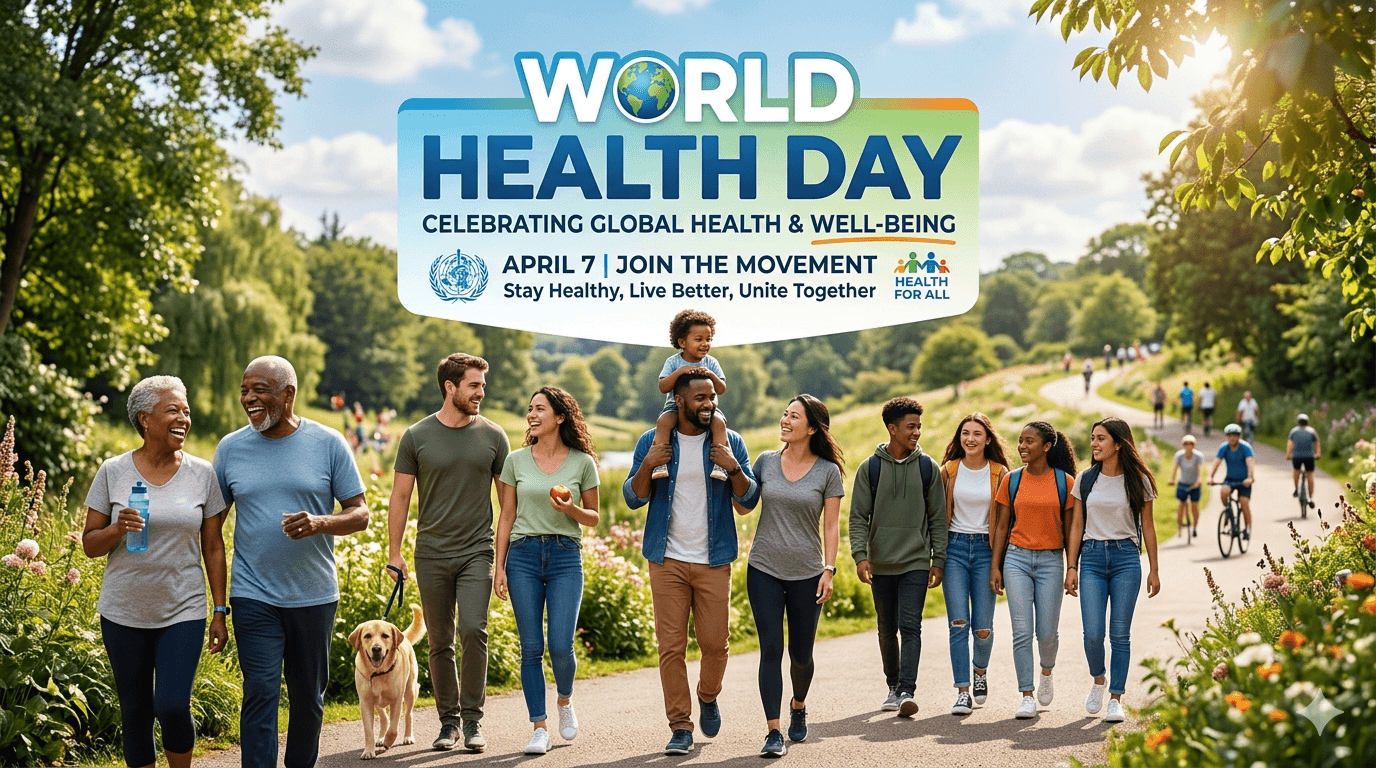
World Health Day is celebrated annually on April 7 and is led by the World Health Organization (WHO) to raise awareness of major global health issues affecting people worldwide. Each year, the campaign focuses on a specific health topic ranging from mental health and chronic disease to access to essential health services.
Beyond being a global awareness initiative, World Health Day sets the stage for ongoing improvement in public health worldwide. This commitment is evident in the annual focus on essential topics and the drive for community well-being through access to care and early intervention.
What Is World Health Day?
World Health Day is a global health awareness day organized by the World Health Organization and observed in many countries every year on April 7. It marks the founding of the WHO in 1948 and brings worldwide attention to pressing public health concerns.
Each year’s theme focuses on a specific health topic, encouraging governments, healthcare providers, and communities to take action to improve health outcomes worldwide.
Why World Health Day Is Important for Global Health
World Health Day plays a major role in raising awareness about the challenges facing the world’s population and driving global efforts to improve access to healthcare.
Despite progress, significant gaps remain. More than half of the world’s population still lacks access to essential health services, and many individuals experience financial hardship when seeking care. Chronic conditions such as diabetes and high blood pressure continue to rise, while mental health remains underdiagnosed and stigmatized in many communities.
These challenges highlight the need for stronger public health systems, increased support for health workers, and expanded access to quality health services. World Health Day helps bring these issues to the forefront, encouraging action at both a global and local level.
Why Preventive Care Matters
Preventive care is a key part of maintaining long-term health and reducing the risk of serious illness. Many conditions, such as high blood pressure, diabetes, and other chronic diseases, can develop without noticeable symptoms in the early stages.
Regular screenings and routine medical evaluations allow healthcare providers to detect potential issues early, often before they become more complex or require intensive treatment. Early detection can lead to better outcomes, more effective treatment, and fewer long-term complications.
By identifying risk factors early and monitoring changes over time, preventive care helps individuals stay ahead of potential health concerns and make informed decisions about their health.
How to Observe World Health Day
World Health Day is more than just a global campaign; it’s an opportunity for individuals, families, and communities to take meaningful steps toward better health and well-being. Celebrated in many countries, the day encourages people to focus on both personal and broader public health.
There are many simple and impactful ways to participate:
- Schedule a health checkup.
Preventive care plays a key role in maintaining good health. Routine visits can help detect conditions like high blood pressure, diabetes, and other illnesses early. - Prioritize mental health
Mental health is an essential part of overall well-being. Taking time to reduce stress, talk to someone, or seek support can improve both emotional and physical health. - Adopt healthier daily habits.
Eating a balanced diet, staying physically active, and maintaining proper hygiene can support a healthier body and reduce long-term health risks. - Support your community
Local authorities and organizations often host events, workshops, and awareness campaigns. Participating in these efforts promotes public health and strengthens community support. - Raise awareness
Sharing information about global health challenges, such as access to healthcare, disease prevention, and environmental risks, can help reduce stigma and encourage action. - Support health workers
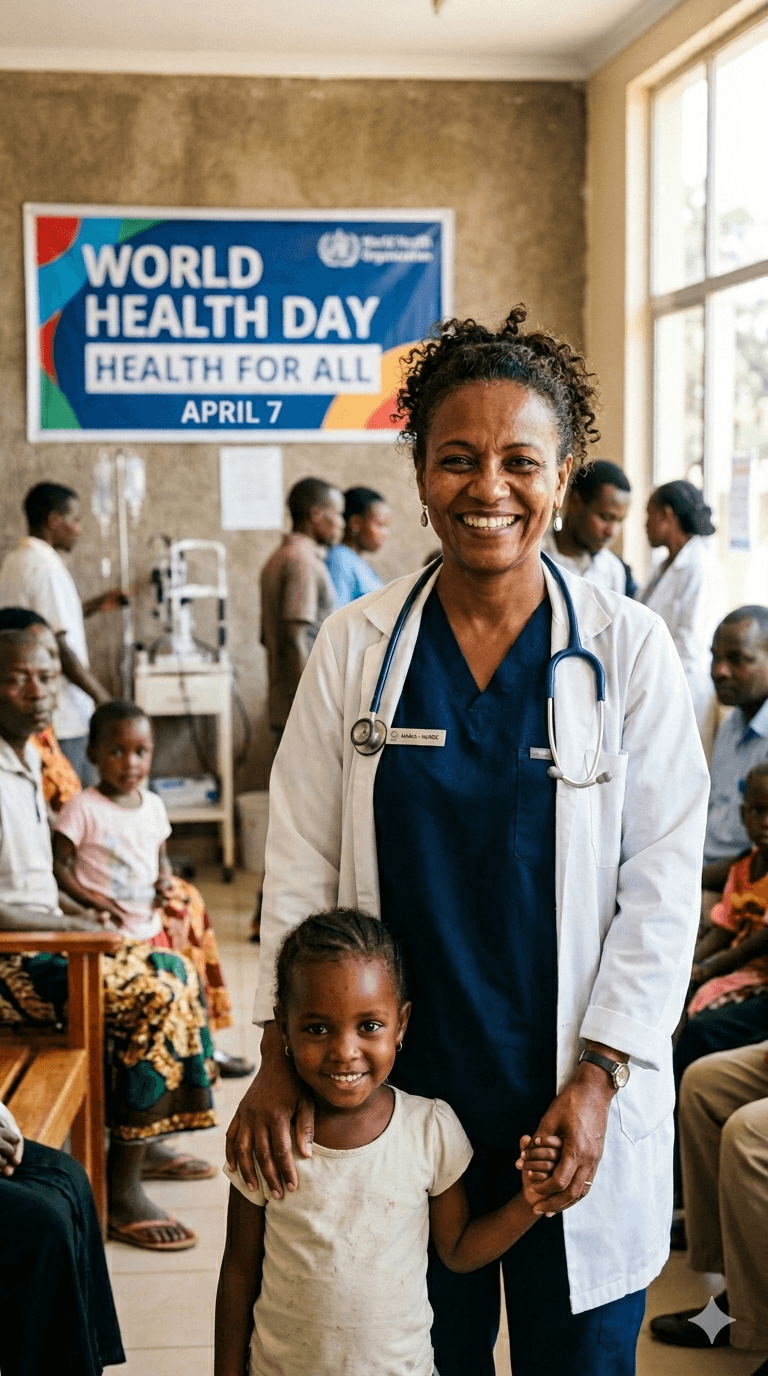
Recognizing the contributions of healthcare professionals, including nurses and midwives, underscores the importance of those who deliver essential health services every day.
Even small actions can contribute to global efforts to improve health outcomes and create healthier, more hopeful futures.
Taking care of your health doesn’t have to be complicated. Whether you’re managing a condition, experiencing symptoms, or simply staying proactive, getting the right care at the right time is essential.
How +MEDRITE Supports Community Health
At +MEDRITE Urgent Care, we are committed to improving health outcomes by providing accessible, high-quality care to individuals and families.
Our approach focuses on early detection, preventive care, and timely treatment for a wide range of health concerns. By offering convenient access to healthcare, we help patients address issues early and maintain their overall well-being.
When Should You Seek Medical Care?
World Health Day is a reminder to stay proactive about your health, but knowing when to seek care is just as important.
You should consider getting evaluated if you experience:
While many health concerns may be minor, early evaluation can help prevent more serious complications and ensure you receive the appropriate treatment. If you’re experiencing symptoms or simply want to stay on top of your health, it’s best to get checked sooner rather than later. |
 |
Taking Action for a Healthier Future
World Health Day serves as a powerful reminder that improving health starts with awareness, but real change happens through action. From global initiatives led by the World Health Organization to care provided in local communities, everyone plays a role in building a healthier world.
Whether you’re making lifestyle changes, supporting your family, or prioritizing your own well-being, every step matters. Consistent, proactive care can lead to better outcomes and a higher quality of life.
If you need care, guidance, or peace of mind, +MEDRITE is here to help.
Walk in or book an appointment, both options are available.