

RSV (respiratory syncytial virus) is a highly contagious respiratory virus that spreads easily in households, especially during RSV season. While many people experience mild cold-like symptoms such as a runny nose, congestion, and cough, RSV can lead to severe illness in infants, older adults, and individuals with chronic health conditions.
Because RSV spreads through close contact and contaminated surfaces, prevention at home focuses on reducing exposure and limiting contamination. Consistent hygiene habits, thoughtful cleaning routines, and extra precautions for higher-risk family members can significantly reduce the risk of infection.
How RSV Spreads Inside the Home
RSV spreads primarily through respiratory droplets when an infected person coughs, sneezes, or talks. These droplets can land on nearby surfaces or be transferred through close contact, such as hugging, kissing, or sharing items.
The virus can live on hard surfaces like crib rails, toys, countertops, remotes, and doorknobs for several hours. It can also survive on hands long enough to spread from one person to another.
Common sources of household contamination include:
- Touching surfaces after someone coughs or sneezes
- Wiping a child’s nose and then touching shared objects
- Sharing cups, utensils, towels, or bedding
- Close contact with someone who has mild symptoms
Because RSV is highly contagious, even minor cold-like symptoms can lead to spread within the home.
Daily Cleaning to Reduce RSV Contamination
Regular cleaning is one of the most effective RSV precautions you can take.
High-touch surfaces should be disinfected daily during RSV season and more frequently if someone in the household is sick. Focus on areas that are touched often, including kitchen counters, bathroom surfaces, light switches, toys, phones, crib rails, and remote controls.
Use disinfectants according to manufacturer instructions and allow appropriate surface contact time. Wash your hands thoroughly after cleaning to prevent cross-contamination.
Avoid sharing personal items such as utensils, drinking glasses, towels, and bedding while someone is sick. Consistent cleaning reduces viral buildup and lowers the risk of household transmission.
Hand Hygiene and Personal Habits
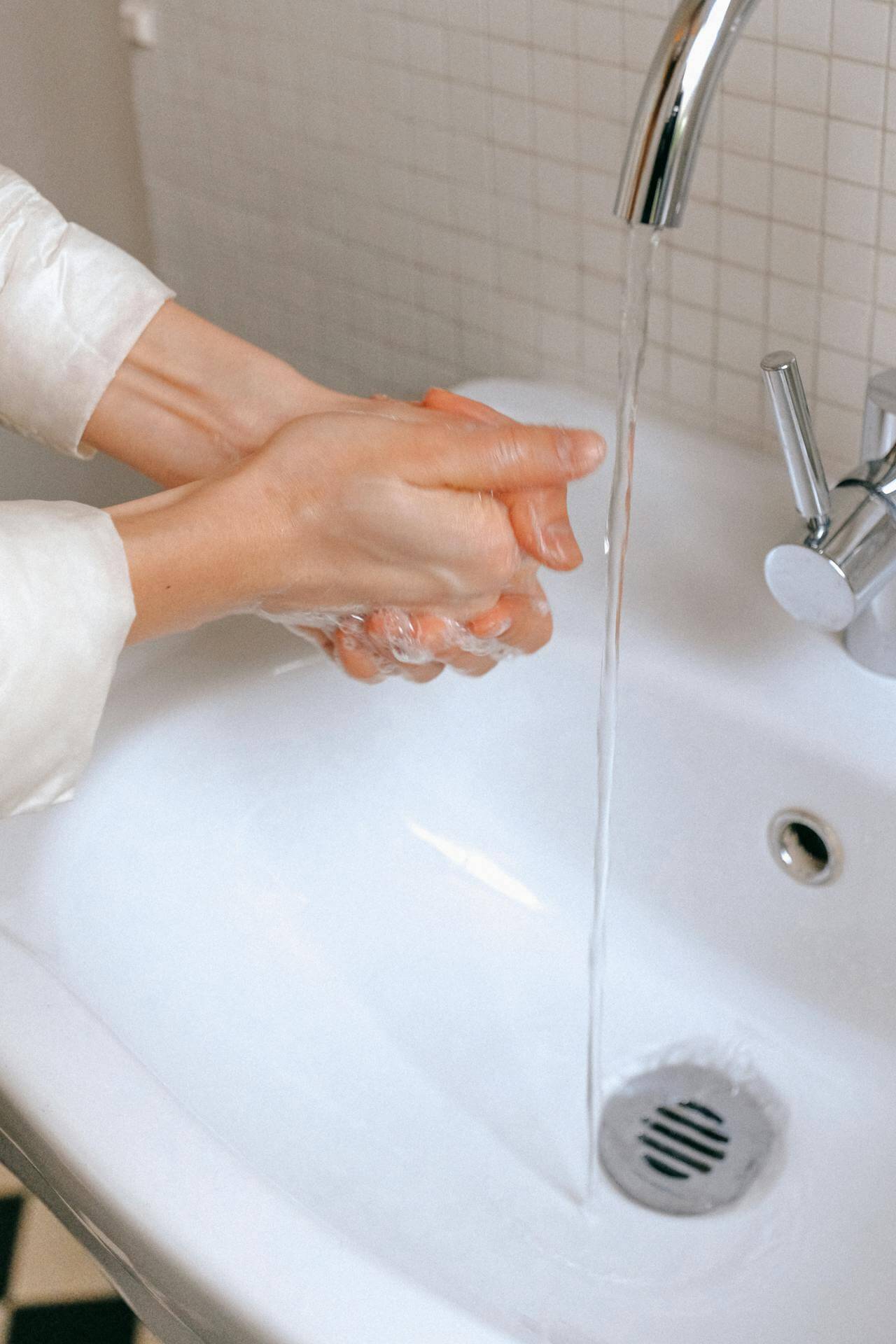
| Handwashing remains the most important way to prevent RSV infection.
Wash your hands with soap and water for at least 20 seconds:
If soap and water are unavailable, use alcohol-based hand sanitizer. Avoid touching your eyes, nose, and mouth whenever possible, as these are common routes of infection. |
 |
Teaching children these habits early helps reduce contamination throughout the household.
Reducing Close Contact During Illness
If someone in the home develops symptoms, early precautions can help prevent RSV spread.
Avoid kissing infants on the face, sharing utensils, or sleeping in proximity when possible. Dispose of used tissues promptly and wash hands after contact with respiratory secretions.
Even mild symptoms, such as a stuffy nose or a light cough, can spread RSV, so proactive home isolation may help protect other family members.
Protecting High-Risk Family Members from RSV
While RSV often causes mild illness, certain family members face a higher risk of severe RSV disease. Infants, older adults, and individuals with chronic heart disease, lung disease, or weakened immune systems are more vulnerable to complications such as breathing difficulties or pneumonia.
Because RSV spreads easily in households, prevention strategies should be tailored to protect those at higher risk.
RSV Precautions by Age and Risk Level
| Group | Why They’re at Higher Risk | At-Home Precautions to Reduce Contamination |
| Newborns & Infants (especially under 6 months) | Small airways; the immune system is still developing | Limit visitors during RSV season; wash hands before holding baby; clean crib rails and toys daily; avoid crowded indoor spaces; keep baby items separate from siblings |
| Toddlers & Young Children | Frequently touch surfaces and spread germs unknowingly | Encourage frequent handwashing; disinfect toys regularly; avoid sharing drinks/snacks; teach covering coughs; keep home when sick |
| Older Adults (60+) | Weakened immune system; higher risk of severe illness | Minimize exposure to sick individuals; avoid large gatherings; increase cleaning frequency; maintain consistent hand hygiene |
| Adults with Chronic Conditions (COPD, heart disease, lung disease) | Increased risk of severe RSV infection | Limit close contact with infected individuals; avoid tobacco smoke; disinfect high-touch surfaces daily; monitor early respiratory symptoms |
If a High-Risk Person Is Exposed
If someone at higher risk has been exposed to RSV:
- Monitor for early symptoms such as cough, congestion, or fever
- Increase cleaning frequency immediately
- Limit additional exposures
- Contact a healthcare provider if breathing changes occur
Early action can help prevent severe illness.
Improving Indoor Air Quality
Good airflow can help reduce the concentration of respiratory viruses indoors.
Opening windows when the weather permits, using air purifiers with HEPA filters, and maintaining moderate humidity levels may help improve respiratory comfort. A cool-mist humidifier may help relieve congestion when someone is sick, though it does not prevent infection.
Avoid exposure to tobacco smoke, as smoke irritates the lungs and may increase susceptibility to respiratory illness.
What About Pets?
Pets do not transmit RSV to humans. However, they can carry dirt, dander, and outdoor contaminants into the home, potentially affecting indoor air quality and surface cleanliness.
Keeping pet areas clean can support overall respiratory health, especially for infants, older adults, and individuals with chronic lung conditions.
To maintain a cleaner environment during RSV season:
- Wash pet bedding regularly
- Clean feeding areas and toys
- Vacuum pet-heavy areas frequently
- Groom pets to reduce dander buildup
- Keep pets off cribs, bassinets, and baby play areas
While pets are not a source of RSV infection, maintaining good pet hygiene helps keep a household cleaner and supports overall prevention efforts.
RSV Vaccination and Prevention Options
Vaccination is now an important part of RSV prevention strategies for certain populations. RSV vaccines are available for specific adult groups, particularly older adults and individuals at increased risk for severe RSV illness. Pregnant women may also have vaccination options that help protect newborns after birth.
While +MEDRITE Urgent Care does not administer RSV vaccines onsite, our healthcare providers can evaluate your risk factors and facilitate referrals to clinics or medical providers that offer RSV vaccination. If you are unsure whether you qualify for an RSV prevention shot or preventive medication, we can guide you toward the appropriate next steps.
Speaking with a healthcare provider ensures vaccination decisions are based on age, health conditions, and individual risk factors.
Supporting Recovery While Preventing Spread
If RSV infection occurs, most people recover with supportive care at home. Rest, fluids, and fever management help the body fight infection.
Continue disinfecting surfaces, laundering bedding, and practicing hand hygiene while someone is sick. Encourage hydration to prevent dehydration.
Monitoring symptoms is important. While many cases remain mild, worsening breathing symptoms require medical attention.
When to Seek Medical Care
Seek medical care if someone develops:
- Trouble breathing
- Wheezing
- High fever
- Severe or worsening cough
- Signs of dehydration
- Symptoms that worsen instead of improve
Emergency care is necessary for severe breathing difficulty, bluish lips or face, confusion, or signs of serious illness.
Why Choose +MEDRITE Urgent Care
+MEDRITE RSV Urgent Care provides same-day evaluation and testing for RSV and other respiratory illnesses. If symptoms worsen or you are concerned about exposure, our healthcare providers can assess risk factors and guide appropriate treatment.
Walk-ins are welcome, and appointments are available.