
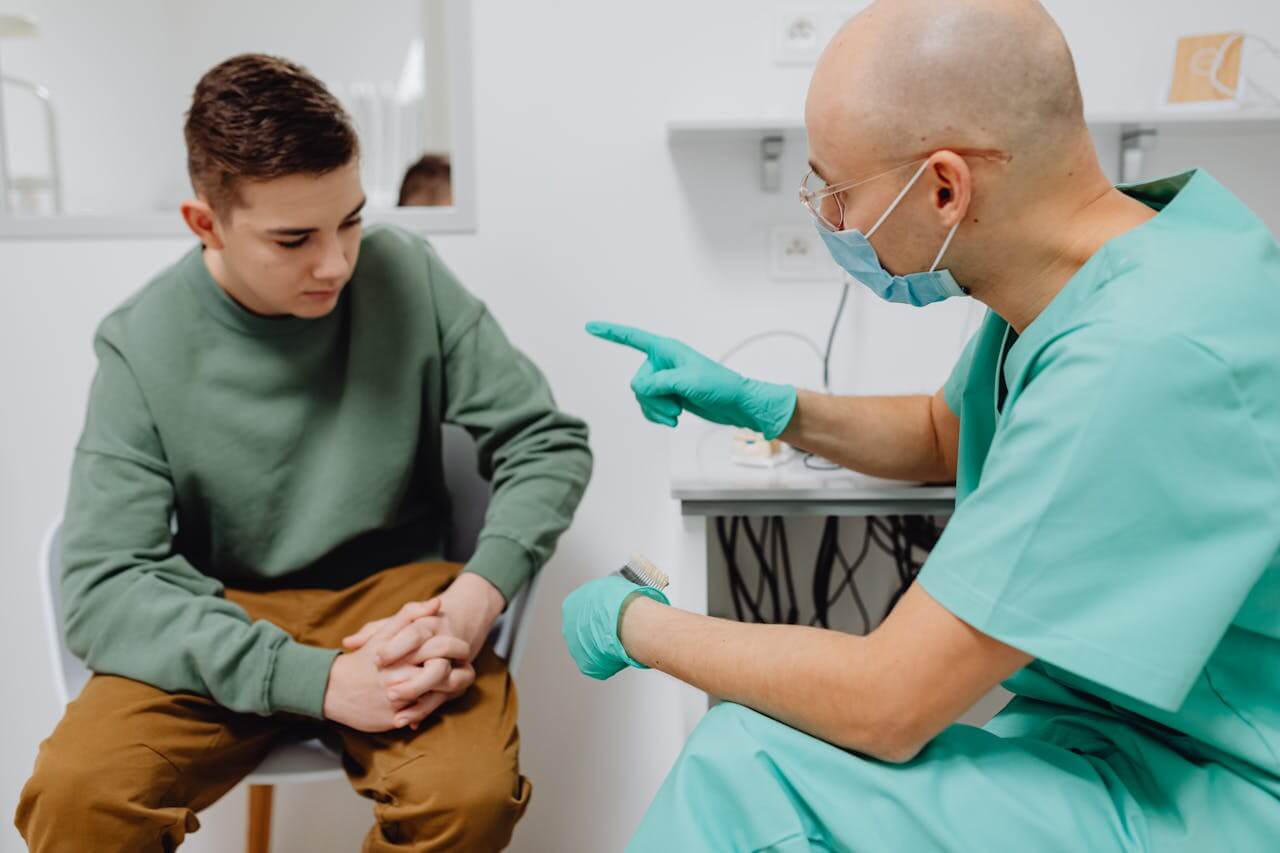
Respiratory syncytial virus (RSV) is a common respiratory virus that affects people of all ages. While RSV is often associated with young infants and older adults, RSV in teens and young adults is more common than many people realize. In most healthy teenagers and young adults, RSV causes mild, cold-like symptoms, but in some cases it can lead to more serious respiratory illness.
RSV symptoms in teens may start subtly and resemble a common cold. Because RSV can overlap with other respiratory viruses, it’s important to understand RSV symptoms, how the infection progresses, and when medical care may be needed, especially for those with underlying health conditions.
What Is RSV in Teens and Young Adults?
RSV is a respiratory syncytial virus infection that affects the respiratory tract. It spreads easily through respiratory droplets, close contact with an infected person, and contaminated surfaces. RSV is a common illness in schools, sports settings, and social environments where close contact is frequent.
In teens and young adults, RSV usually affects the upper respiratory tract, causing cold-like symptoms. In some cases, the virus can spread to the lower respiratory tract, leading to breathing difficulties or more severe RSV disease.
RSV Symptoms in Teens and Young Adults
RSV symptoms in teenagers often resemble those of the common cold, especially early in the illness. Many teens experience runny noses, sore throats, congestion, and fatigue. RSV coughs are common and may linger longer than expected.
Most healthy teens have mild symptoms and recover without complications. However, RSV symptoms can worsen over several days, particularly in individuals with weakened immune systems or chronic medical conditions. Monitoring breathing and overall energy level is important as the illness progresses.
RSV Symptoms in Teens vs Young Adults
RSV symptoms in teens and young adults are often similar, but symptom severity and recovery patterns may differ slightly based on overall health, immune strength, and underlying conditions.
| Symptom | RSV in Teens | RSV in Young Adults |
|---|---|---|
| Runny nose/congestion | Common early symptoms | Common early symptoms |
| Sore throat | Frequently reported | Common |
| Cough | Often persistent, may linger | May linger, sometimes a deeper cough |
| Fever | Low-grade or none | Low-grade to moderate |
| Fatigue | Mild to moderate | May feel more pronounced |
| Chest tightness | Possible with wheezing | More common if asthma present |
| Wheezing | Can occur, especially in teens with asthma | Less common in healthy adults |
| Breathing difficulty | Uncommon in healthy teens | More likely if a chronic lung condition is present |
| Duration | Usually 1–2 weeks | 1–2 weeks; lingering cough possible |
How RSV Progresses in Teens and Young Adults
RSV infection often begins with cold-like symptoms such as a runny nose, sore throat, and mild cough. Over time, coughing may worsen, and breathing symptoms may develop if the virus affects the lower respiratory tract.
For most teens and young adults, symptoms peak within several days and gradually improve. Lingering cough or fatigue may persist for up to four weeks as the respiratory tract heals, even after other symptoms resolve.
How Long Does RSV Last in Teens?
In most cases, RSV lasts one to two weeks in teenagers and young adults. Mild symptoms often improve first, while cough and fatigue may linger. If symptoms worsen instead of improving, or last longer than expected, a healthcare provider should evaluate the illness.
Who Is at Higher Risk for Severe RSV?Although RSV is usually mild in healthy teens, some individuals have an increased risk of severe RSV disease. Higher-risk groups include teens and young adults with asthma, chronic lung disease, heart disease, severe obesity, neuromuscular disorders, or weakened immune systems. RSV can also be more serious for individuals with a heart or lung condition or certain chronic medical conditions. In rare cases, RSV may lead to severe respiratory illness requiring hospitalization. |
 |
When to Seek Medical Care for RSV
Medical attention should be considered if RSV symptoms worsen or interfere with breathing, hydration, or daily activities. Warning signs include difficulty breathing, chest tightness, persistent high fever, or worsening cough.
Seek emergency care for severe difficulty breathing, bluish lips or face, confusion, or sudden decline in alertness. Early evaluation can help prevent complications.
How RSV Is Diagnosed in Teens and Young Adults
Doctors diagnose RSV based on symptoms, medical history, and a physical exam focused on breathing and lung sounds. Oxygen levels may be checked if breathing problems are present.
RSV testing may be used to confirm RSV, especially when symptoms overlap with other respiratory viruses such as flu or COVID. Testing helps guide appropriate care and monitoring.
RSV Treatment for Teens and Young Adults
RSV is a viral infection, so there is no specific antiviral treatment for most cases. Treatment for RSV focuses on supportive care, including rest, hydration, fever management, and monitoring symptoms.
In more severe cases, treatment may include supplemental oxygen, IV fluids, or hospital care. Antibiotics are not used unless a secondary bacterial infection is suspected.
How RSV Spreads Among Teens and Young Adults
RSV spreads easily through respiratory droplets, close contact, and shared items such as drinks or utensils. Teens may remain contagious for several days, even with mild symptoms.
Covering coughs, frequent handwashing, and avoiding close contact when sick can help prevent RSV infection and protect vulnerable populations such as young infants and older adults.
RSV Prevention and Vaccination
Preventing RSV involves reducing exposure and supporting immune health. Avoiding tobacco smoke, practicing good hygiene, and limiting contact with infected individuals during RSV season are important steps.
RSV vaccines are available for certain populations, including older adults and pregnant women. Teens with specific health conditions should talk with a healthcare professional about RSV prevention options.
Read about: How to Create an RSV-Free Environment in Your Home
Why Choose +MEDRITE Urgent Care for RSV in Teens
+MEDRITE RSV Urgent Care provides same-day evaluation for RSV symptoms in teens and young adults. Our providers assess breathing problems, identify risk factors for severe disease, and guide appropriate treatment. Walk-ins are welcome, and appointments are available.
Frequently Asked Questions
Can teens and young adults get RSV more than once?
Yes. Teens and young adults can get RSV more than once because immunity after a respiratory syncytial virus infection is not long-lasting. Repeat infections are common and are usually milder, but symptoms such as cough and congestion can still occur.
How long is RSV contagious in teens and young adults?
RSV is typically contagious for about 3 to 8 days, but some individuals may remain contagious slightly longer. Teens and young adults can spread RSV even when symptoms are mild. Practicing good hygiene and avoiding close contact while sick helps reduce transmission.
Can teens spread RSV to babies or older adults?
Yes. Teens can spread RSV to young infants, older adults, and other high-risk individuals through respiratory droplets and close contact. Because RSV may cause only mild symptoms in healthy teens, they may unknowingly transmit the virus to more vulnerable family members.
Can RSV cause a lingering cough in teens?
Yes. A lingering cough is common after an RSV infection, even after other symptoms have improved. This can last for several weeks as the respiratory tract heals, especially if the small airways were irritated.
Are teens with asthma at higher risk for RSV complications?
Yes. Teens with asthma or other chronic lung conditions may have an increased risk of wheezing, breathing difficulties, or more severe RSV illness. Monitoring symptoms closely and seeking medical care if breathing worsens is important.