
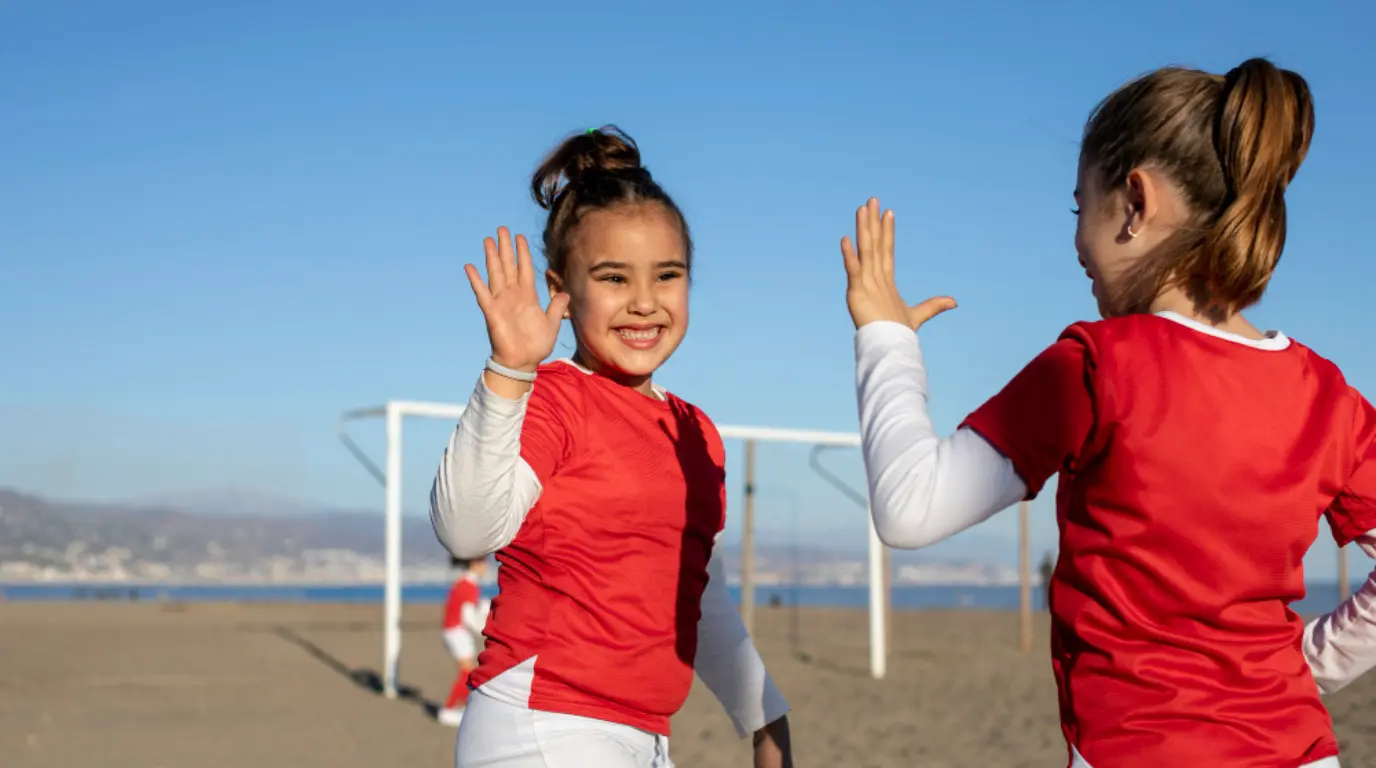
Summer sports can be a highlight of the year. Kids get outside, build skills, spend time with friends, and burn off energy. But summer heat changes the safety picture fast. A practice that feels manageable in mild weather can become risky when the temperature rises, humidity climbs, and the sun stays strong for hours.
Children and teens are not always quick to notice the early signs of heat stress. They may want to push through fatigue, ignore thirst, or stay quiet because they do not want to sit out. That is why parents, coaches, camp staff, and older athletes all need a simple plan for staying safe in the heat.
It’s important to understand why summer heat affects athletes differently.
Hot weather puts extra strain on the body.
During exercise, muscles create heat. The body tries to cool down by sending more blood to the skin and by sweating.
When the air is hot and humid, that cooling system works less well. The result can be dehydration, muscle cramps, heat exhaustion, or, in severe cases, heat stroke.
Children can be especially vulnerable because they may not pace themselves well, forget to drink enough, or not recognize when they are getting into trouble.
Long tournaments, double practices, dark uniforms, heavy gear, and all-day camps can further increase the risk.
With these risks in mind, it helps to recognize the warning signs of heat illness.
Heat illness does not always start with dramatic symptoms. Early signs may include:
- unusual fatigue
- headache
- dizziness
- muscle cramps
- nausea
- heavy sweating
- irritability
- weakness
A child may look flushed, move more slowly, or say they feel off. More serious danger signs include:
- confusion
- fainting
- vomiting
- trouble walking
- very hot skin
- a change in mental status.
Those symptoms need immediate attention. If a child seems severely ill, emergency care is the right next step.
Start with hydration, but do not stop there.
Hydration matters, but heat safety is bigger than simply telling kids to drink water.
Children should start activity already hydrated, take regular drink breaks, and continue drinking after practice or camp ends. Waiting until a child feels very thirsty can be too late.
Parents can help by sending a filled water bottle, encouraging kids to drink at breakfast, and asking coaches or camp staff how breaks are handled during hot weather.
For long or intense sessions, especially those with heavy sweating, coaches may also give guidance on sports drinks, but plain water is often the main tool for routine sessions.
Adapting matters more than many families realize
One of the biggest mistakes in summer sports is doing too much too soon. The body needs time to adapt to heat. A child who has mostly been indoors cannot safely jump into long, intense outdoor practices on day one.
A gradual increase in activity, time outdoors, and gear load helps the body adjust. This process is called acclimatization. It is one reason the first days of camp, preseason training, or a new practice block deserve extra caution.
Coaches should ease kids in, not test toughness with the harshest possible workout right away.
Choose the coolest parts of the day.
Morning and evening are usually safer than midday. When possible, practices, conditioning, and backyard training sessions should be moved away from the hottest hours of the day. Shade breaks also matter. A short rest under cover can lower the heat burden more than many people think.
Parents should not hesitate to ask how a camp or team handles extreme heat. A good program has a plan. That may include moving drills indoors, shortening sessions, increasing breaks, changing uniforms, or canceling the activity when conditions become unsafe.
Dress for the weather and the sport.
Lightweight, breathable clothing helps the body cool itself. Extra caution is needed with sports that use pads, helmets, catchers’ gear, or other heavy equipment, because that gear traps heat. Coaches may need to scale back the activity when players are wearing full equipment in high temperatures.
Sunscreen, hats during breaks, and access to shade also help reduce overall stress on the body. Heat safety and sun safety go hand in hand.
Know which kids need extra caution.
Some children need more careful planning in the heat. That includes kids with asthma, recent illness, obesity, poor sleep, little recent conditioning, or a history of heat illness. Certain medications can also affect how the body handles heat or hydration.
This does not mean these kids cannot play. It means adults should think ahead. A simple conversation with a healthcare provider before camp or summer training can help families plan around medications, rescue inhalers, allergy concerns, hydration goals, and return-to-play timing after illness.
DO NOT ignore recent illnesses.
A child who recently had a fever, vomiting, diarrhea, or a viral illness may not be ready for a hard outdoor workout right away. Even if they are eager to get back, their body may still be recovering.
The same is true if a child has not been drinking well or is sleeping poorly.
A smart return to activity should be gradual. If a parent is not sure whether a child is ready for sports camp, a pre-camp physical can be a helpful checkpoint.
What can parents ask coaches and camps?
A few simple questions can reveal a lot about a program’s safety habits.
- How often are water breaks built in?
- What happens when the heat index rises?
- Are there shaded rest areas?
- How do staff respond if a child feels dizzy or sick?
- Is there a plan for kids with asthma, allergies, or recent injuries?
Parents do not need to sound alarmed to ask these questions. Heat safety is part of good coaching and good camp planning. The best programs expect families to ask.
Summer sports should be fun, not dangerous. Most heat-related problems can be reduced with smart planning, early warning signs, steady hydration, rest breaks, gradual conditioning, and a willingness to slow down when the weather demands it.
Get your child ready with a sports camp physical at +MEDRITE.
If your child is heading to sports camp, day camp, or a summer program packed with outdoor activity, it is worth thinking ahead.
The right physical exam, the right forms, and the right heat-safety plan can help kids stay safer while they enjoy the season. And +MEDRITE can help ensure your child goes into the summer prepared for anything.
A camp physical is not just about paperwork. It is a chance to review the child’s health before long days of sports, swimming, hiking, outdoor games, and hot weather.
Providers can review medical history, check vital signs, discuss asthma or allergy plans, look at recent injuries, and answer practical questions about safe participation.
+MEDRITE’s camp physicals can also cover immunization review, medications, allergies, and the forms many camps require. For families trying to get ahead of the season, that visit can be a useful way to spot concerns before the hottest part of summer begins.