
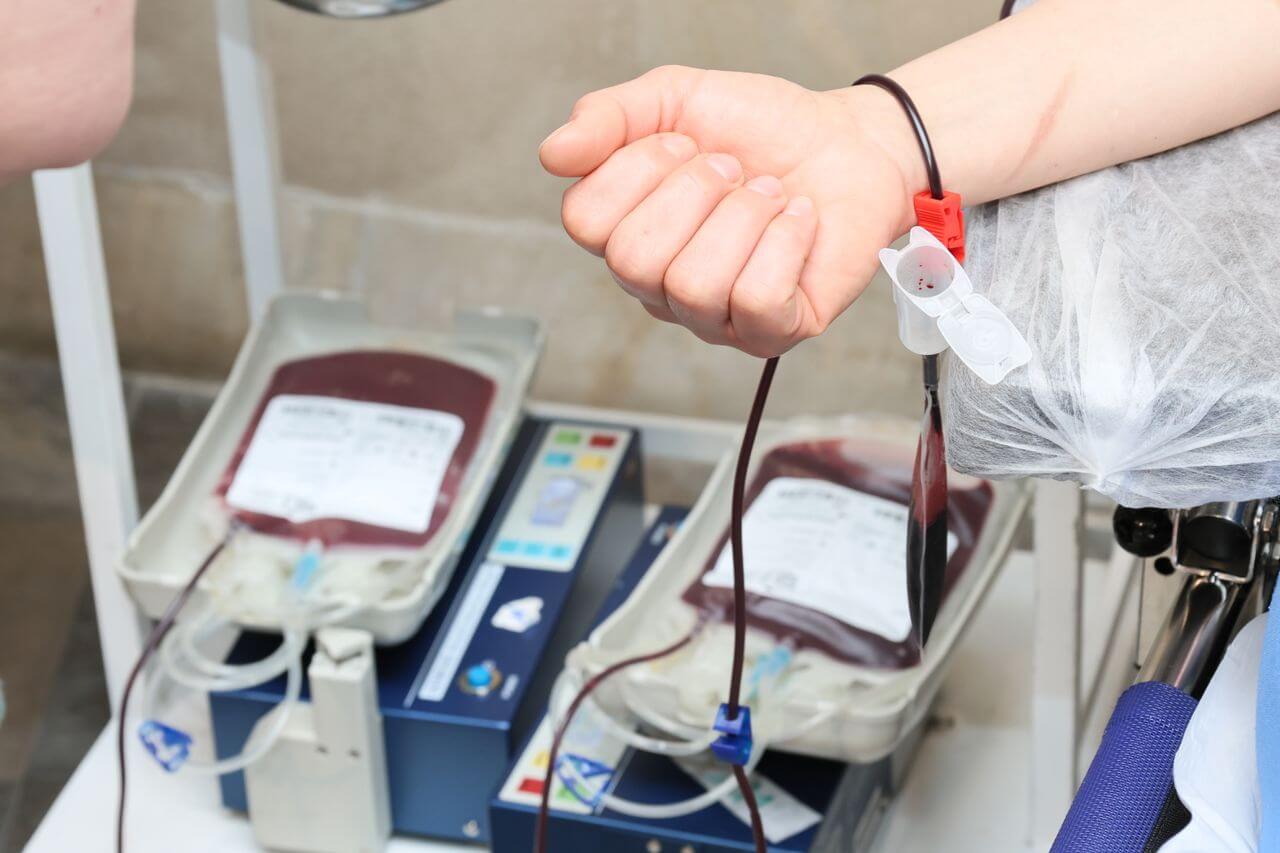
Donating blood is one of the simplest ways to help save lives in your community. Every day, hospitals rely on blood donations to support patients undergoing surgery, receiving cancer treatment, recovering from injuries, or managing chronic health conditions. Despite the ongoing need, many blood centers continue to experience shortages year-round.
If you’re considering donating blood for the first time, it’s completely normal to feel a little nervous or have questions about what to expect. Understanding the donation process, eligibility requirements, and preparation tips can help you feel more confident and make your first blood donation a positive experience.
Why Blood Donation Matters
A single blood donation can help multiple patients, depending on how the donated blood is processed and used. Blood and blood products are critical for a wide range of medical treatments, and there is currently no substitute for donated human blood.
Blood donations support patients who may be:
- Recovering from traumatic injuries
- Undergoing surgery
- Receiving treatment for cancer
- Managing blood disorders or chronic illnesses
Because blood has a limited shelf life, healthcare systems depend on a steady supply of donations from volunteer blood donors. Regular donations help ensure that blood is available when emergencies happen and when patients need it most.
For many donors, knowing they can help save lives makes the experience especially meaningful and rewarding.
Who Can Donate Blood?
Eligibility requirements can vary slightly between donation centers, but most healthy adults can donate blood if they meet certain criteria.
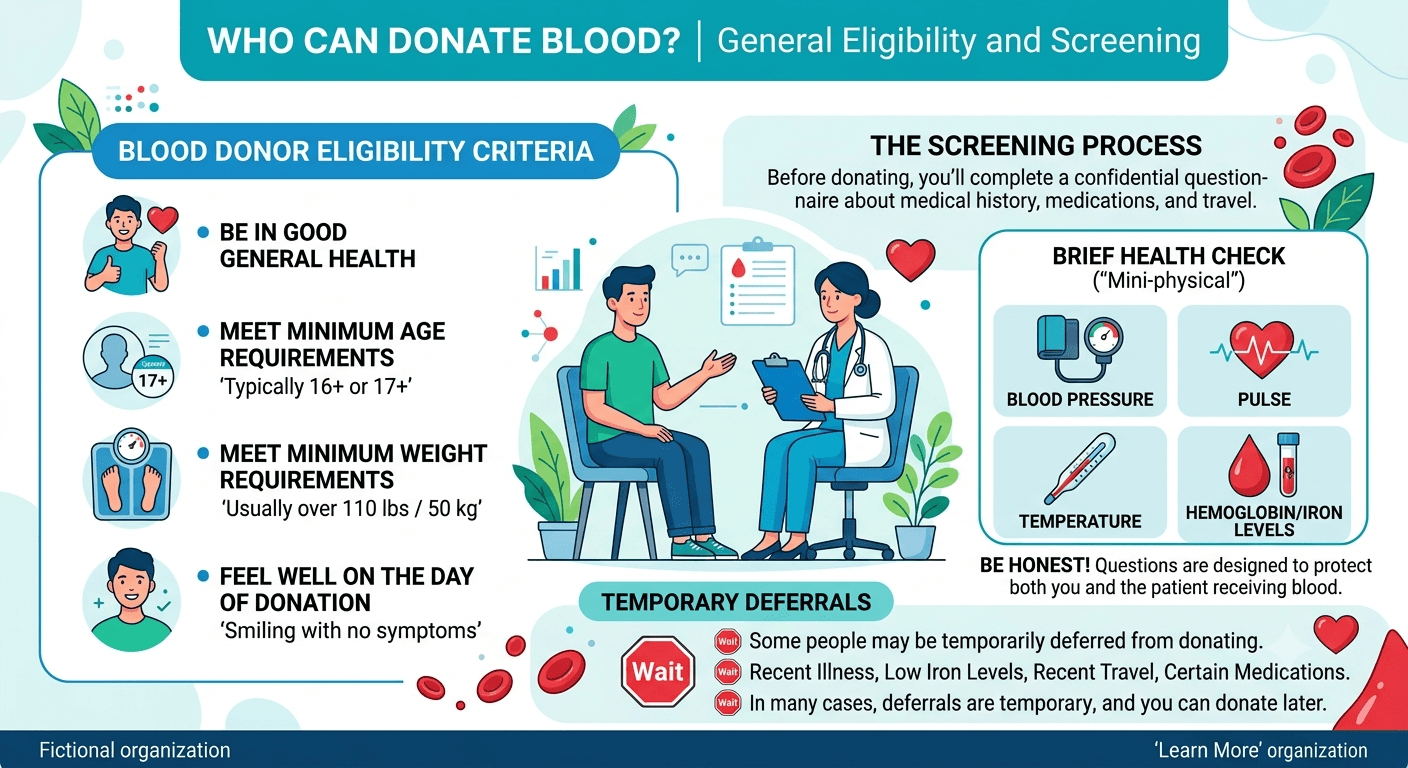
Generally, blood donors should:
- Be in good general health
- Meet minimum age requirements established by the donation center
- Meet minimum weight requirements
- Feel well on the day of donation
Before donating, you’ll complete a confidential questionnaire about your medical history, medications, recent travel, and other health factors. You’ll also undergo a brief health screening, sometimes called a mini-physical, which may include checking:
- Blood pressure
- Temperature
- Pulse
- Hemoglobin or iron levels
Being honest during the screening process is important. The questions are designed to protect both donors and the patients who receive donated blood.
Some people may be temporarily deferred from donating due to illness, low iron levels, recent travel, certain medications, or other health considerations. In many cases, these deferrals are temporary, and individuals may be eligible to donate at a later date.
How to Prepare Before Donating Blood
A little preparation can help create the best possible blood donation experience, especially for a first-time donor.
Quick Blood Donation Preparation Checklist
| Before You Donate | Why It Matters |
|---|---|
| Drink plenty of water | Helps support healthy blood flow and may reduce dizziness |
| Eat a healthy meal | Helps maintain energy levels during and after donation |
| Choose iron-rich foods | Supports healthy red blood cell production |
| Avoid alcohol | Helps prevent dehydration |
| Get adequate sleep the night before | Helps you feel your best on donation day |
| Bring a driver’s license or photo ID | Required for registration at most donation centers |
It’s also a good idea to avoid fatty foods immediately before your appointment, as they can sometimes affect certain blood tests performed on donated blood.
If you take prescription medications or have questions about your eligibility, contact the donation center in advance so they can provide guidance tailored to your situation.
What Happens During the Donation Process?
Knowing what to expect can help ease first-time nerves.
Registration and Health Screening
When you arrive, you’ll check in and provide identification, such as a driver’s license or other photo ID. You’ll then complete a health history questionnaire and meet with a staff member who will review your answers.
As part of the screening process, staff may check your blood pressure, pulse, temperature, and hemoglobin levels to confirm you’re eligible to donate that day.
The Donation
Once you’re cleared to donate, you’ll be seated comfortably while a trained professional prepares the donation area.
For a typical whole blood donation, a sterile needle is inserted into a vein, usually in your arm. Most people feel a brief pinch when the needle is inserted, but the donation process is generally well-tolerated.
The blood collection itself typically takes about 8 to 10 minutes, although the full appointment may last 45 minutes to an hour when registration and recovery time are included.
Recovery
After donating, you’ll spend a few minutes resting while enjoying a light snack and something to drink.
Donation center staff will monitor you briefly to ensure you’re feeling well before you leave. Most donors are able to resume normal daily activities shortly afterward.
Common Blood Donation Myths
First-time donors often hear conflicting information about blood donation. Let’s clear up a few common misconceptions.
Myth: Donating Blood Is Very Painful
Most donors report feeling only a quick pinch when the needle is inserted. The donation itself is usually not painful.
Myth: I’ll Feel Weak for Days
Many donors return to their normal routines the same day. Staying hydrated, eating a healthy meal, and following post-donation instructions can help support recovery.
Myth: I Can’t Donate If I Take Medication
Many medications do not automatically prevent someone from donating blood. Eligibility depends on the specific medication and the reason it is prescribed.
Myth: Blood Donation Takes All Day
While the entire appointment may take up to an hour, the actual blood collection portion usually takes only a few minutes.
Tips for After Your Donation
Taking care of yourself after donating can help you feel your best.
Continue to drink plenty of fluids during the next several hours and eat regular meals throughout the day. Your body will naturally replace the donated fluids and blood cells over time.
For the remainder of the day, it’s generally recommended to:
- Avoid heavy lifting or strenuous exercise
- Continue staying hydrated
- Eat balanced meals
- Rest if you feel tired
Some people may feel lightheaded after donating. If this happens, sit or lie down and drink fluids until you feel better.
Always follow any additional instructions provided by the donation center.
Frequently Asked Questions
Does donating blood hurt?
Most people experience only a brief pinch when the needle is inserted. The donation process itself is usually comfortable and closely monitored by trained staff.
How long does blood donation take?
A typical appointment lasts about 45 minutes to one hour, including registration, screening, donation, and recovery time.
Can I donate blood if I take medication?
Possibly. Many medications do not prevent donation, but eligibility varies. Check with the donation center if you’re unsure.
How often can I donate blood?
The timing depends on the type of donation. For example, whole blood donors typically need to wait several weeks between donations. Donation centers can provide specific guidance based on the type of donation.
What should I eat before donating blood?
A healthy meal that includes iron-rich foods and plenty of fluids is recommended. Avoid arriving on an empty stomach.
How +MEDRITE Supports Preventive Health
Maintaining your overall health is an important part of being eligible to donate blood and staying well year-round.
At +MEDRITE, patients can access preventive care services, wellness evaluations, physical examinations, and routine health screenings designed to help identify potential concerns early. Regular checkups can help you stay informed about important health measures such as blood pressure, cholesterol levels, and overall wellness. Routine screenings may also help identify prediabetes before symptoms become noticeable.
Urgent care centers can also provide a variety of non-emergency healthcare services beyond illness and injury treatment.
Our providers can also help address your health questions, review medical concerns, and recommend follow-up care when needed.
Walk-ins are welcome, and appointments are also available for added convenience.
Ready for Your First Blood Donation?
Donating blood for the first time may feel intimidating, but many donors find it to be a simple and rewarding experience. A little preparation, understanding the process, and knowing what to expect can help you feel more comfortable on donation day.
Whether you’re considering donating at a local blood drive or donation center, your contribution can make a meaningful difference for patients in need. By taking the time to donate, you’re helping support your community and ensuring that lifesaving blood is available when it’s needed most.