
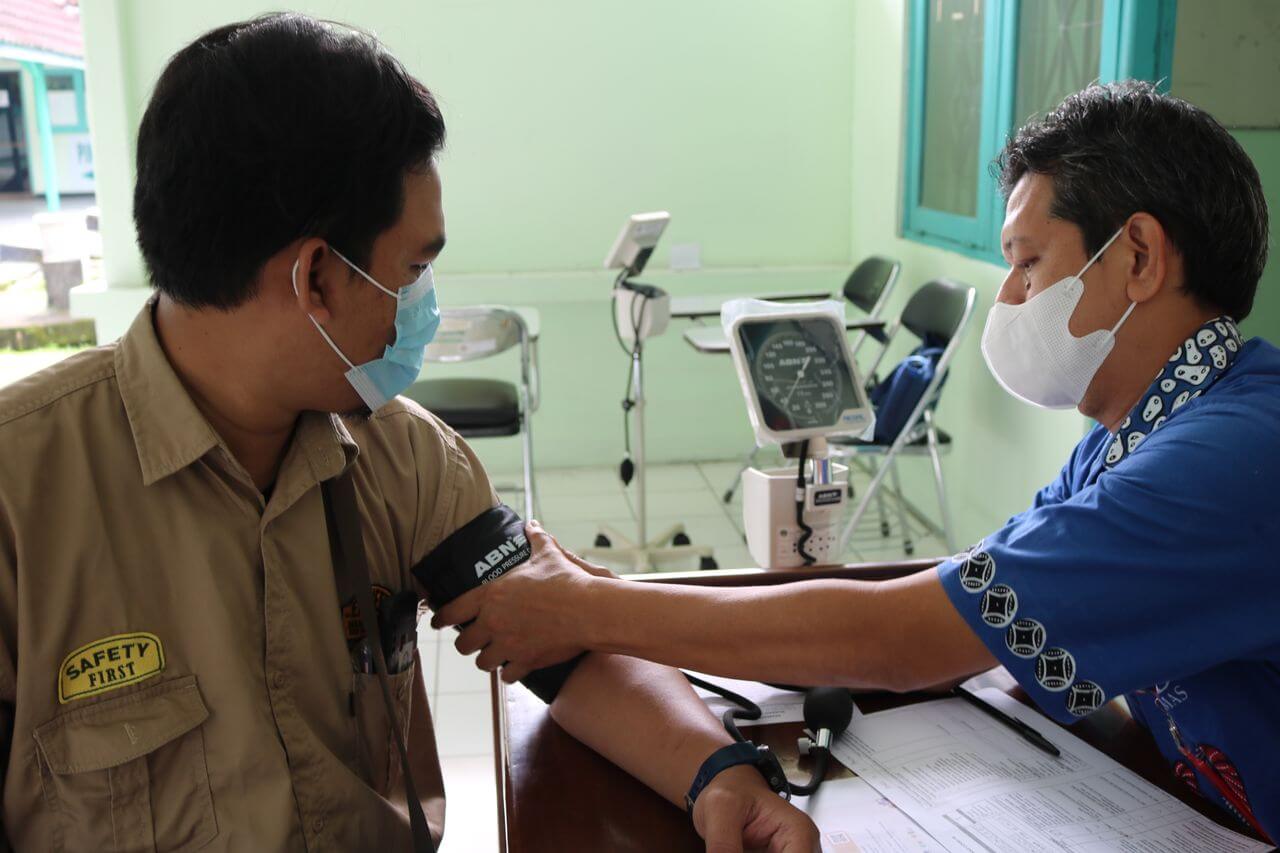
Many serious health conditions develop quietly, often without noticeable symptoms in their early stages. High blood pressure, high cholesterol, diabetes, and certain cancers can progress for years before causing obvious health concerns. That’s why routine preventive care and regular health screenings are important for maintaining long-term wellness.
A health screening for men is designed to identify potential health issues before they become more serious. Screening needs can vary based on age, lifestyle, personal and family history, and other risk factors. Understanding which screenings may be appropriate and how often they should be performed can help men take a proactive approach to their health.
Why Health Screenings Matter
Routine health screenings play an important role in preventive care. Many chronic health conditions are easier to manage when detected early, often before symptoms develop. Early identification may help reduce the risk of complications, improve treatment outcomes, and support overall quality of life.
Regular screenings can help identify:
- High blood pressure
- High blood sugar
- Elevated blood cholesterol
- Certain cancers
- Mental health concerns
- Infectious diseases
Screening recommendations are based on factors such as age, family history, lifestyle habits, and known risk factors. Your healthcare provider can help determine which screening tests are appropriate for your individual health needs.
Common Health Screenings Every Man Should Consider
Blood Pressure Screening
High blood pressure is one of the most common health conditions affecting adults and often develops without symptoms. Left untreated, it can increase the risk of heart disease, stroke, and other cardiovascular disease complications.
Most adults should have regular blood pressure screening during routine healthcare visits. Men with high blood pressure, obesity, diabetes, or other risk factors may require more frequent monitoring.
Cholesterol and Heart Health Screening
Cholesterol screening helps evaluate blood cholesterol levels and assess the risk of coronary heart disease and other cardiovascular conditions.
Simple blood tests can identify elevated cholesterol levels before symptoms occur. Depending on your age, family history, and other risk factors, your healthcare provider may recommend screening at regular intervals.
Blood Glucose and Diabetes Screening
High blood sugar can develop gradually and may not cause noticeable symptoms during the early stages. Screening can help identify prediabetes or diabetes before complications occur.
Men who are overweight, have a family history of diabetes, or have other known risk factors may benefit from more frequent screening. The American Diabetes Association provides guidance on screening recommendations based on individual risk.
Mental Health Screening
Physical health is only one part of overall wellness. Mental health screenings can help identify concerns such as anxiety, depression, chronic stress, and other emotional challenges that may affect daily life.
Regular conversations with a healthcare provider can help address concerns early and connect patients with appropriate support when needed.
STI and Infectious Disease Screening
Sexually active adults may benefit from screening for certain infectious diseases, even when symptoms are not present.
Depending on risk factors, healthcare providers may recommend screening for:
- Human immunodeficiency virus (HIV)
- Hepatitis C virus infection
- Other sexually transmitted infections
Routine screening supports both personal and community health by identifying infections early and reducing the risk of transmission.
Cancer Screenings Men Should Know About
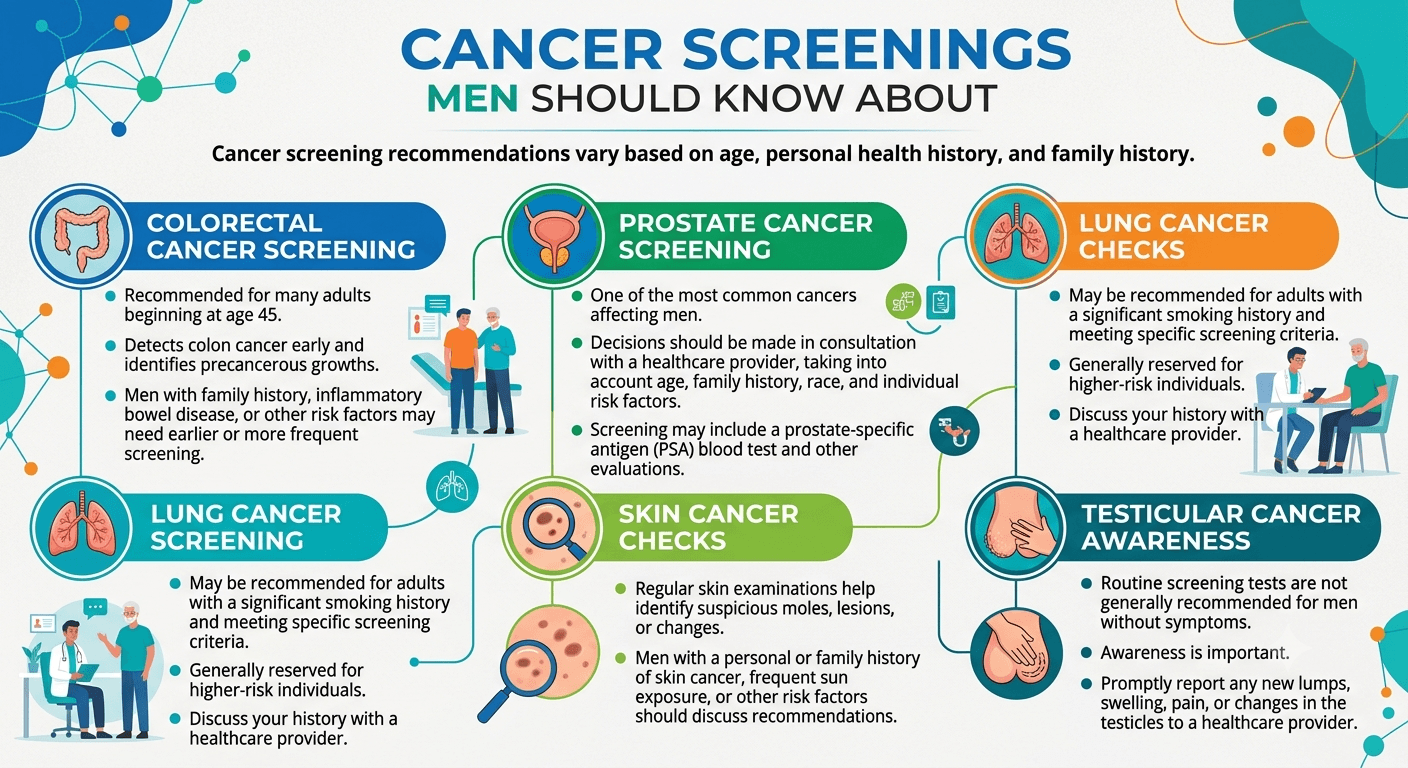
Cancer screening recommendations vary based on age, personal health history, and family history.
Colorectal Cancer Screening
Colorectal cancer screening is recommended for many adults beginning at age 45. Screening can help detect colon cancer during its early stages and may also identify precancerous growths before they develop into cancer.
Men with a family history of colorectal cancer, inflammatory bowel disease, or other risk factors may need earlier or more frequent screening.
Prostate Cancer Screening
Prostate cancer is one of the most common cancers affecting men. Decisions about prostate cancer screening should be made in consultation with a healthcare provider, taking into account age, family history, race, and individual risk factors.
Screening may include a prostate-specific antigen (PSA) blood test and other evaluations when appropriate.
Lung Cancer Screening
Lung cancer screening may be recommended for adults who have a significant smoking history and meet specific screening criteria.
Because screening is generally reserved for higher-risk individuals, discussing your history with a healthcare provider is important to determine whether testing is appropriate.
Skin Cancer Checks
Regular skin examinations can help identify suspicious moles, lesions, or other skin changes that may require further evaluation.
Men with a personal or family history of skin cancer, frequent sun exposure, or other risk factors should discuss screening recommendations with their provider.
Testicular Cancer Awareness
While routine screening tests for testicular cancer are not generally recommended for men without symptoms, awareness remains important.
Men should promptly report any new lumps, swelling, pain, or changes in the testicles to a healthcare provider.
How Screening Needs Change by Age
Health screening recommendations evolve throughout adulthood. While individual needs vary, the following chart provides a general overview of common screenings by age group.
| Age Group | Common Health Screenings |
|---|---|
| 18–39 | Blood pressure screening, STI testing, cholesterol screening, mental health screening, and annual health exams |
| 40–49 | Continued routine health screenings, diabetes screening, cardiovascular risk assessment, and discussion of prostate cancer risk factors |
| 50–64 | Colorectal cancer screening, blood pressure and cholesterol monitoring, preventive care visits, and age-appropriate cancer screenings |
| 65+ | Continued preventive care, cancer screenings as recommended, abdominal aortic aneurysm screening when appropriate, and ongoing chronic disease monitoring |
Because recommendations may differ based on personal medical history and risk factors, men should review screening needs regularly with a healthcare provider.
Signs It’s Time to Schedule a Health Screening
Even if you feel healthy, there are situations where scheduling a routine health screening may be especially important.
Consider making an appointment if you:
- Have a personal or family history of chronic disease
- Have not had a physical exam in several years
- Have experienced unexplained weight gain or other health changes
- Have lifestyle factors that increase your risk for certain conditions
- Are due for recommended screenings based on your age
Routine screenings are often most effective before symptoms appear.
Men experiencing persistent fatigue, reduced libido, or unexplained changes in muscle strength may also benefit from discussing possible low testosterone symptoms with a healthcare provider.
How +MEDRITE Supports Preventive Care
Preventive care is an important part of maintaining long-term health. At +MEDRITE, patients have access to routine wellness services, health screenings, and preventive care evaluations designed to support early detection and proactive health management.
Our providers can help assess risk factors, review medical history, perform routine screening services, and recommend appropriate follow-up care when needed. If additional testing or specialty care is required, referrals can be provided to help ensure continuity of care.
Walk-ins are welcome, and appointments are also available for added convenience.
Frequently Asked Questions
How often should men get a routine health screening?
Many adults benefit from annual wellness visits, but screening frequency varies depending on age, health status, and risk factors. Your healthcare provider can recommend a schedule that is appropriate for you.
What health screenings should men get in their 30s?
Common screenings may include blood pressure checks, cholesterol screening, STI testing when appropriate, mental health assessments, and routine preventive care visits.
At what age should men start colorectal cancer screening?
Many organizations, including the American Cancer Society, recommend that average-risk adults begin colorectal cancer screening at age 45. Individuals with additional risk factors may need earlier screening.
Do I need a health screening if I feel healthy?
Yes. Many health conditions develop without symptoms during the early stages. Routine screenings can help identify concerns before they become more serious and may support better long-term health outcomes.