

COVID-19 symptoms can vary from person to person, but many people want to know what to expect after becoming sick. While symptom progression varies based on factors such as age, overall health, vaccination status, and the specific variant involved, understanding a general day-by-day timeline of COVID-19 symptoms can help you monitor your condition and know when to seek medical care.
Most people experience mild symptoms and recover at home with self-care, but some individuals may develop severe illness that requires medical attention. Knowing the common signs and stages of COVID-19 can help you stay informed and make appropriate decisions about testing, treatment, and recovery.
Days 1–3: Early Symptoms Begin
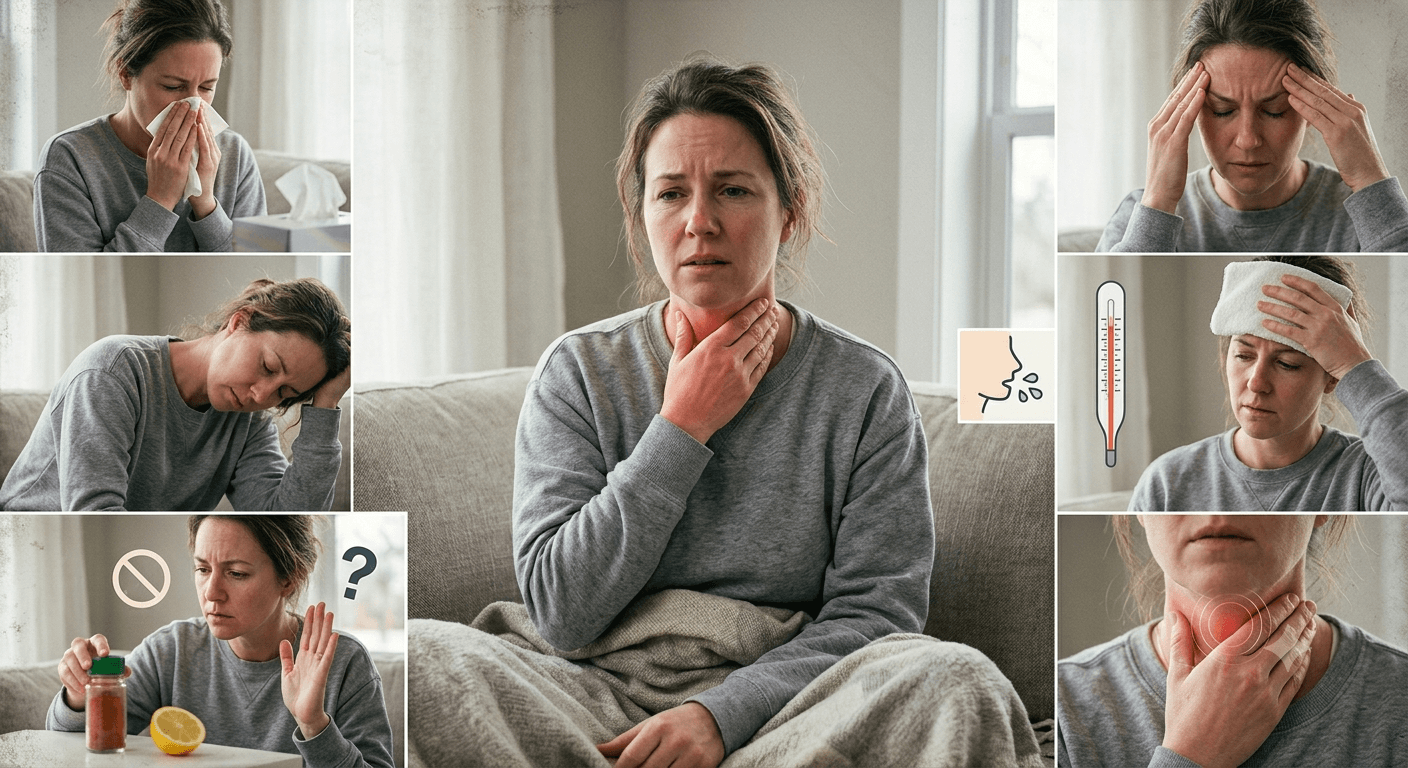
During the first few days of illness, many people experience mild symptoms that can resemble a cold, flu, or other respiratory infection.
Common Early Symptoms
- Sore throat
- Runny nose
- Fatigue
- Headache
- Low-grade fever
- Mild cough
- Congestion
- Loss of taste or smell (less common but still possible)
Some individuals may notice symptoms begin gradually, while others experience a quicker onset.
Self-Care Tips
- Get plenty of rest
- Drink water and stay hydrated
- Monitor your temperature and symptoms
- Consider COVID testing if symptoms develop after a known exposure
- Avoid contact with others if you suspect you may be contagious
Days 4–7: Symptoms May Become More Noticeable
During this phase, some people notice symptoms becoming more pronounced, while others may begin to feel better. The severity of symptoms can vary significantly from person to person.
Common Symptoms During This Phase
- Persistent cough
- Fever
- Increased fatigue
- Headache
- Body aches
- Congestion
- Runny nose
- Nausea or gastrointestinal symptoms in some individuals
Many people continue to recover at home with rest, hydration, and supportive care. However, it’s important to monitor symptoms closely, especially if you have underlying health conditions or risk factors for severe illness.
Self-Care Tips
- Continue monitoring symptoms
- Stay hydrated
- Rest as needed
- Follow healthcare provider recommendations
- Seek testing if you have not yet confirmed the infection
Days 8–14: Continued Monitoring and Recovery
Most people with mild illness begin to improve during this phase. However, some individuals may experience symptoms that persist or worsen.
Symptoms That May Continue
- Fatigue
- Cough
- Congestion
- Headache
- Reduced energy levels
- Changes in taste or smell
While many people notice gradual improvement, those at higher risk of complications should continue to monitor their condition closely.
When Symptoms May Worsen
Seek medical evaluation if you develop:
- Difficulty breathing
- Persistent chest pain or pressure
- New confusion
- Inability to stay awake
- Bluish lips or skin
- Symptoms that worsen rapidly
Prompt medical attention can help ensure appropriate treatment and support.
Days 15–21: Recovery and Return to Activities
For many individuals, symptoms continue to improve during this stage of recovery.
What Recovery May Look Like
- Fever has resolved
- Cough becomes less frequent
- Energy levels gradually improve
- Normal daily activities become easier
However, recovery timelines vary. Some people feel well within a couple of weeks, while others may experience lingering fatigue or other prolonged symptoms.
Returning to Normal Activities
As symptoms improve:
- Gradually resume physical activity
- Listen to your body and avoid overexertion
- Continue getting adequate rest
- Stay hydrated
- Consult a healthcare provider if symptoms return or worsen
Long COVID and Prolonged Symptoms
While most people recover completely, some continue to experience symptoms for weeks or months after the initial infection.
Often referred to as Long COVID, these prolonged symptoms may include:
- Fatigue
- Shortness of breath
- Brain fog
- Sleep disturbances
- Headaches
- Changes in taste or smell
- Difficulty concentrating
Anyone experiencing ongoing symptoms should discuss their condition with a healthcare provider, particularly if symptoms interfere with daily activities or quality of life.
When to Seek Medical Care
Most COVID-19 cases can be managed at home, but some symptoms require prompt evaluation.
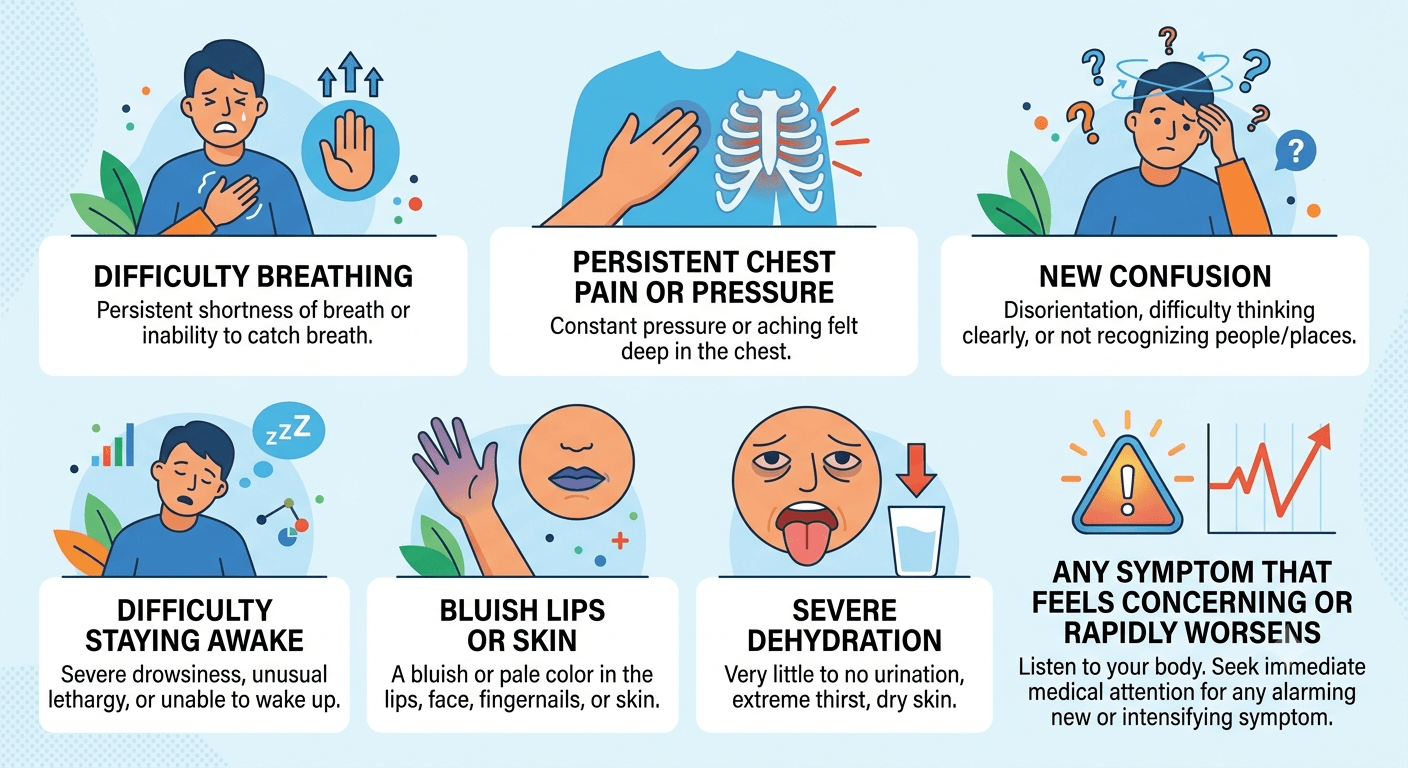
Seek immediate medical attention if you experience:
- Difficulty breathing
- Persistent chest pain or pressure
- New confusion
- Difficulty staying awake
- Bluish lips or skin
- Severe dehydration
- Any symptom that feels concerning or rapidly worsens
Individuals at increased risk for severe illness, including older adults and those with certain chronic health conditions, should contact a healthcare provider early if symptoms develop. People at higher risk for severe illness may also benefit from antiviral treatment if started early. The NIH COVID-19 Treatment Guidelines provide evidence-based recommendations for treatment options.
Frequently Asked Questions
Can COVID Symptoms Vary by Variant?
Yes. Different COVID-19 variants may cause slightly different symptom patterns. Some newer variants are more commonly associated with sore throat, congestion, and runny nose, while earlier variants were more frequently linked to loss of taste and smell.
How Long Am I Contagious?
People with COVID-19 are generally most contagious during the early stages of illness, particularly around the time symptoms begin. Follow current public health guidance and consult a healthcare provider if you have questions about isolation or returning to normal activities.
How Does COVID Compare to the Flu?
COVID-19 and the flu share many symptoms, including fever, cough, fatigue, and body aches. However, COVID-19 symptoms can vary widely and may lead to prolonged symptoms or complications in some individuals. Learn more about bronchitis vs. RSV symptoms.
When Should I Get Tested?
Testing may be appropriate if you develop symptoms consistent with COVID-19, have been exposed to someone who is infected, or need confirmation before returning to work, travel, or other activities.
Understanding COVID Symptoms and Recovery
COVID-19 symptoms can range from mild to severe, and no two people experience the illness exactly the same way. Understanding a general timeline of COVID symptoms day by day can help you recognize common signs, monitor your recovery, and know when to seek medical care.
If you develop concerning symptoms, test positive for COVID-19, or have questions about treatment options, a professional medical evaluation can help ensure you receive appropriate care.
Walk-ins and appointments are available at +MEDRITE for COVID testing, symptom evaluation, and treatment guidance.